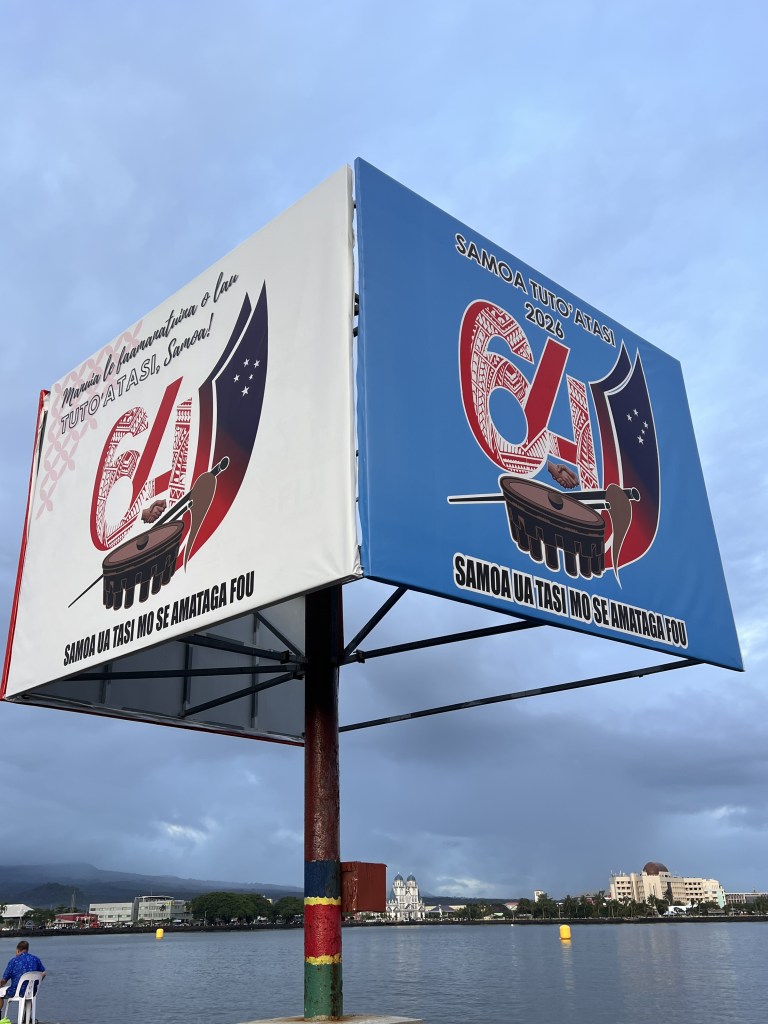
Samoa celebrated it’s 64th Independence Day on 1 June 2026. It was a fun-filled, very busy day for many people including all of us who are volunteers. Independence Day is a big deal for Samoans. They had a long road to Independence and Samoans are proud that they were the first country in the Pacific to achieve it.
Samoa became a colony of the German Empire in 1899 after the Tripartite Convention and was known as German Samoa. There are still many Samoans with German names and bakeries feature German buns and specialities. German administration ended in August 1914 after New Zealand troops bloodlessly occupied the colony at the start of World War I. New Zealand officially gained control of the region as a League of Nations mandate in 1920, when it became the Territory of Western Samoa. After being converted into a United Nations Trust Territory in 1946, Western Samoa gained independence on 1 January 1962 and officially returned to its original pre-occupation name of Samoa on 4 July 1997. Although they officially became independent on 1 January, they celebrate in June because it’s usually better weather.
The day began early – I had to be up at 4am to get to town by 4.30am. The volunteers had been invited by the Australian High Commission to walk in the Independence Day March Parade as part of their delegation. The March began in Mulinu’u, in front of the new Fono or Parliament building and we had been told to gather there at 5am. It’s about 2kms from my office in town to the Fono. Luckily the car park at work was open that early and I was one of the few people who were able to get a spot. As I walked out of the car park toward the Fono, it seemed everyone in Samoa was on the road and walking in the same direction. I kept running into people I knew who were representing various government Ministries or non-governmental organisations. The road was packed!
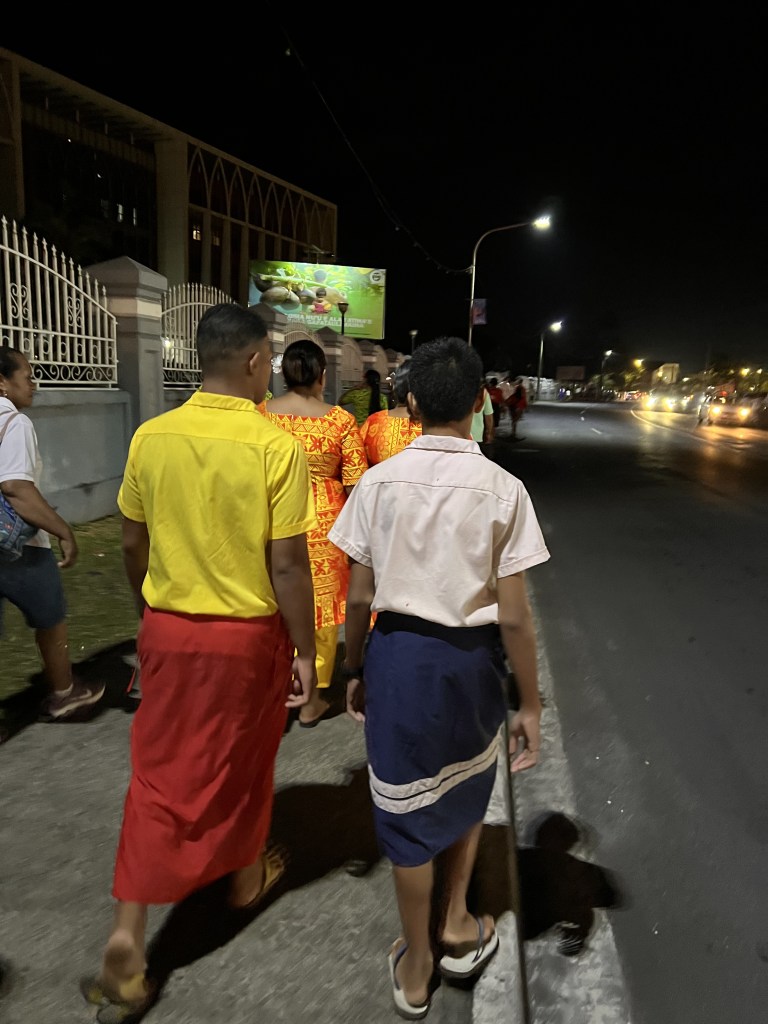
I met up with my friend James who works at the High Commission and just as we were staring to walk together he received a phone call telling him that there was one parking space left at the Fono for a diplomatic car. So we jumped in his car and drove slowly down to the Fono. Since he was driving, I was able to take a bit of video to show just how many people were out at that time in the morning!
When we reached the parade field in front of the Fono I found the rest of the High Commission staff and volunteers. Then it was a case of hurry up and wait, while everyone arrived. The dignitaries including the Samoan Prime Minister, the Lieutenant Governor, the President of the Senate and the Speaker of the House of Representatives of American Samoa, the Head of Tokelau, the Speaker of the Parliament of Fiji, the New Zealand Minister of Foreign Affairs, the Prime Minister of Tonga, the Governor-General of Australia and the Head of State of Samoa all arrived one by one and were seated in stands on the opposite side of the parade grounds under the full moon.
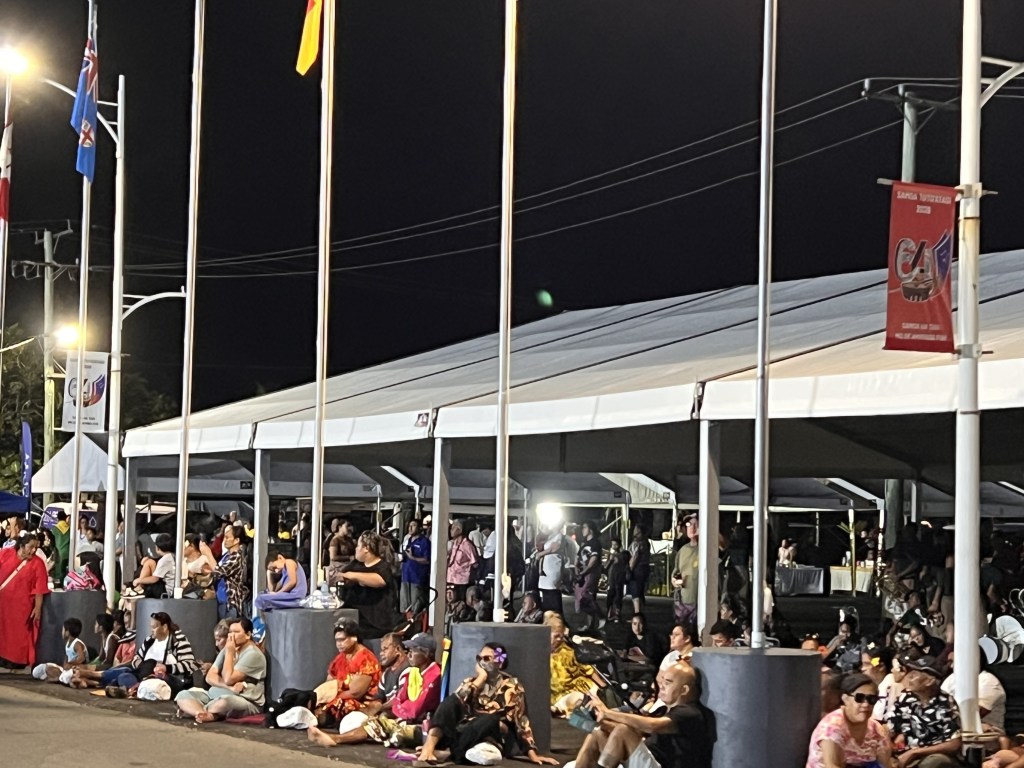
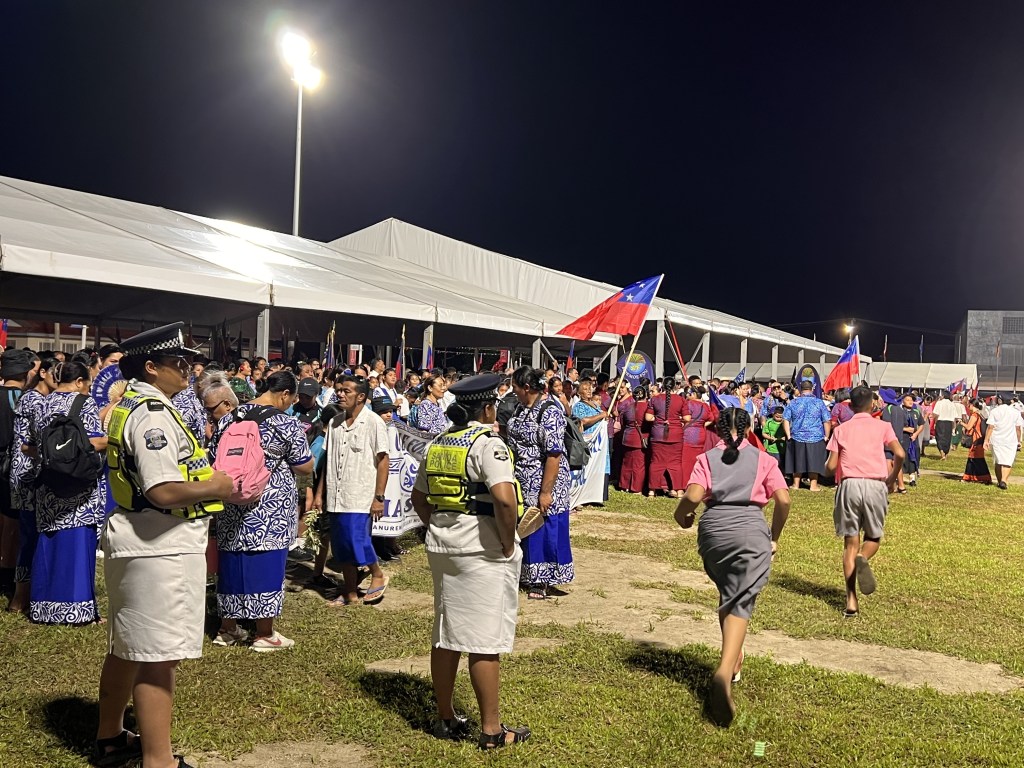
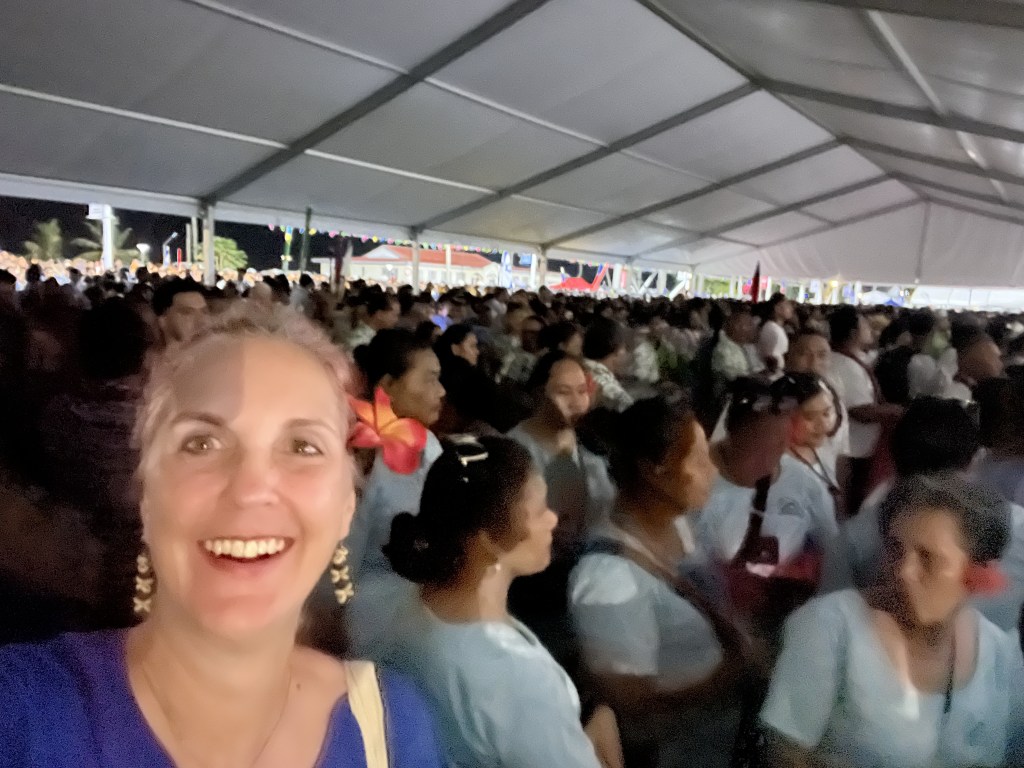
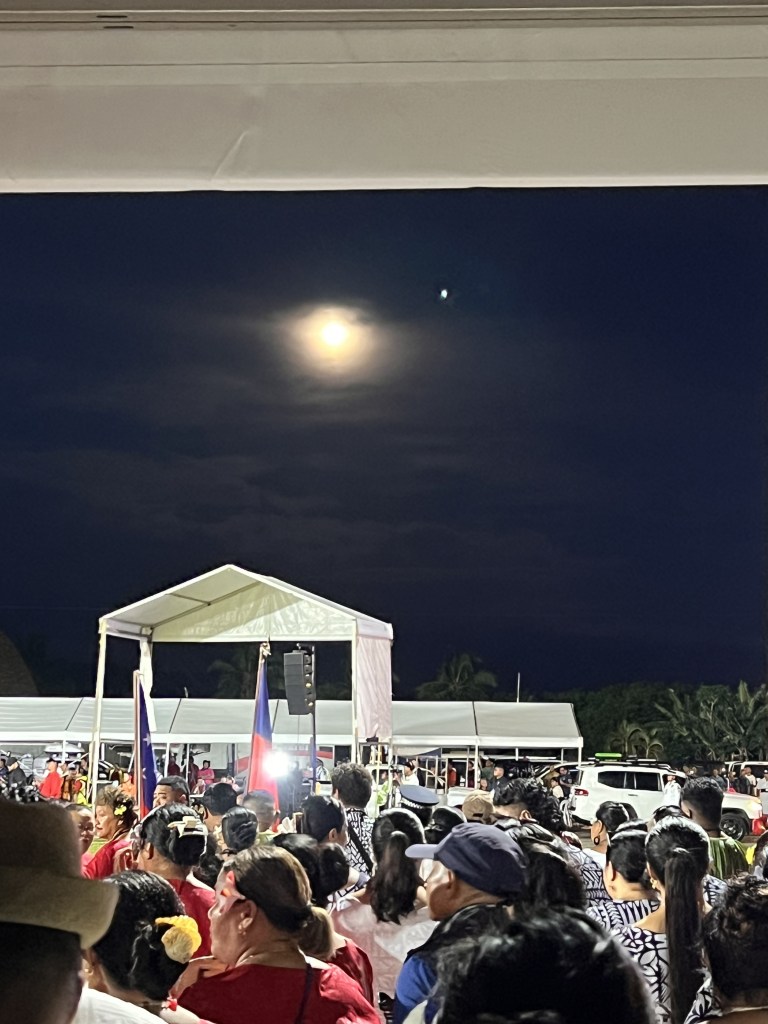
At 6.30am the national flag of Samoa was raised and then the March began. It took ages for all of the groups to parade past the dignitaries. Pretty much every school child in the country was there, as well as offices and organisations. Our turn finally came around just before 8.30am.
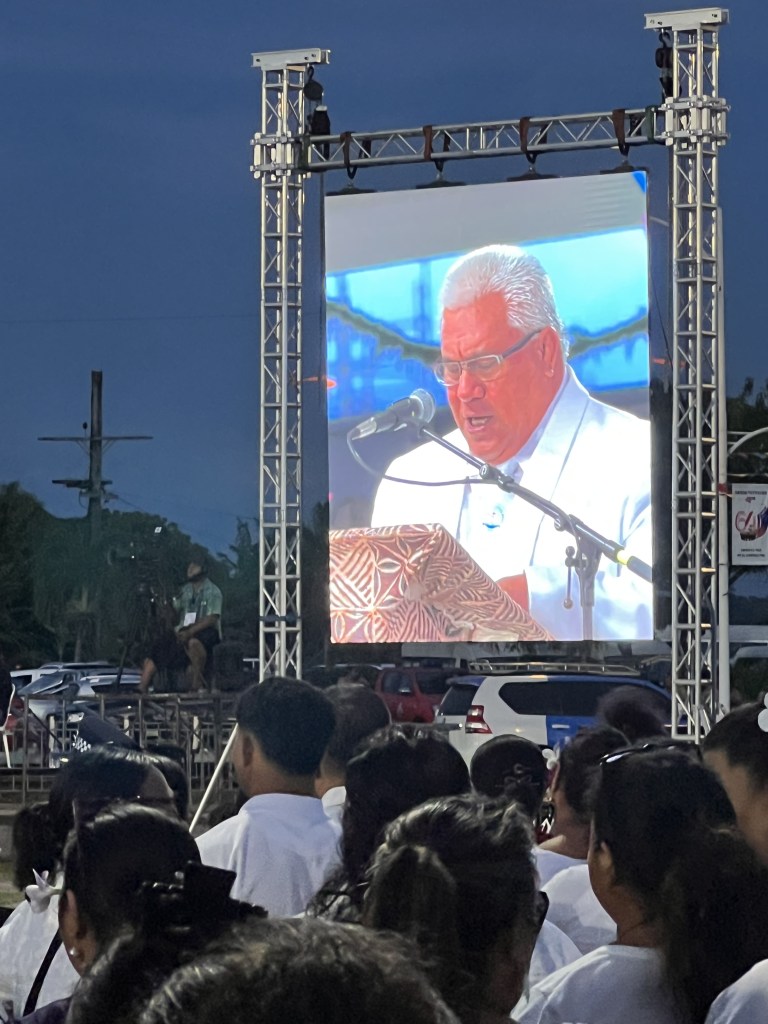
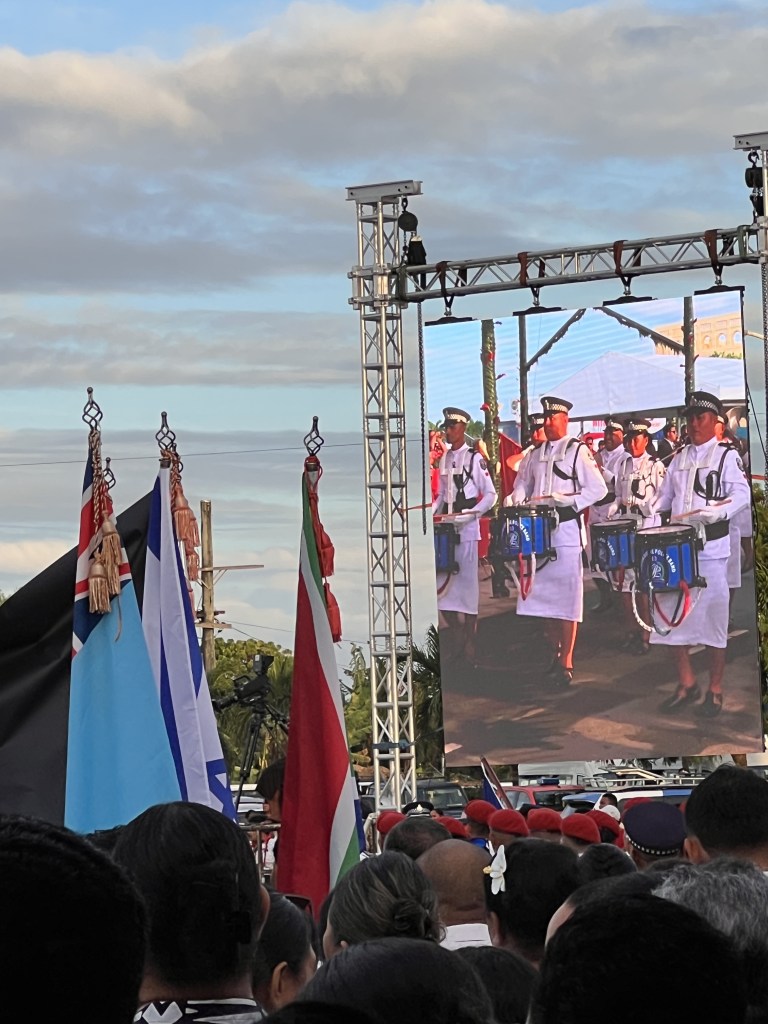
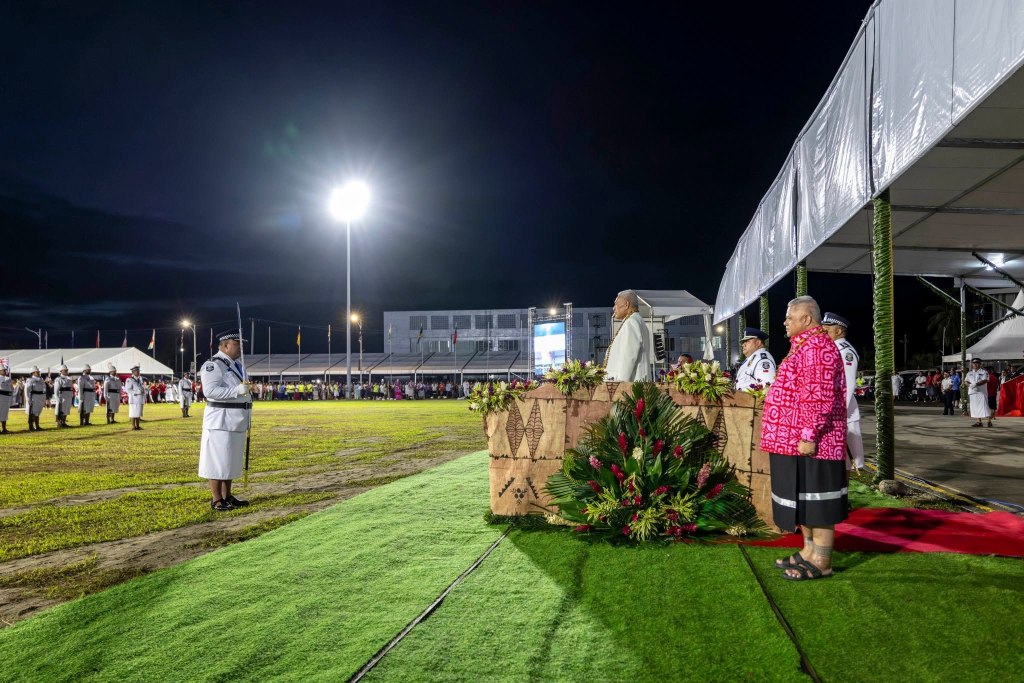
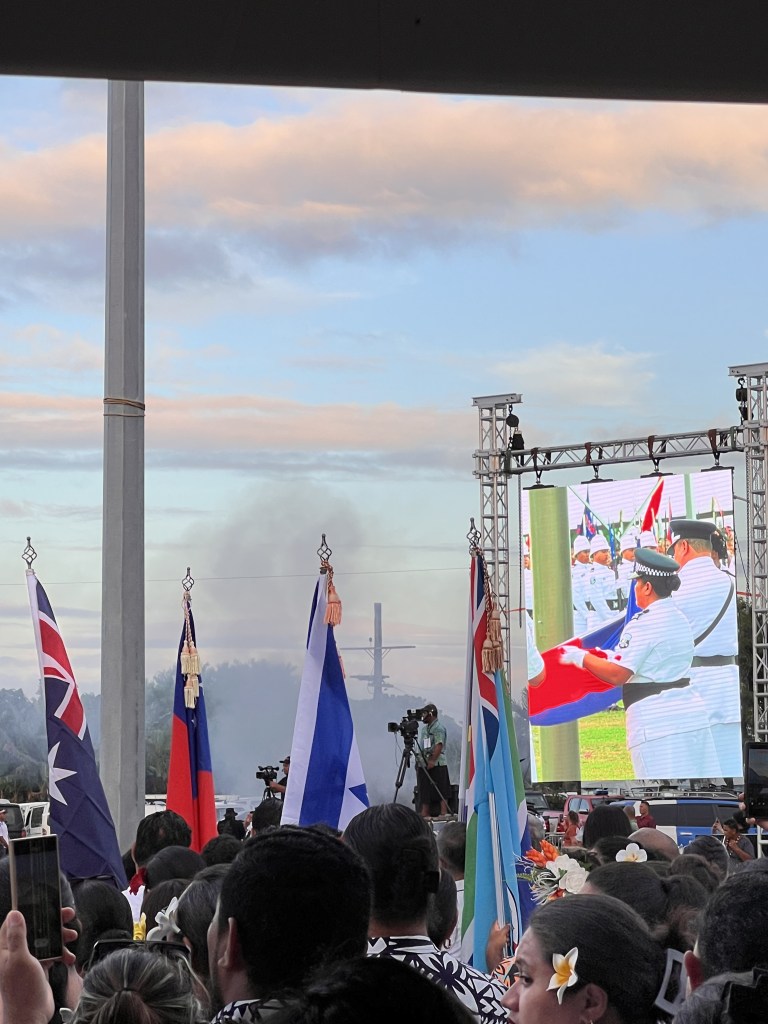
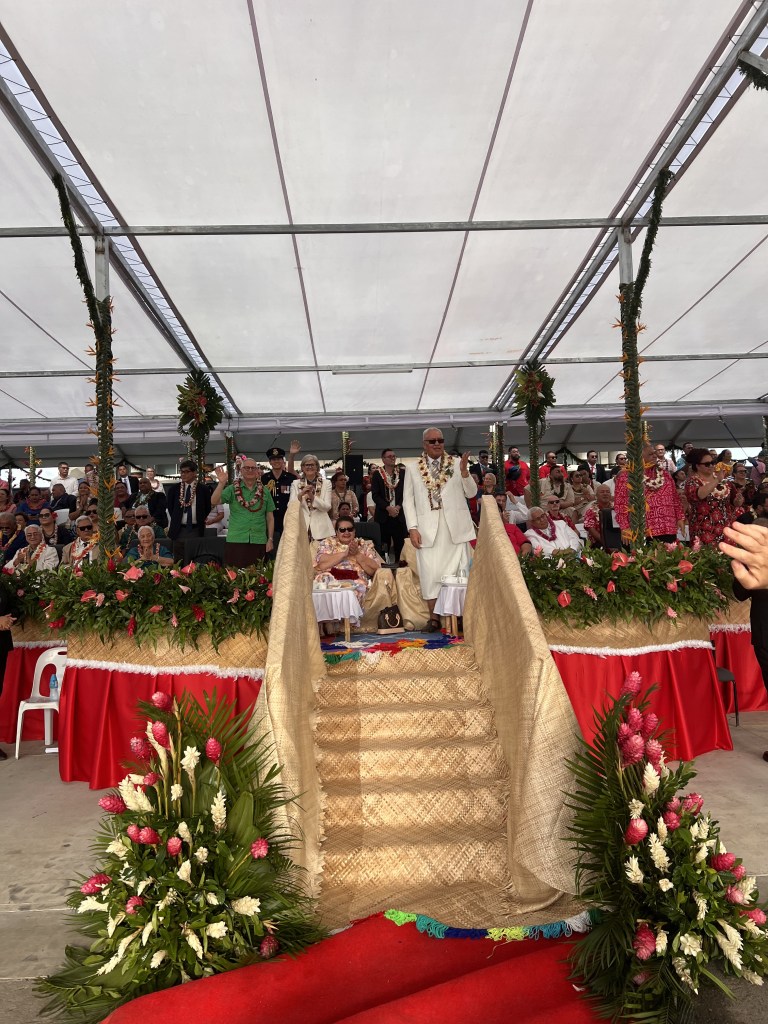
After all the waiting, the actual parade past was over in just a few short minutes. We waved to the dignitaries and members of the Cabinet and many waved back. The Australian Governor-General and her husband waved enthusiastically to us.
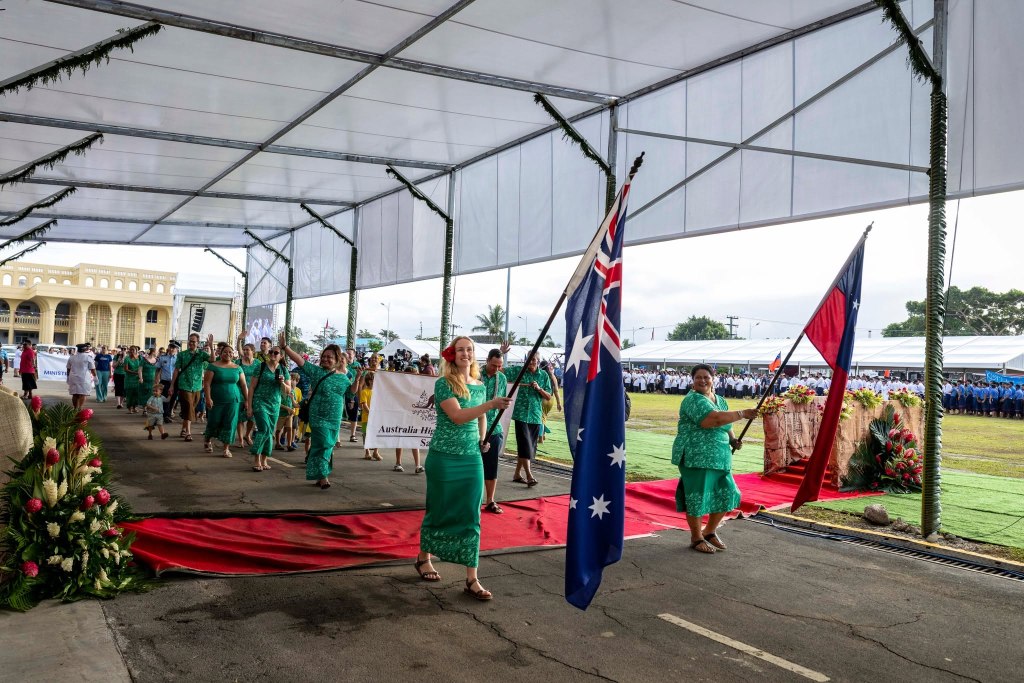
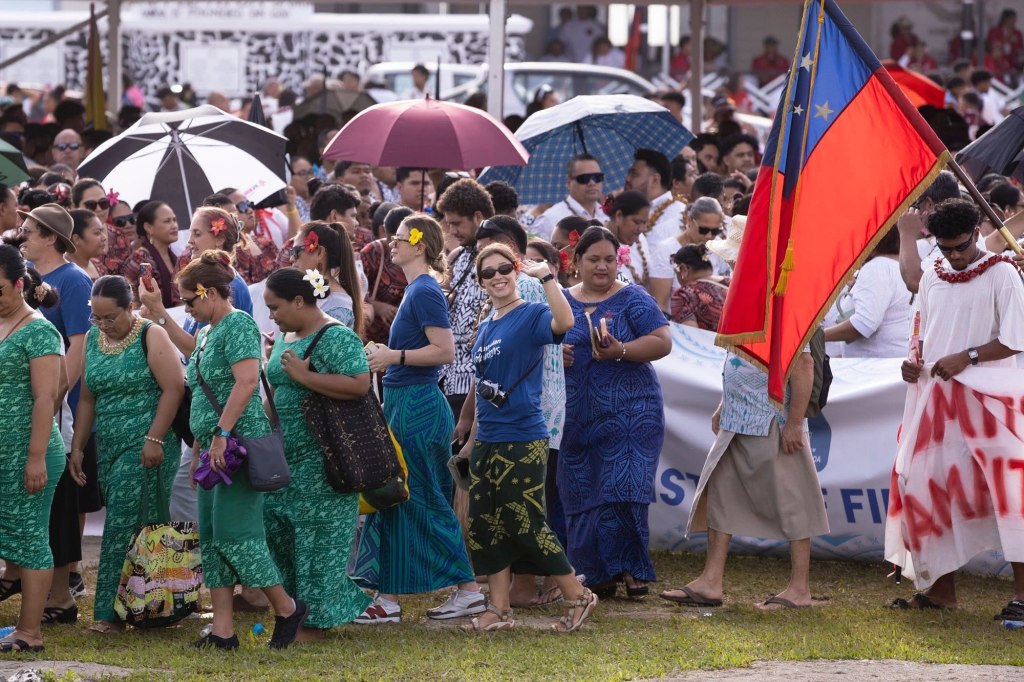
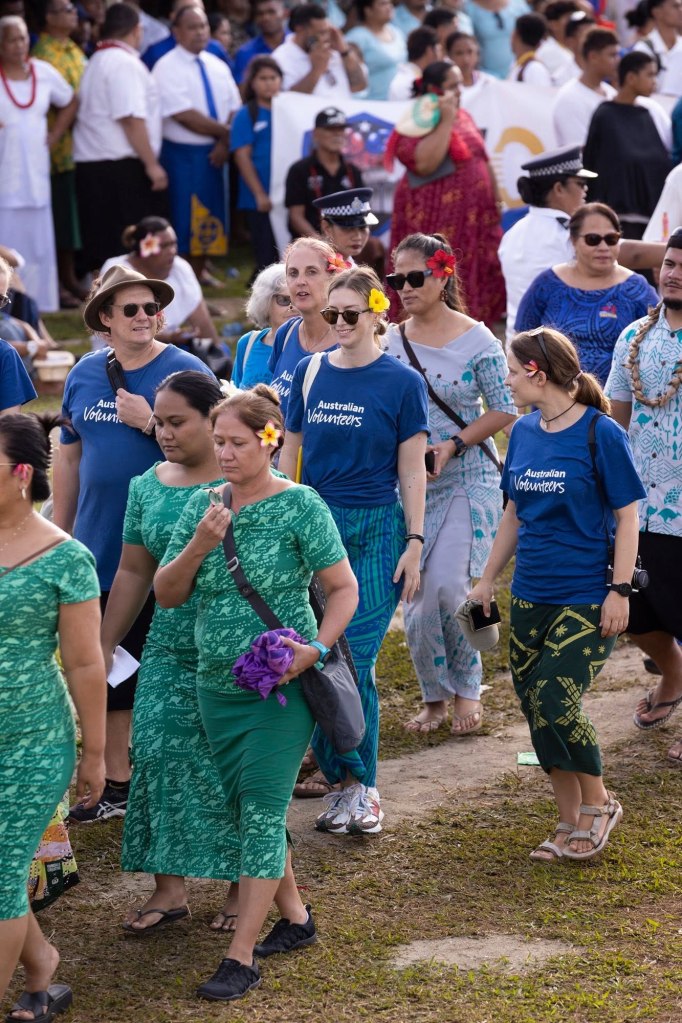
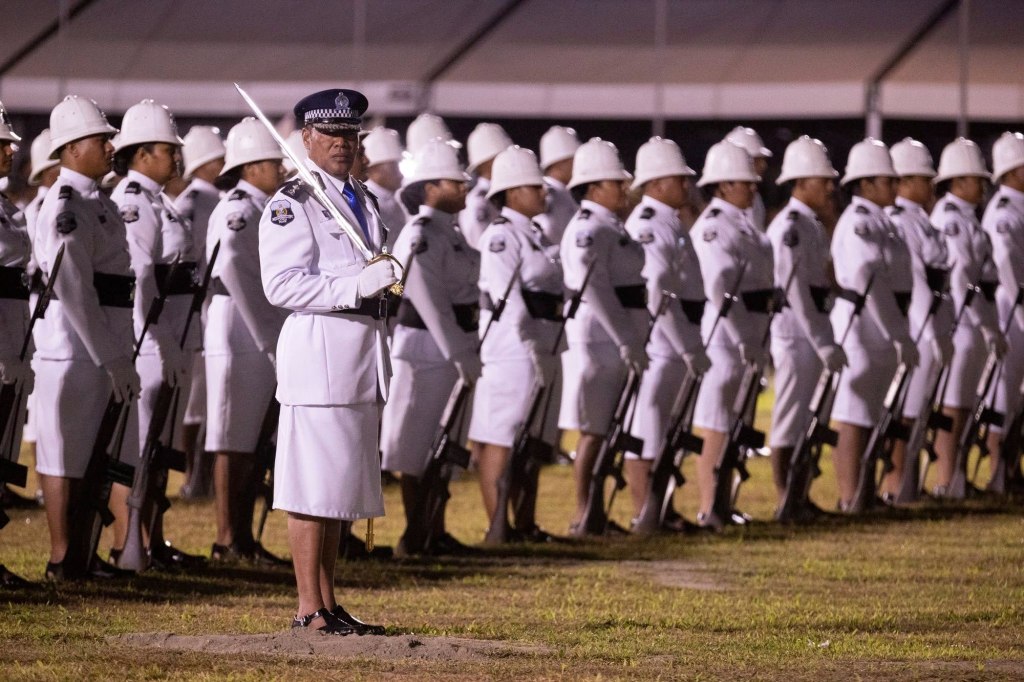
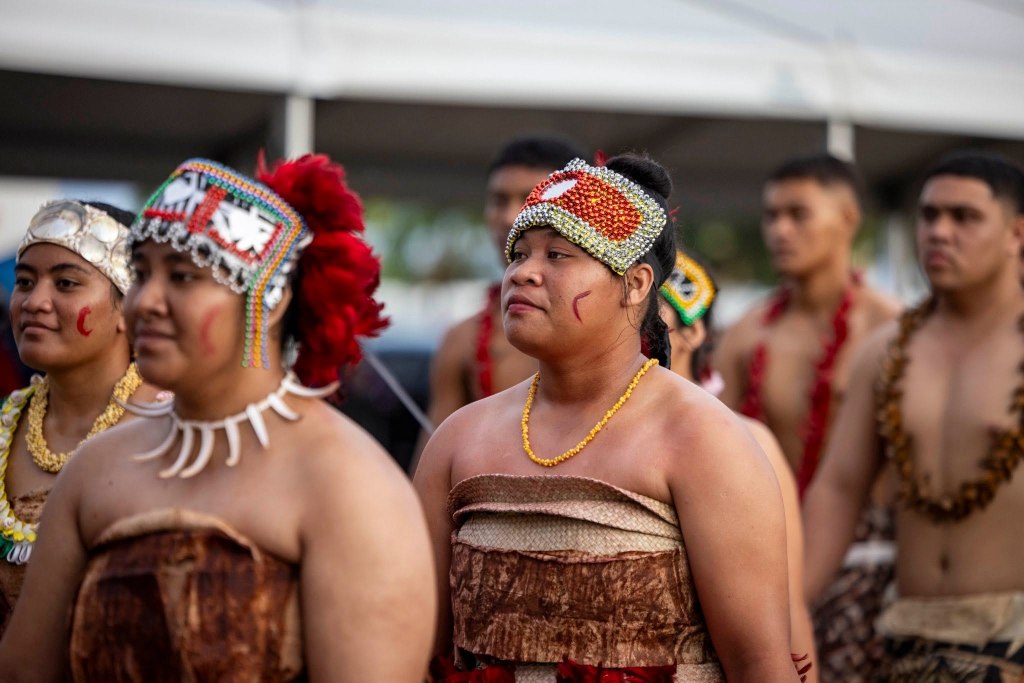
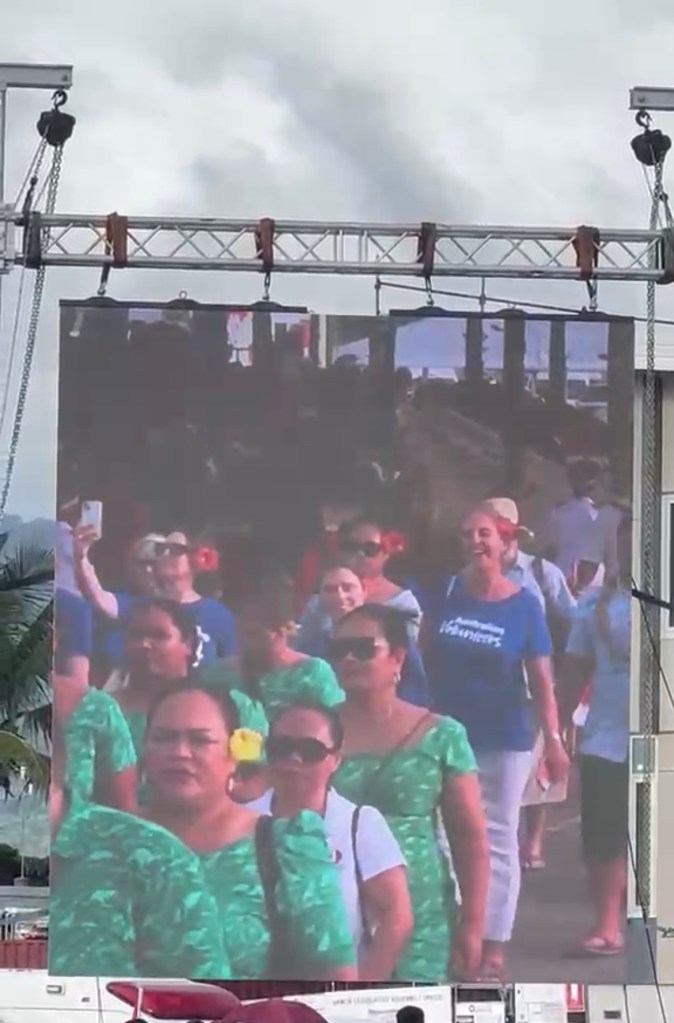
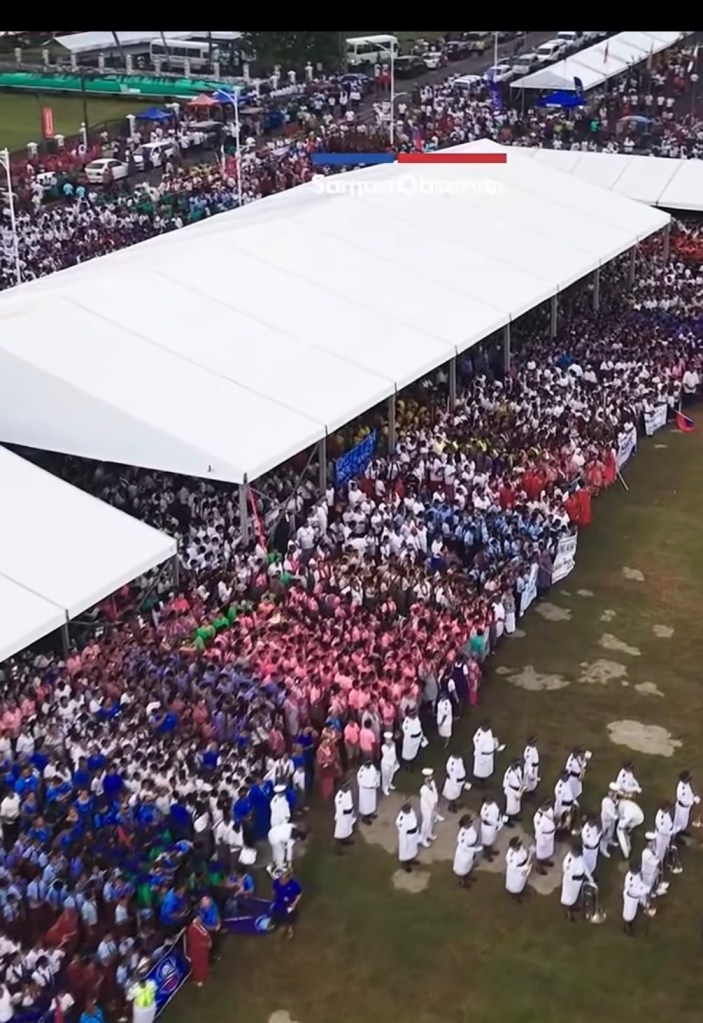
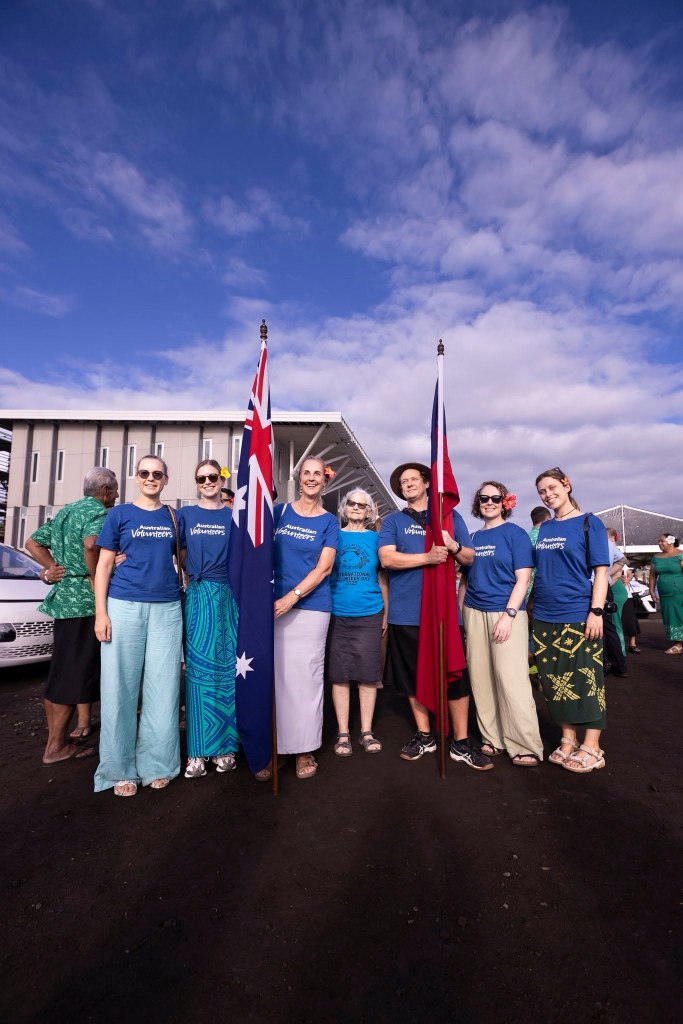
Then we all walked back the peninsula to town, free until the afternoon.
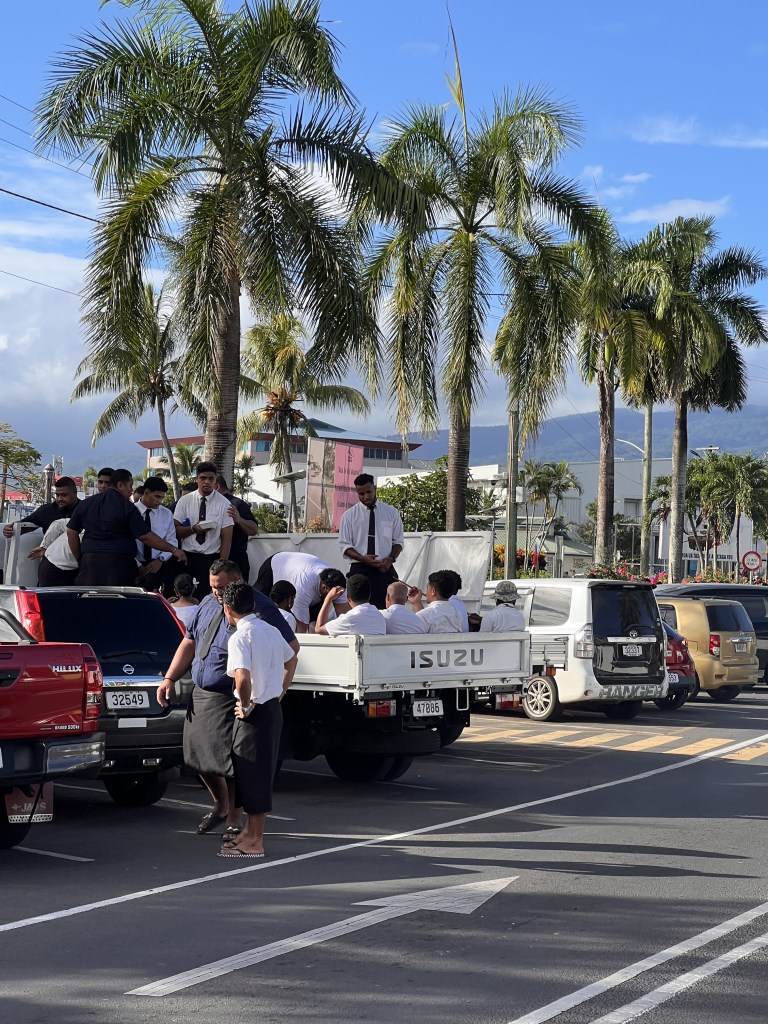
I went home and had a big brunch and a sleep.
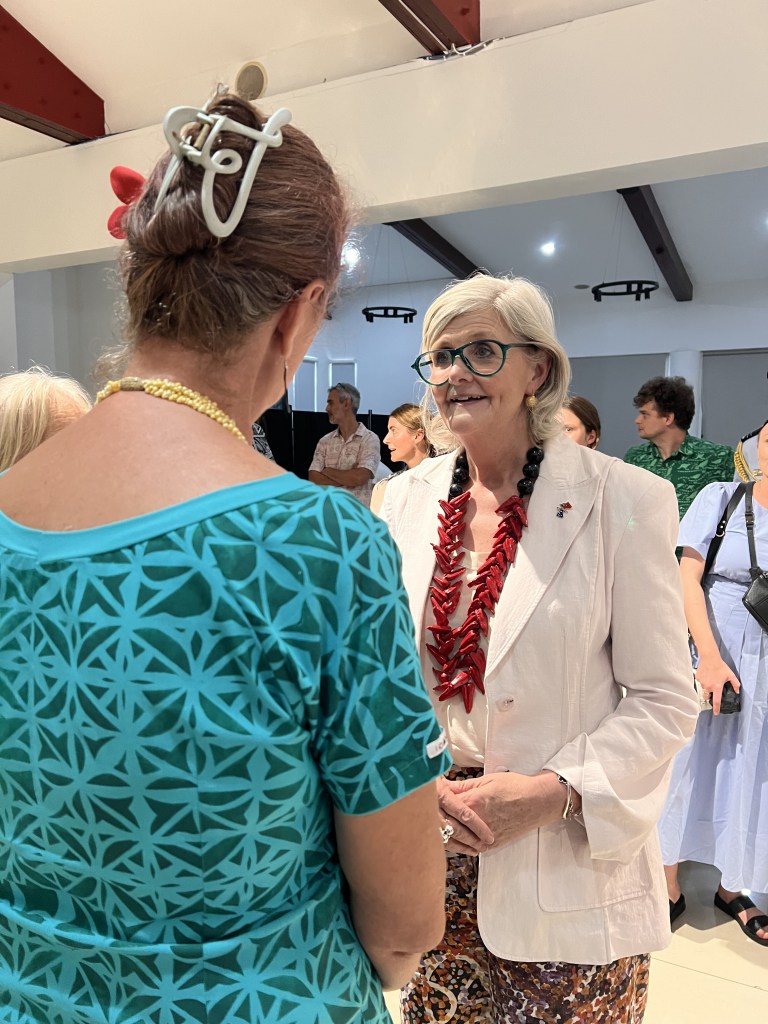
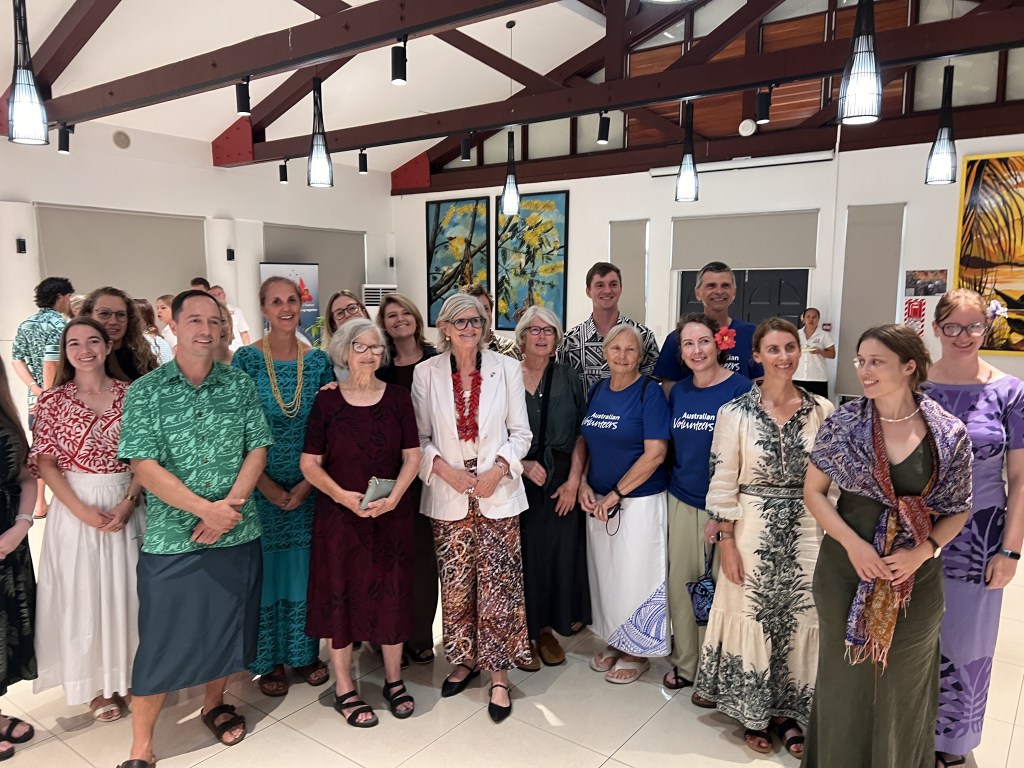
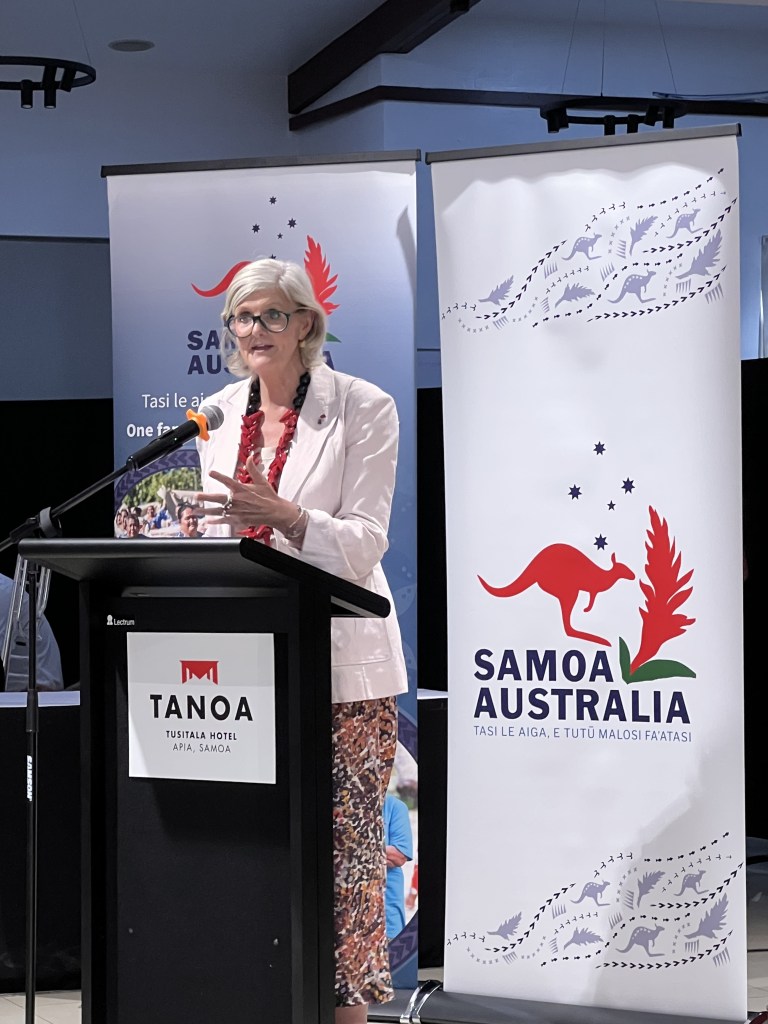
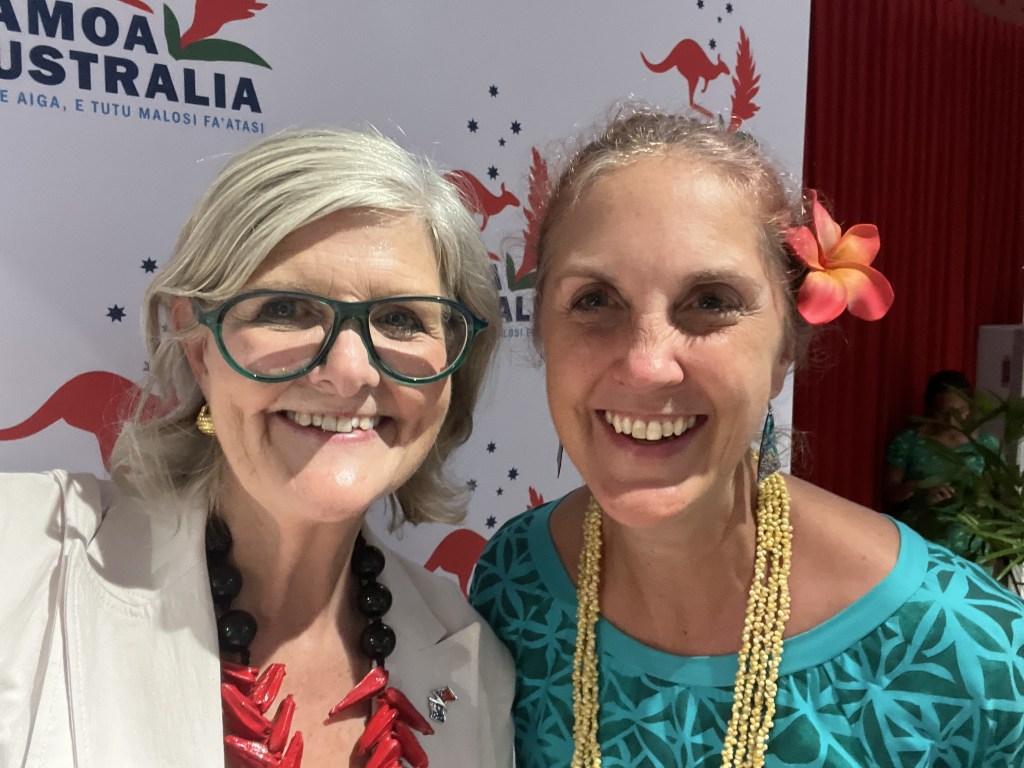
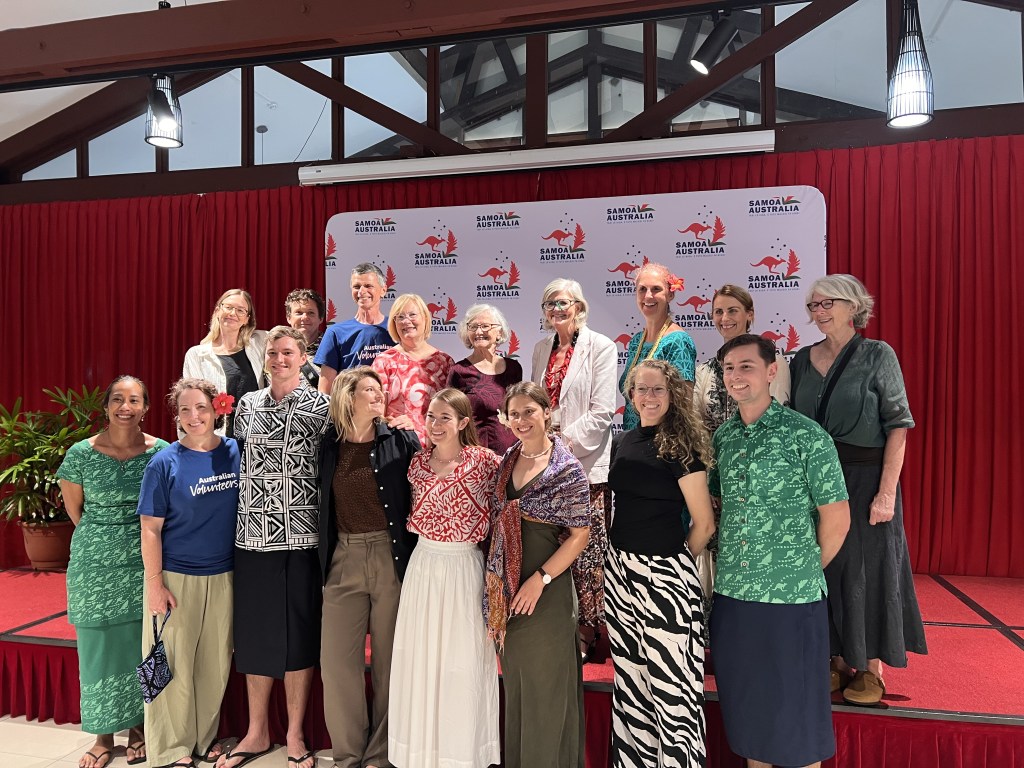
My daughter and I were invited to a formal reception with the Australian Governor-General who is also the patron of the volunteer program. The reception began at 2.30pm and was a lovely chance for the Governor-General to meet many of the volunteers and hear about our projects.
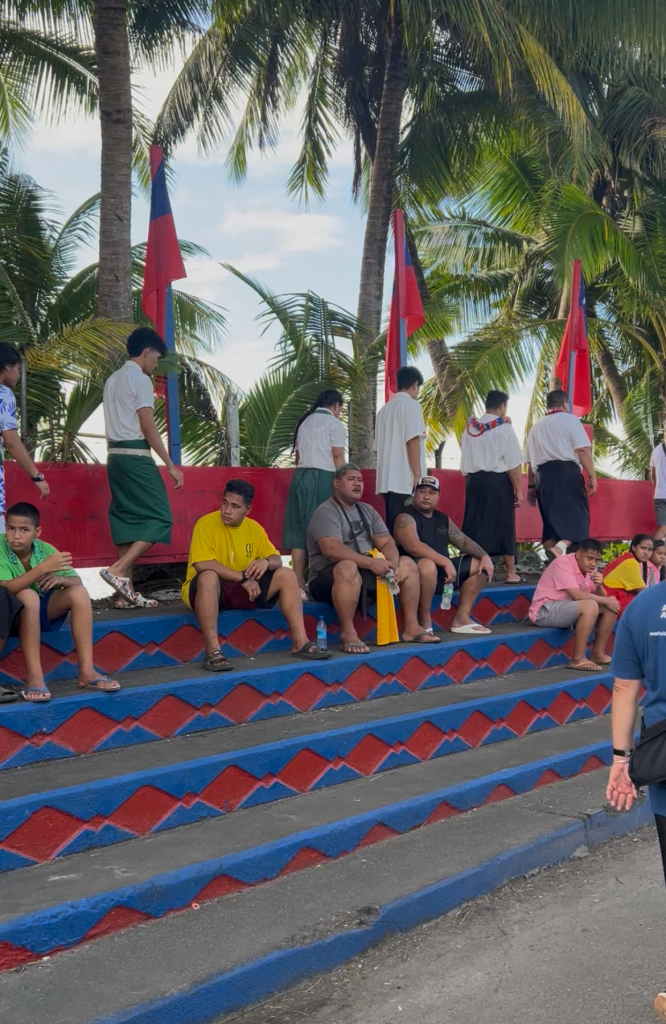
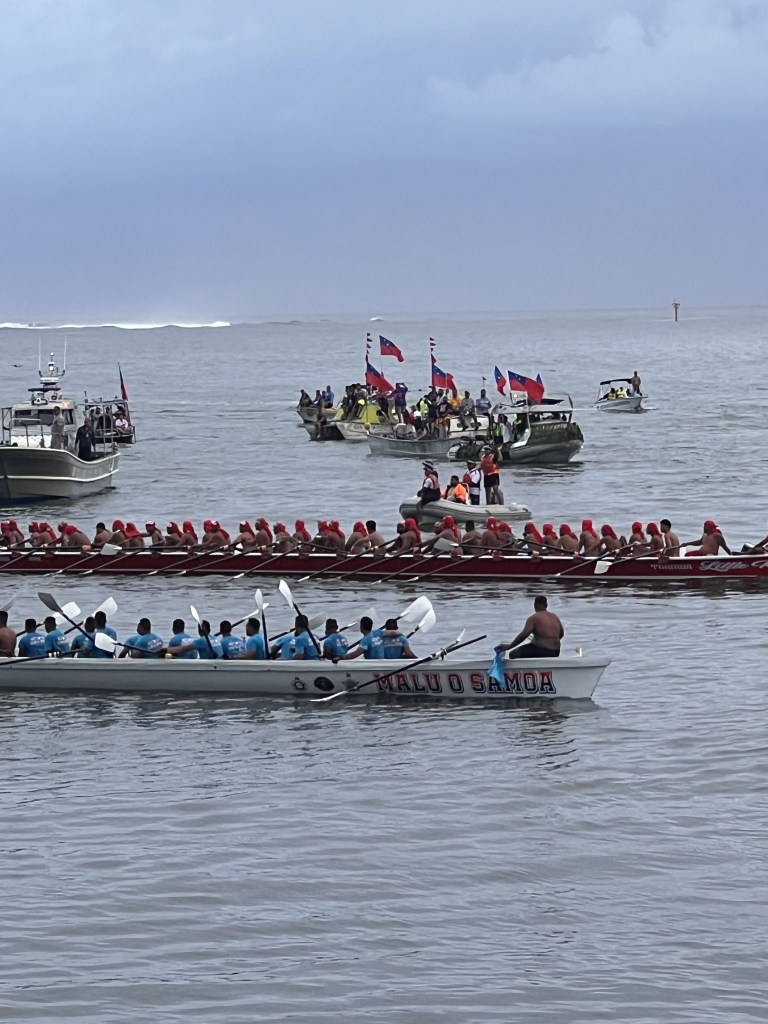
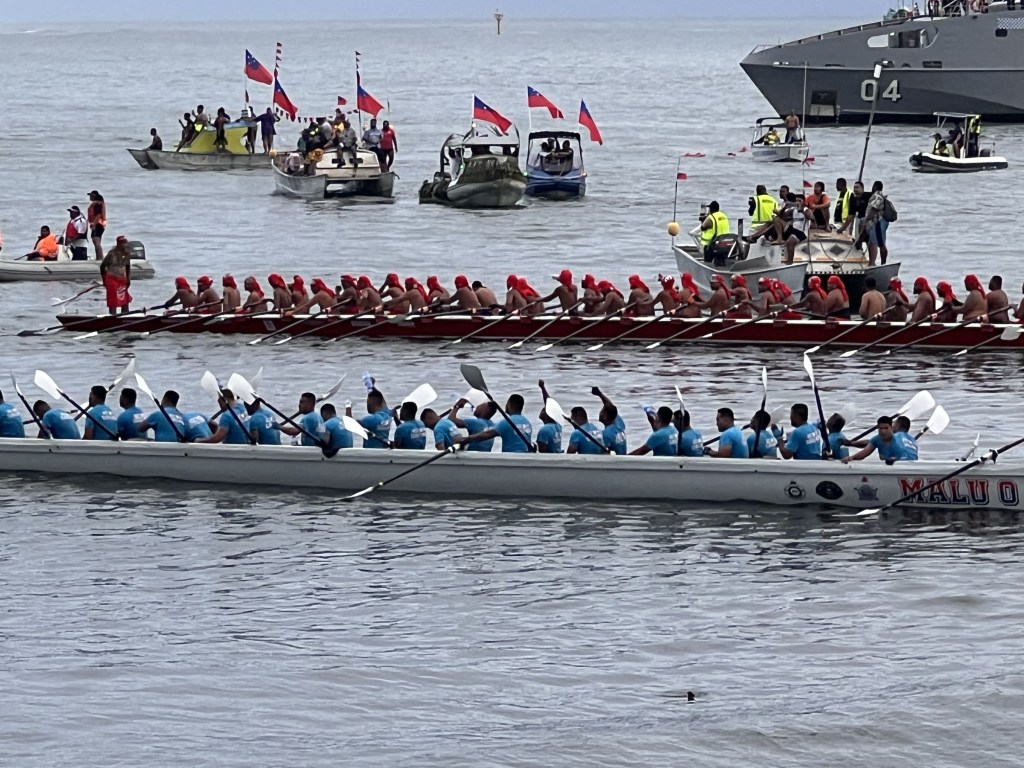
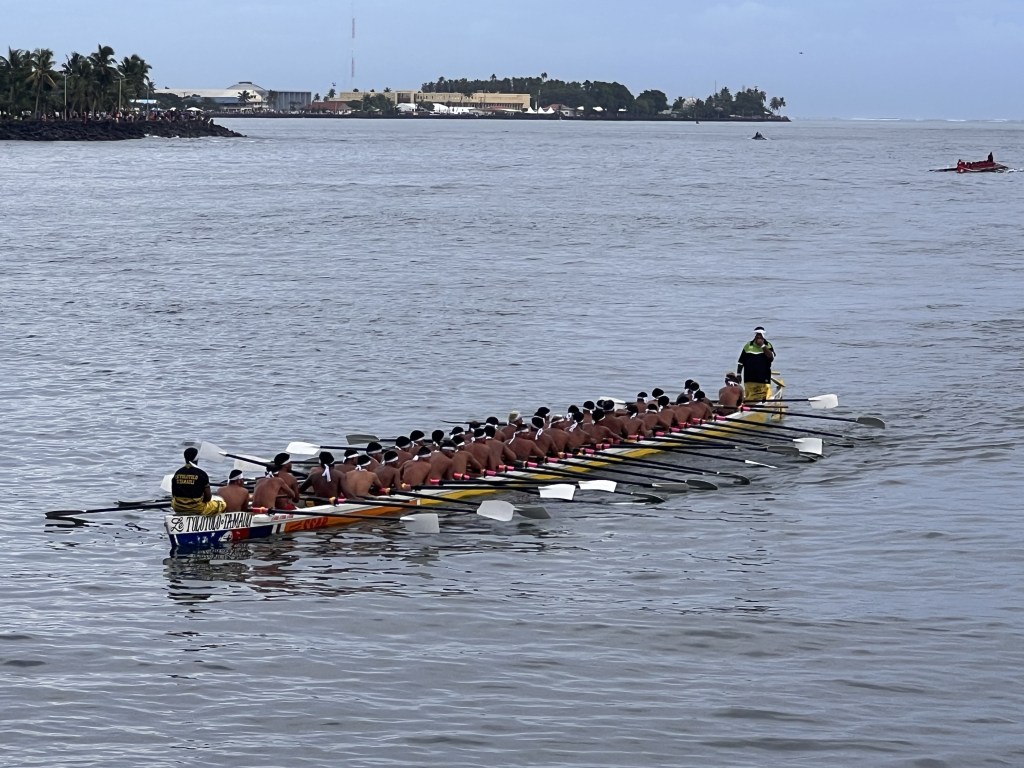
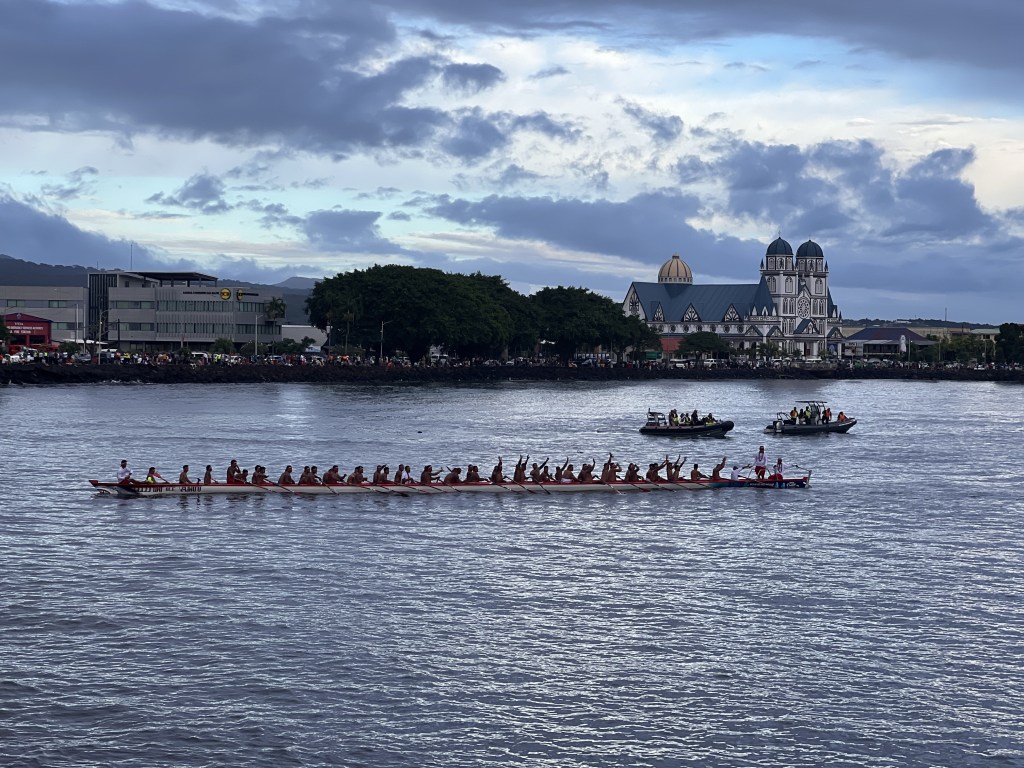
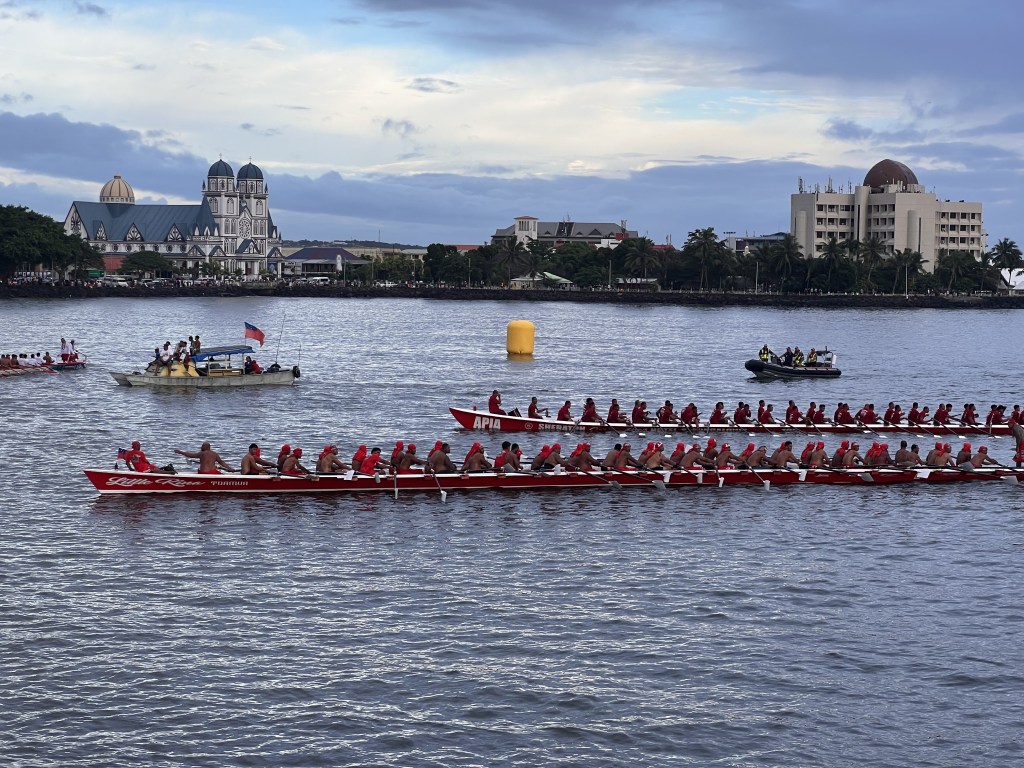
After the reception, we walked over to the seawall and waited to cheer on the traditional Samoan longboats or fautasi. The boats are around 30m (100ft) long and have a rowing crew of 50. The coxswain uses a drum to beat a tempo to coordinate rowing. Fautasi means ‘to build as one’, which is reflected in the structure of the boat, built from one hollowed out tree. Modern day fautasi are made of fibreglass.
Prior to the modern-day ferries, fautasi were the main mode of transport between the main islands of Samoa. Today, they are used in racing events and this year’s races featured 5 teams. The course was more than 10kms long from the village of Faleula to the finish line in Apia harbour. There were two races, one on Monday where traditional straight paddles were used and then the same course was run on Wednesday, the 3rd, with new Olympic paddles.
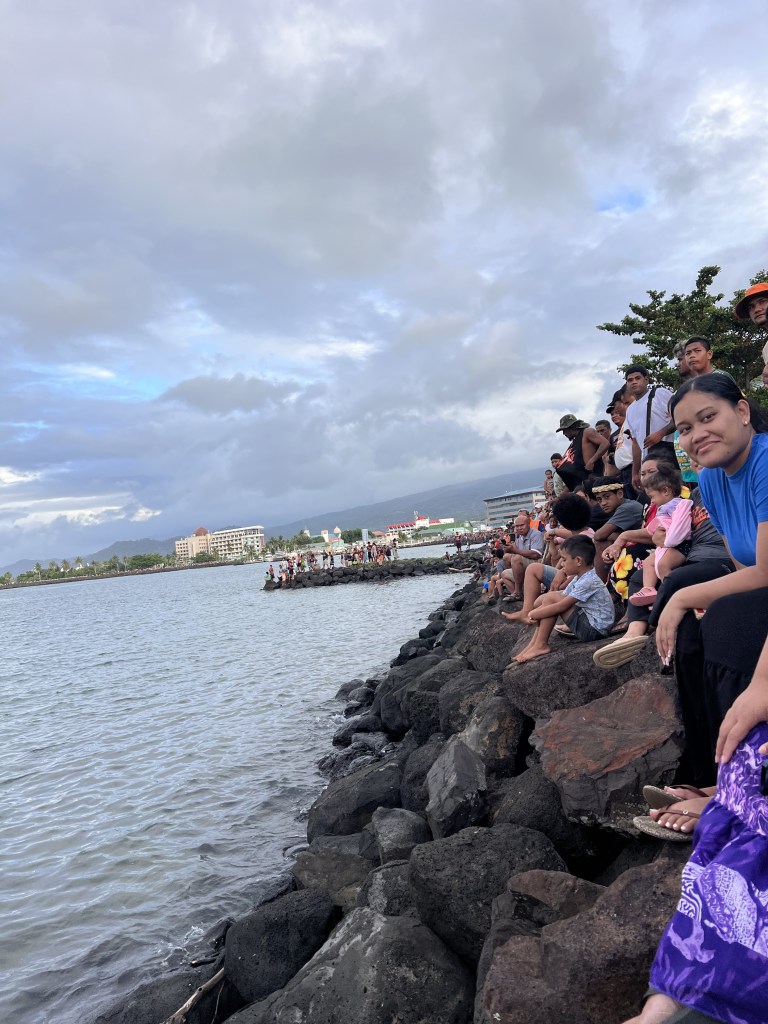
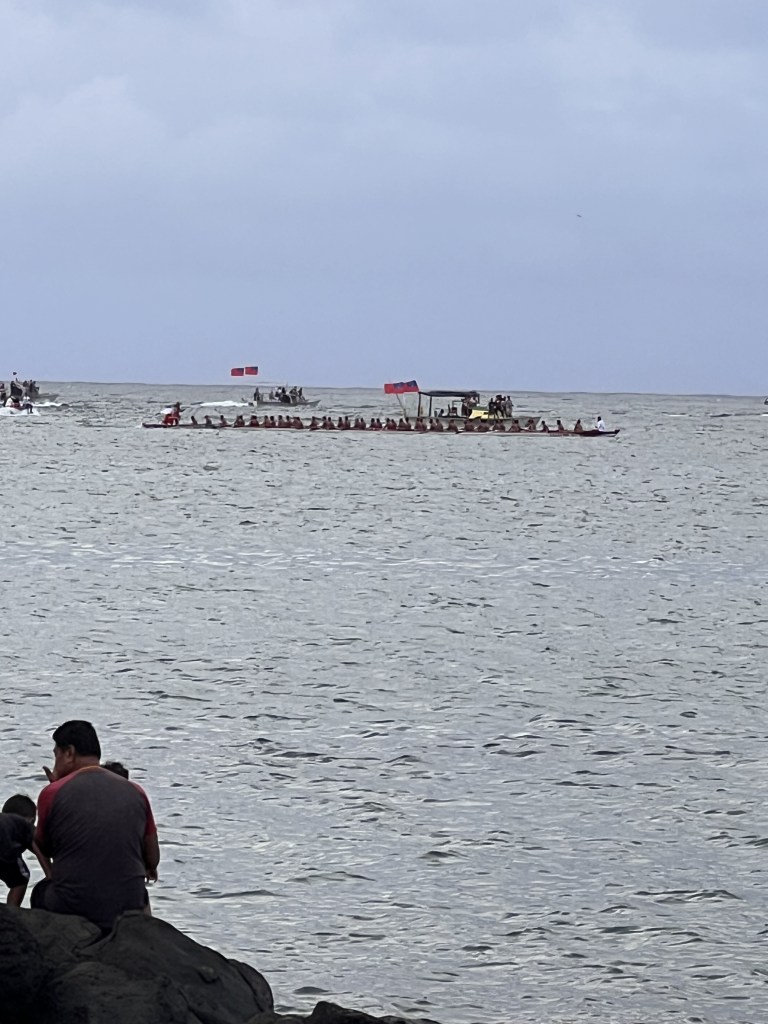
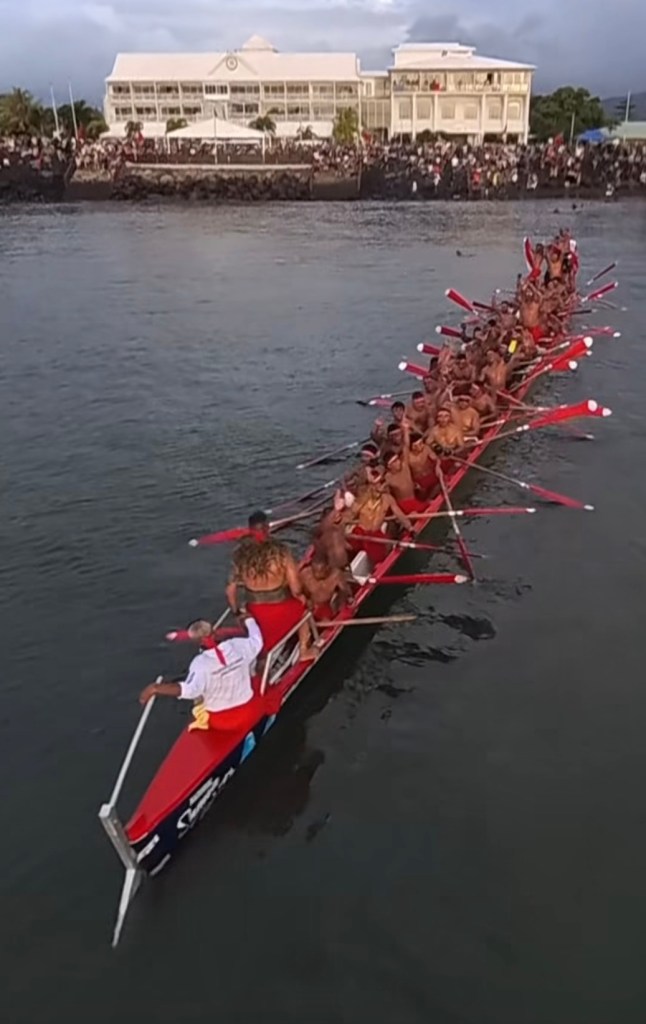
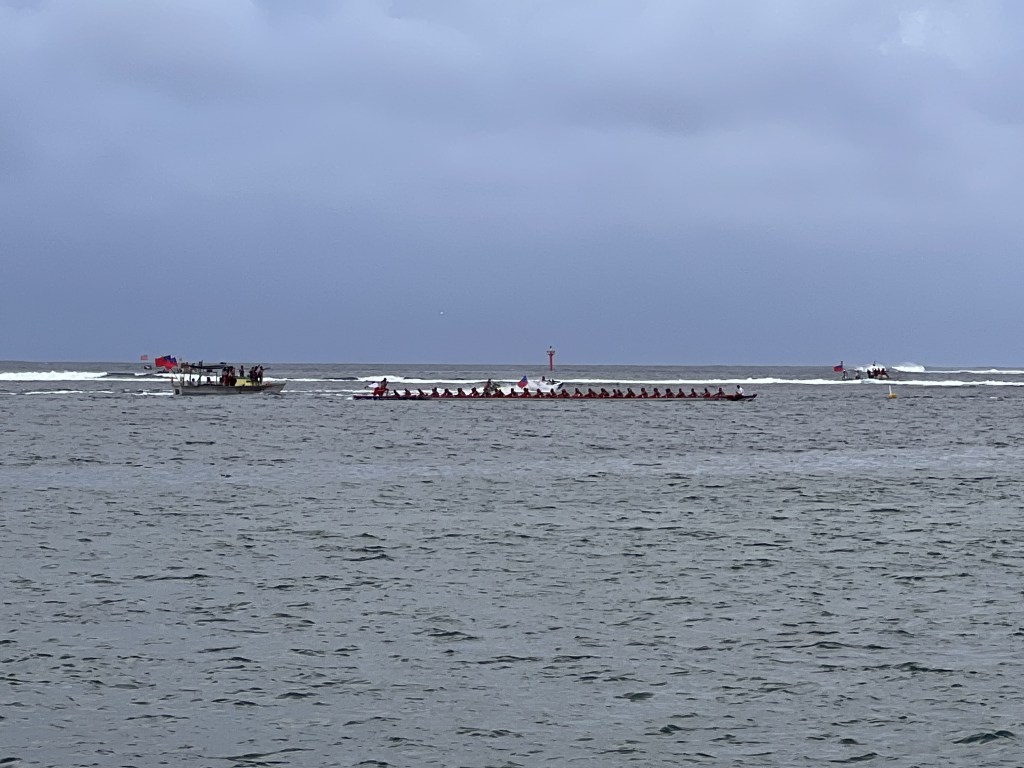
Monday’s race was super exciting. Two teams led the field as they passed our vantage point and one was Tolotolo o Tamauli, the team that I was cheering for. They came from the big island of Savai’i and the team were staying and training at my work boss’ village. Unfortunately, they came 2nd in the end but went home with a cheque for $45,000 for their efforts.
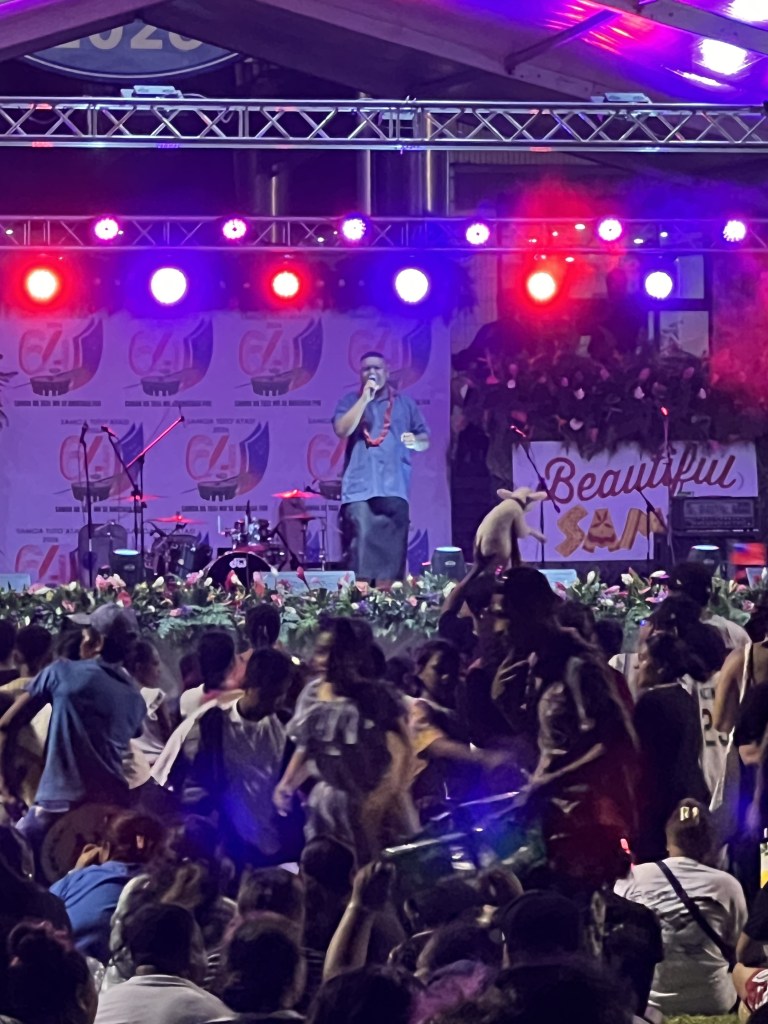
Celebrations continued into the evening with a Variety Show and concert in front of the Government Building.
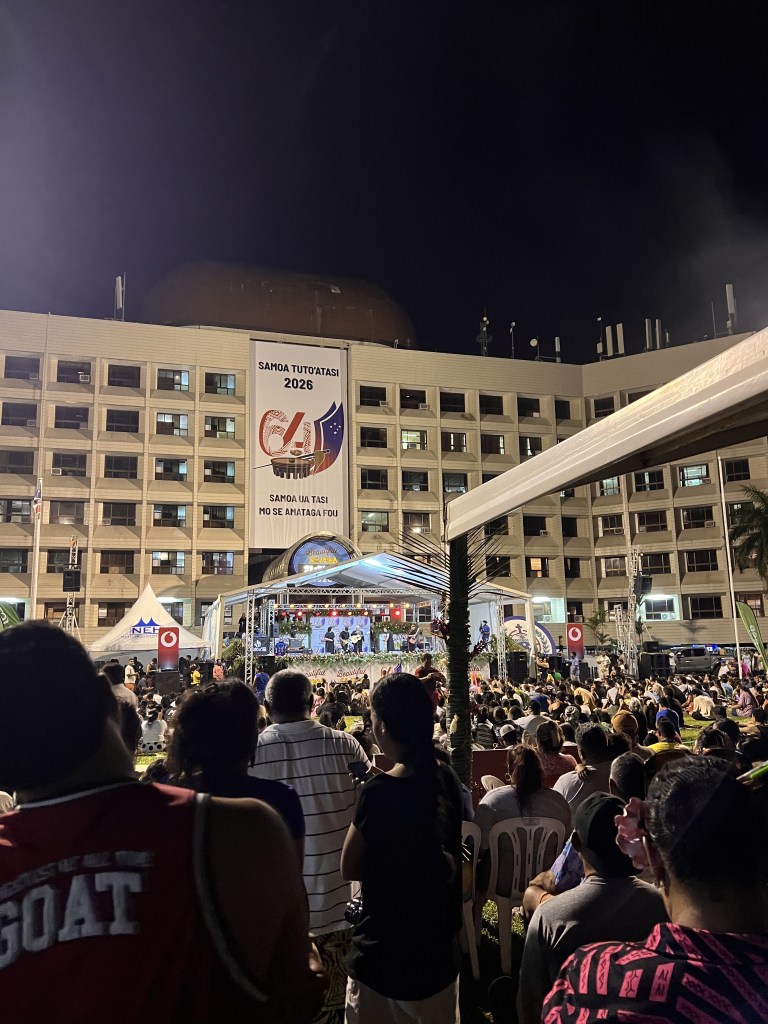
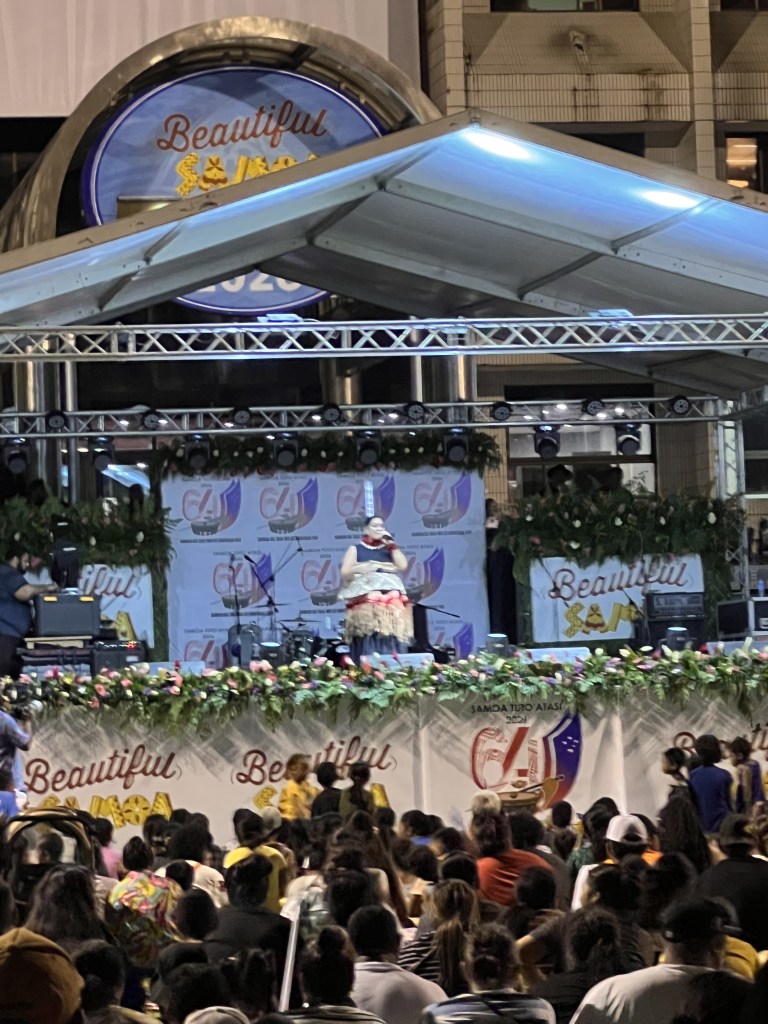
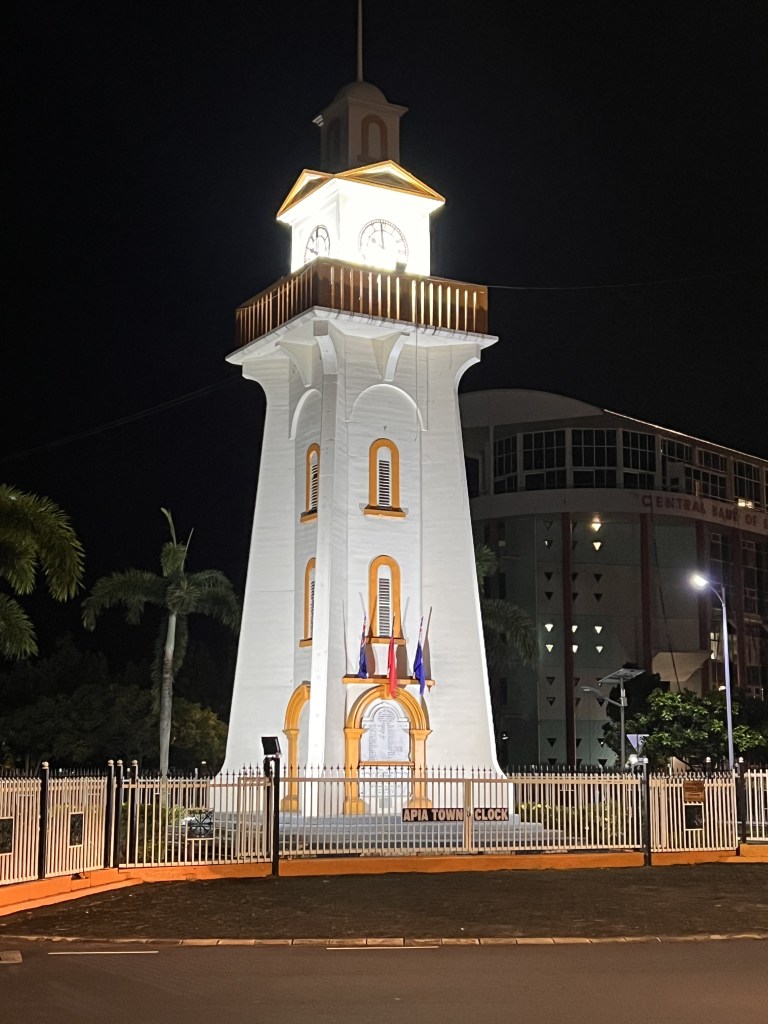
Well actually the celebrations continued for two more days but real life hit and it was back to work for me on Tuesday. I was able to watch the fautasi race on Wednesday morning since it was at 7am. Despite me cheering loudly for Tolotolo again, this time they finished third using the Olympic paddles. It was nice to see the crowds come out early to watch the race again on Wednesday and to see Malu o Samoa, the team of young emergency services recruits win the big prize.
It was a great few days of celebrations that I will remember for a long time.


Leave a Reply