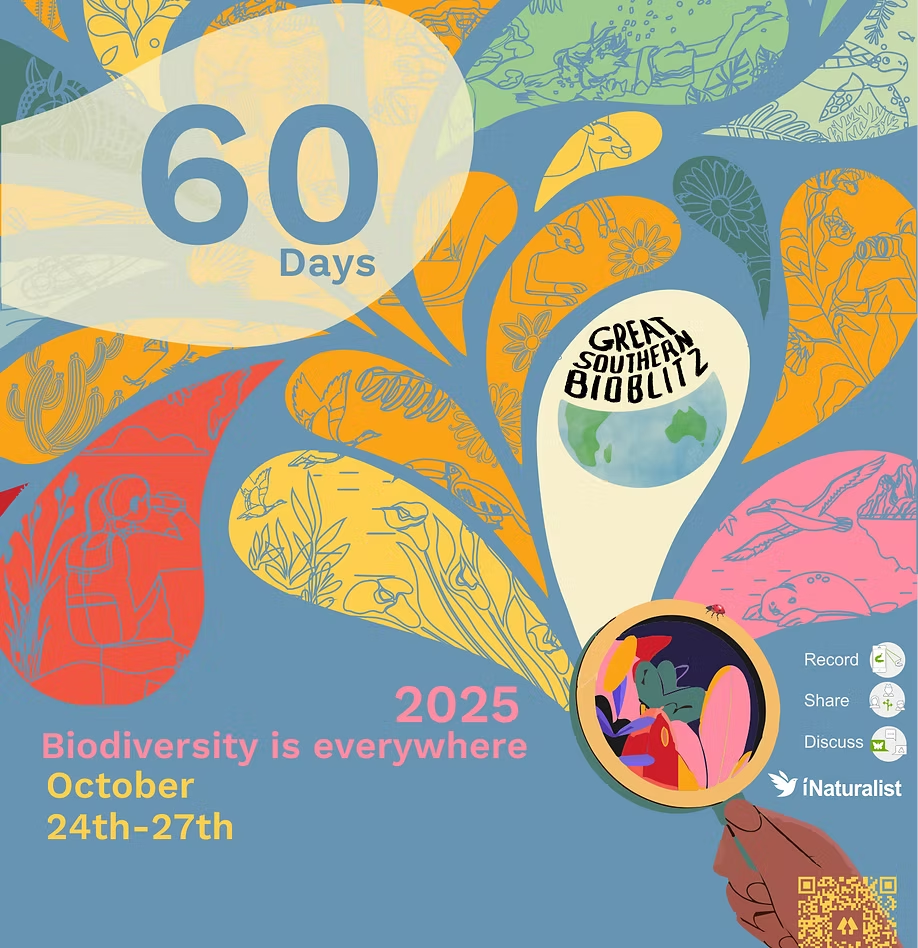
Last Saturday I participated in the Samoa Conservation Society (SCS)/Sosaiete Faasao O Samoa’s BioBlitz at the Malololelei Recreation Reserve in Malololelei, Samoa. The event was just one of 177 happening across 23 countries in the Southern Hemisphere this past weekend as part of the Great Southern BioBlitz (GSB).
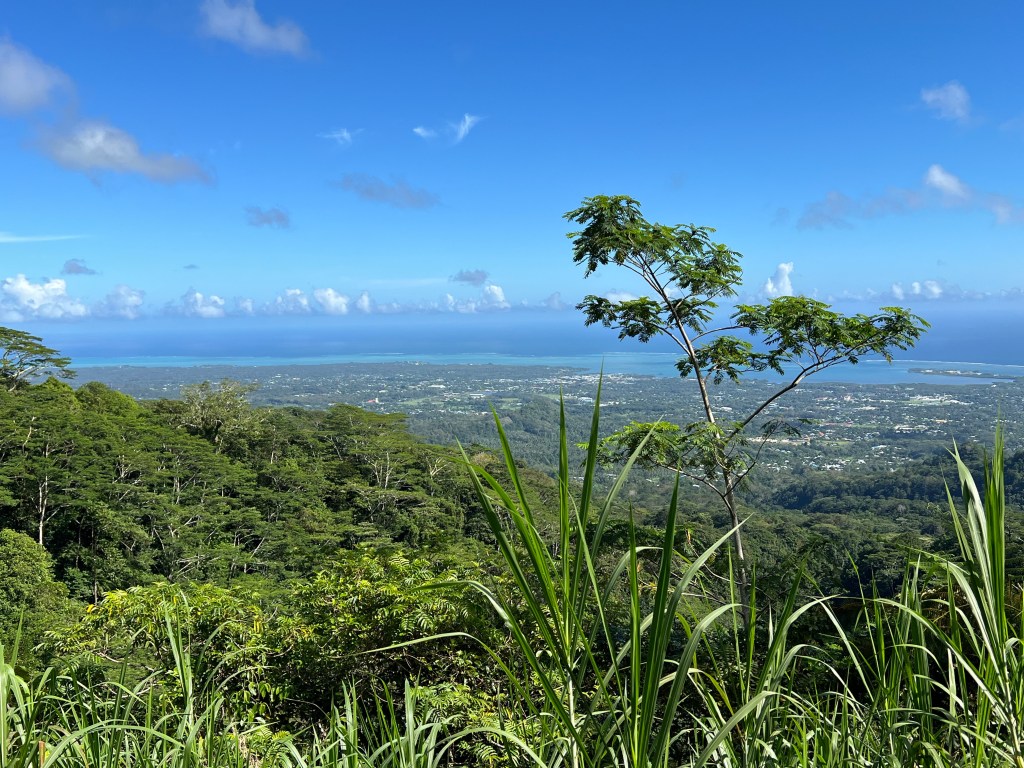
The GSB an opportunity for all Southern Hemisphere countries to record organisms during Spring and showcase biodiversity to the world. The event is run by a grassroots network of citizen scientists from across the globe and in Samoa, the team was led by the Samoa Conservation Society. SCS is a non-governmental prganisation that was formed in 2013 and it happens to be one of the members of SUNGO where I work. They have a mission to conserve Samoa’s natural heritage and biodiversity.
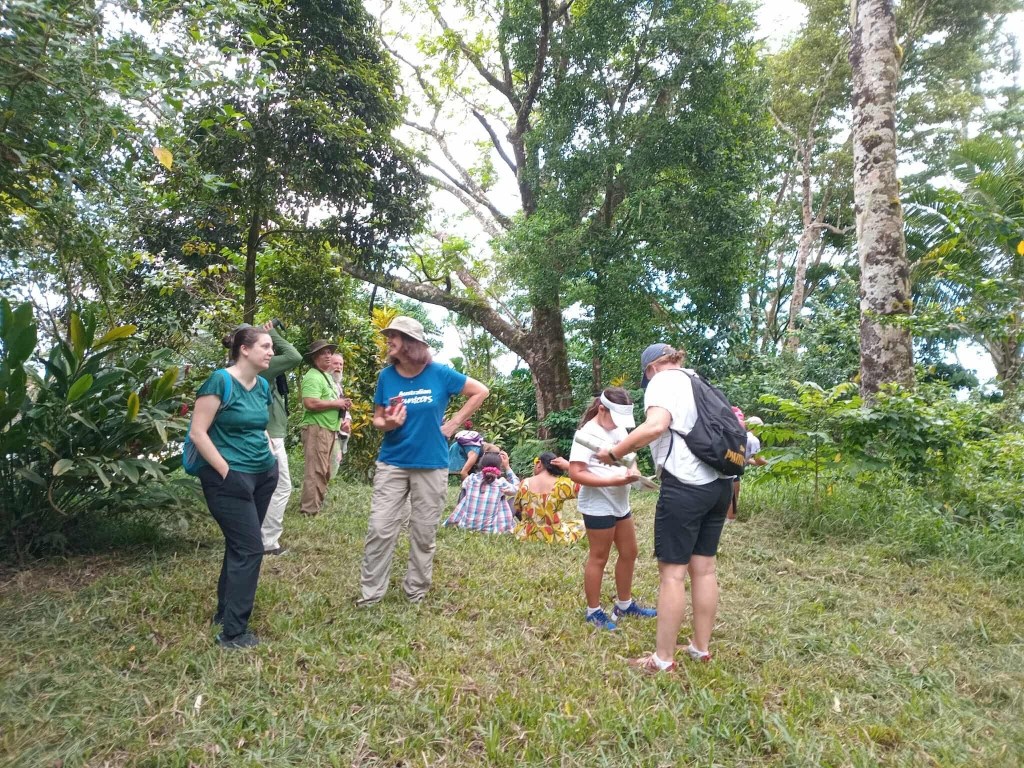
I took part on Saturday as a nature lover and as someone who lives nearby to the reserve we were surveying, not necessarily representing SUNGO and was one of 25 who showed up to help. We all downloaded and registered for the iNaturalist app so we could record species and upload them to the GSB event page.
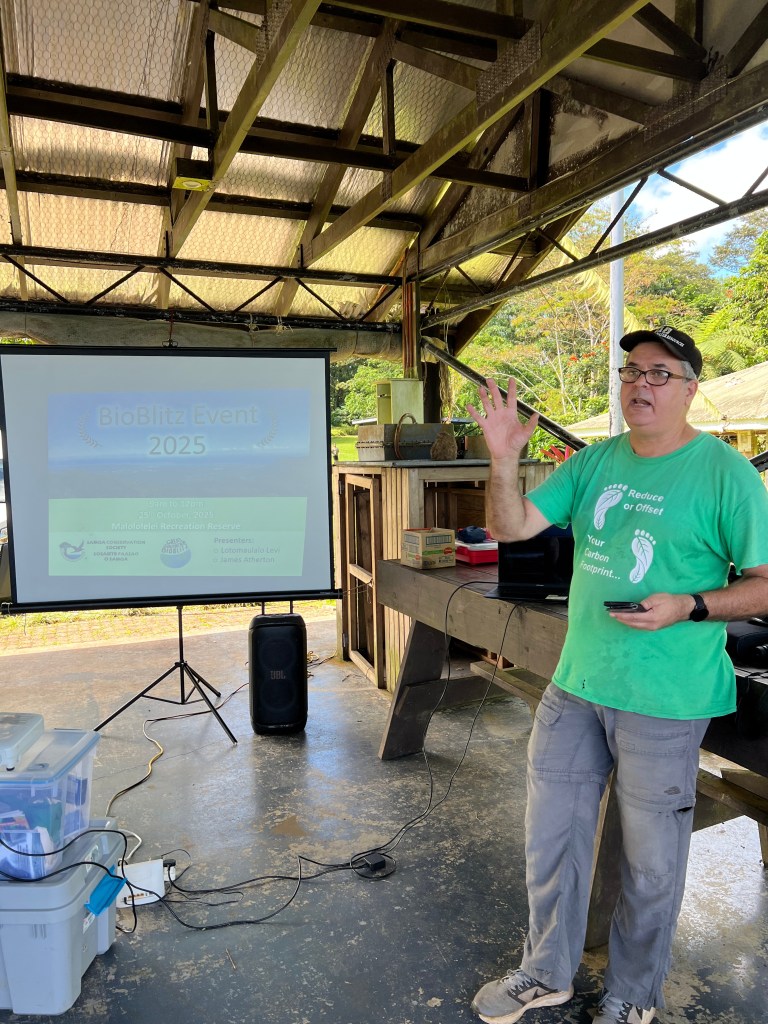
Before we headed out in small groups, we started the day with a prayer and then the President of SCS, James Atherton, took us through a few of Samoa’s biodiversity statistics. The 650 hectare reserve area we were surveying protects an important biodiversity corridor between Lake Lanoto’o and Mount Vaea.
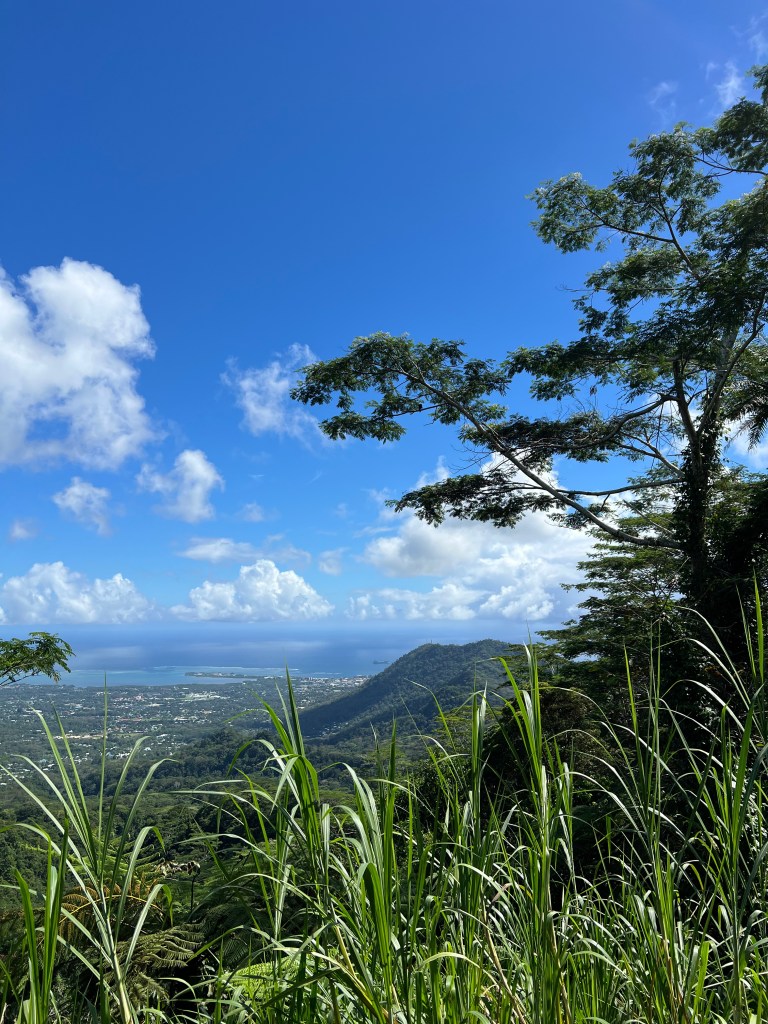
Samoa’s isolation from other land masses means approximately 30% of the plants and animals that live here are endemic species (meaning they occur nowhere else on earth). But this isolation coupled with a small land mass is also why many of these species are under high threat of extinction. When you add in the fact that Samoa is on the forefront of seeing climate change play out, it’s even more dire for most of these species. 118 species of Samoa are on the IUCN Red List of most threatened species in the world and more are already extinct.
I learned that Samoa is home to the world’s smallest spider, Patu marplesi, (Samoan Moss Spider) which has a legspan of 0.46 mm (0.018 in). Samoa has 2500 native insect species, including 30 butterflies). 550 species of flowering plants, including 100 species of native wild orchids). 64 species of land snails, 31 species of land birds, 14 species of land reptiles, and only three native species of mammals, all of which are bats. In the sea surrounding Samoa, there are 890 species of reef fishes, more than 2000 species of marine snails and approximately 200 species of corals.
Once James quizzed us on the types of plants and animals that we should be on the lookout to record, we headed out, armed with our phones/cameras.
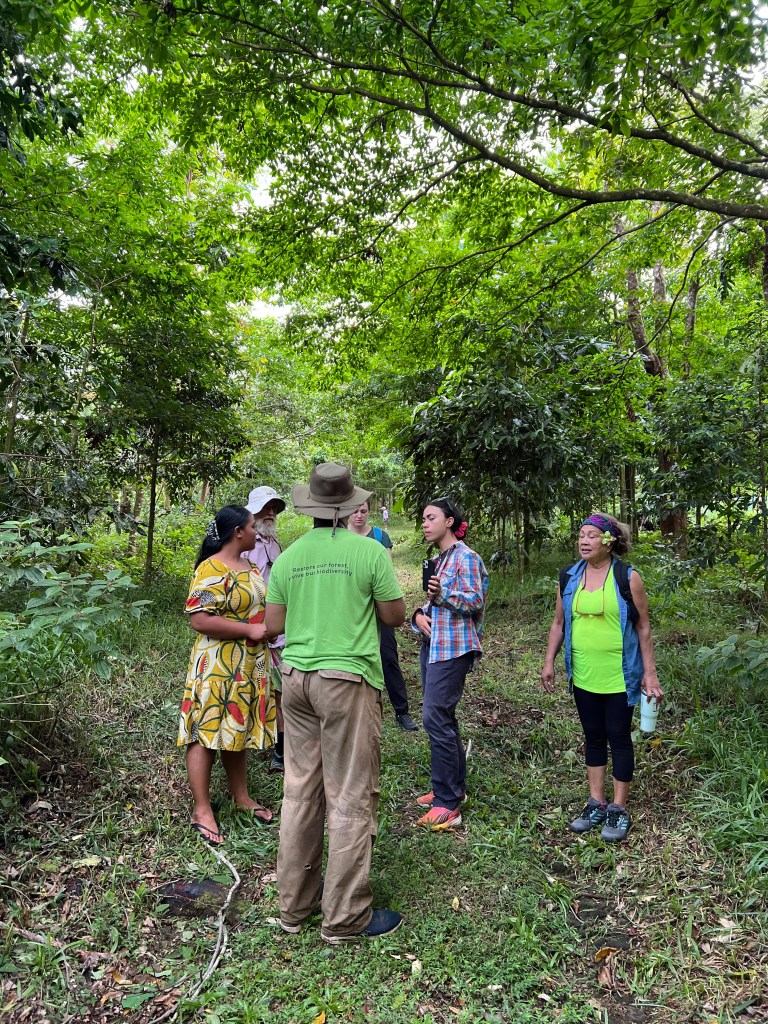
The idea was to record as many different species as we could see, but of course, I got distracted. It was just so lovely to be out walking in a reserve, listening for birds, learning about various plants from Falefaga (see my earlier post about planting baby trees for more about Falefaga) and just enjoying the sunshine after a week of rain. I also enjoyed meeting others who were taking part. It was a nice mix of people I knew and people I met on the day.
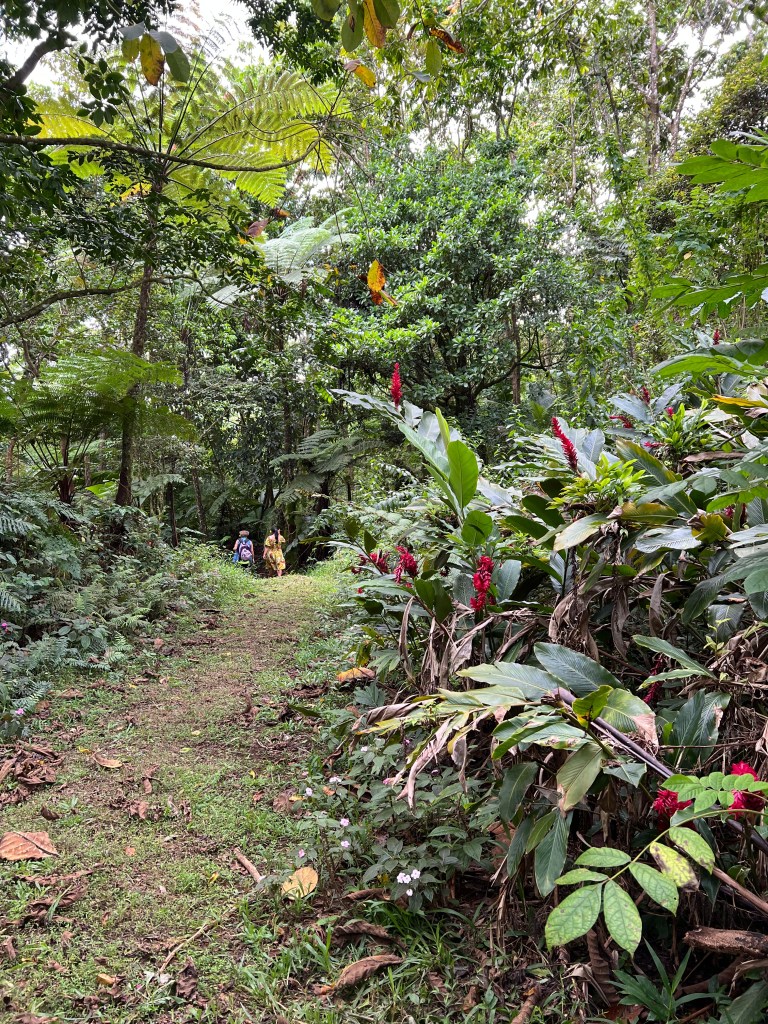
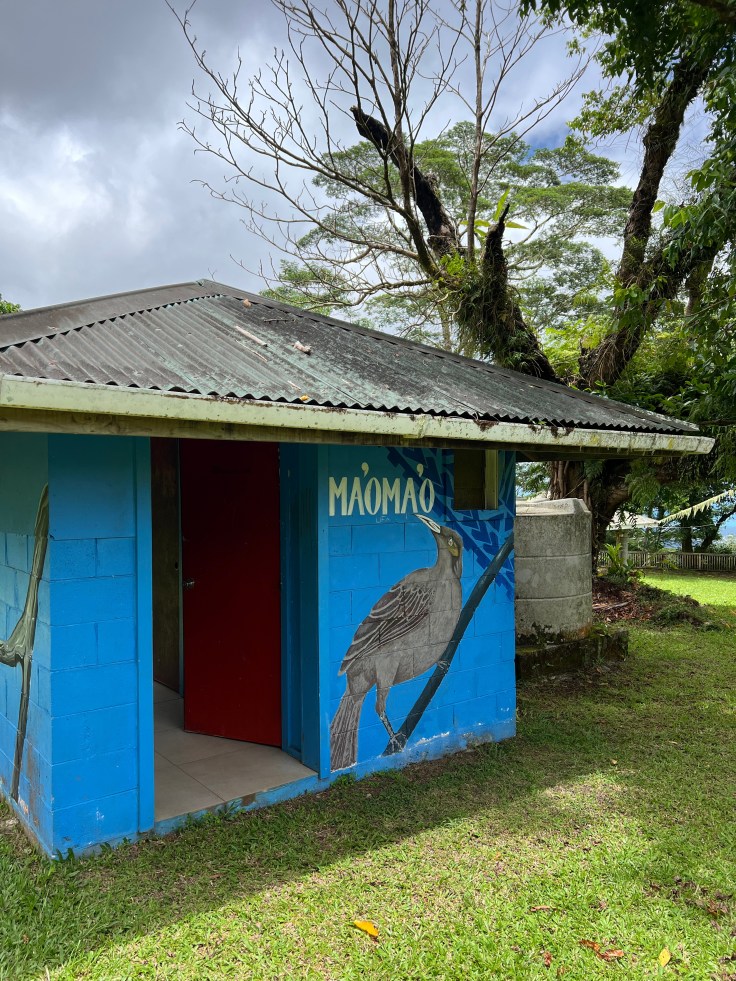
I wanted to be in Falefaga’s small group as I knew he was keen to spot birds and I wanted him to help me correctly identify a Ma’oma’o. The Ma’oma’o is a large, endangered honeyeater and I was pretty sure that one of the birds that wakes me up every morning is a Ma’oma’o but I needed confirmation of their call. I am fortunate to live in a house that backs on to native forest land where the Ma’oma’o occurs.
I was thrilled when after a half an hour or so, Falefaga stopped and had us all listen. It was a Ma’oma’o calling high in the treetops. I couldn’t spot it, but at least now I have confirmation that I definitely have Ma’oma’o in the trees near my house! That makes me happy!
One of the plants that I identified is Ti (Cordyline fruticosa). Traditionally, Ti has many uses: medicinal, as thatching, as food and Hawaiians even use the roots to make an alcohol. Ti was probably introduced into Hawaii by other Polynesians, perhaps even Samoans.
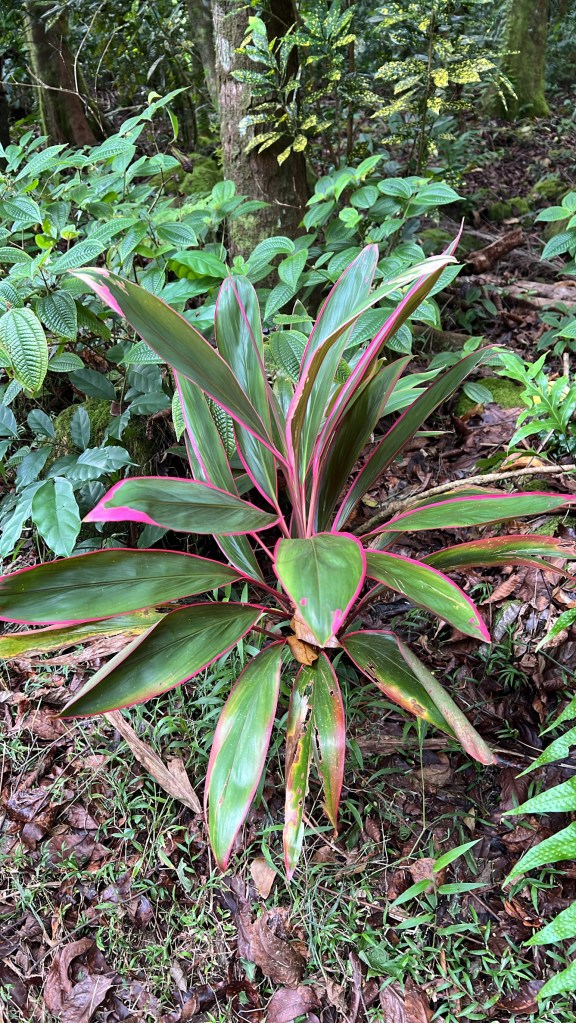
Many Polynesian peoples believe Ti wards off evil spirits and it is often planted to mark boundaries and keep those within safe. I’m pleased to say that my house here has a garden with a lot of Ti in the bordering hedges. My Samoan friend Otila says that one can weave garlands of ti to bless a new house. It’s meant to ward off evil spirits and send blessings to all that live in the house. She’s asked me to help her weave a garland of Ti for her new house in coming weeks and I look forward to learning a new weaving skill.
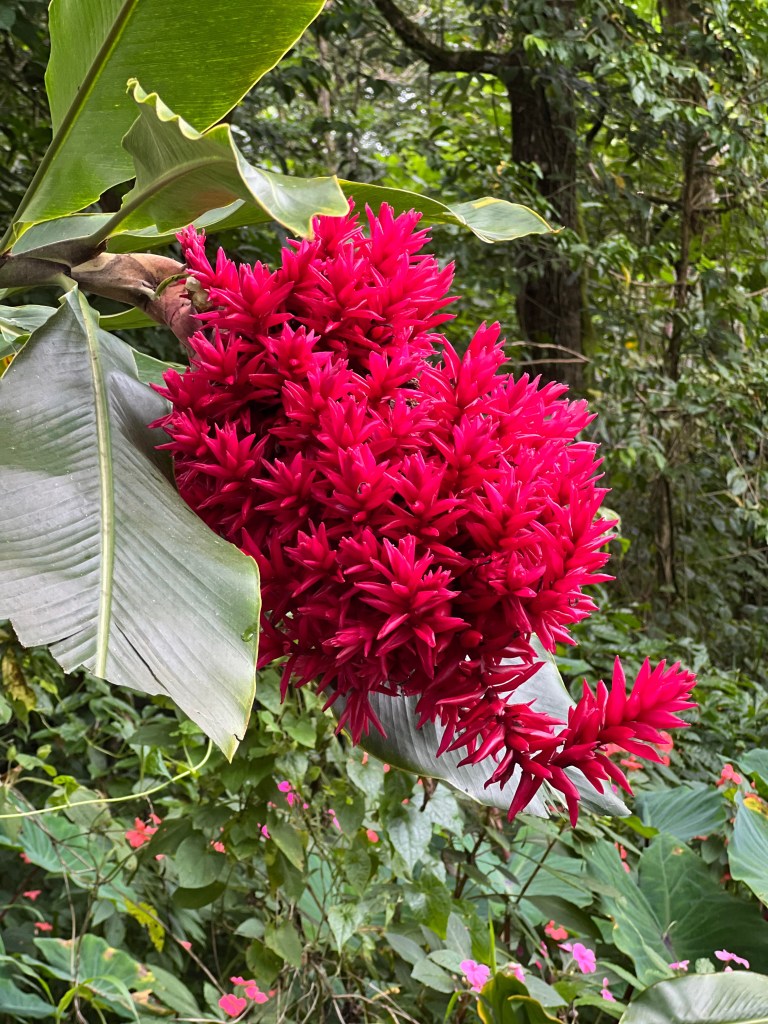
Another favourite species of mine here is Red Ginger or known locally as teuila. It’s the national flower of Samoa and it’s easy to see why. It’s found everywhere and is absolutely stunning. It is used widely in flower arrangements. This plant featured one of the best displays I’ve seen. And oddly enough, the red bit isn’t the flower. The flower is actually inside each of the red bracts (which are actually modified leaves) and are small and white.
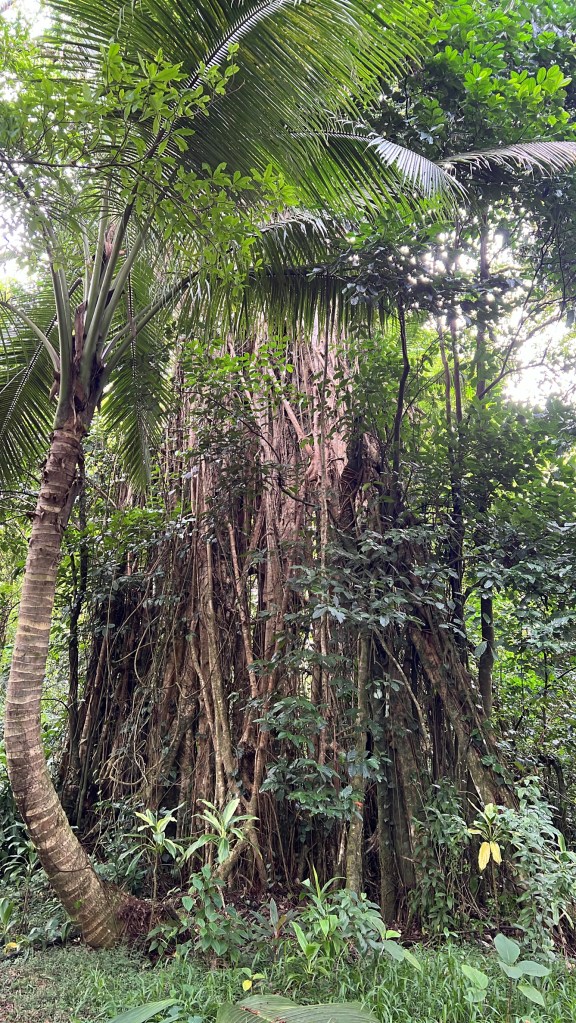
The large Aoa (Ficus prolixa and Ficus obliqua) trees in the forest are very important for biodiversity. They are very large trees with aerial roots that fall to the ground. They have simple leaves, milky sap and their berry like green to
red fruit occur all year round. They are home to many other plants and animals at all different levels of these magnificent trees.
We hiked and photographed and talked for about an hour and a half before we turned around and headed back to the overlook and shelter where we had begun. By this point, we were all hot and my mosquito repellent had well and truly sweated off.
The Conservation Society provided lunch for all participants, but as someone with coeliac disease, I always find these Samoan lunches difficult. They usually contain a sandwich and some fried food that I can’t eat. As I declined, so did another woman who I had met on the hike. It turns out that she also has coeliac disease. She’s originally from the US and has lived here for 8 years. It was so great to meet someone else who also struggles to find gluten free items here. She said the stores were actually better about stocking gluten free items pre-Covid but since 2021, it’s been difficult to find supplies. She did however tell me which restaurants she knows are safe to eat at. I am glad to say I have eaten at two of them and the rest are on my list to try soon.

We wound up the day with thanks and an award ceremony before the day was closed with a prayer. They gave out prizes for those who had uploaded the most species and I came second after the French Ambassador’s wife who had identified more species than I had. Just as I was saying goodbye to everyone, I spotted one last species. A blue moon butterfly! Unfortunately, it was too quick to capture with my phone but it was a great way to finish one of the most enjoyable Saturday mornings I’ve had here.
 Believing in Me
Leave a comment