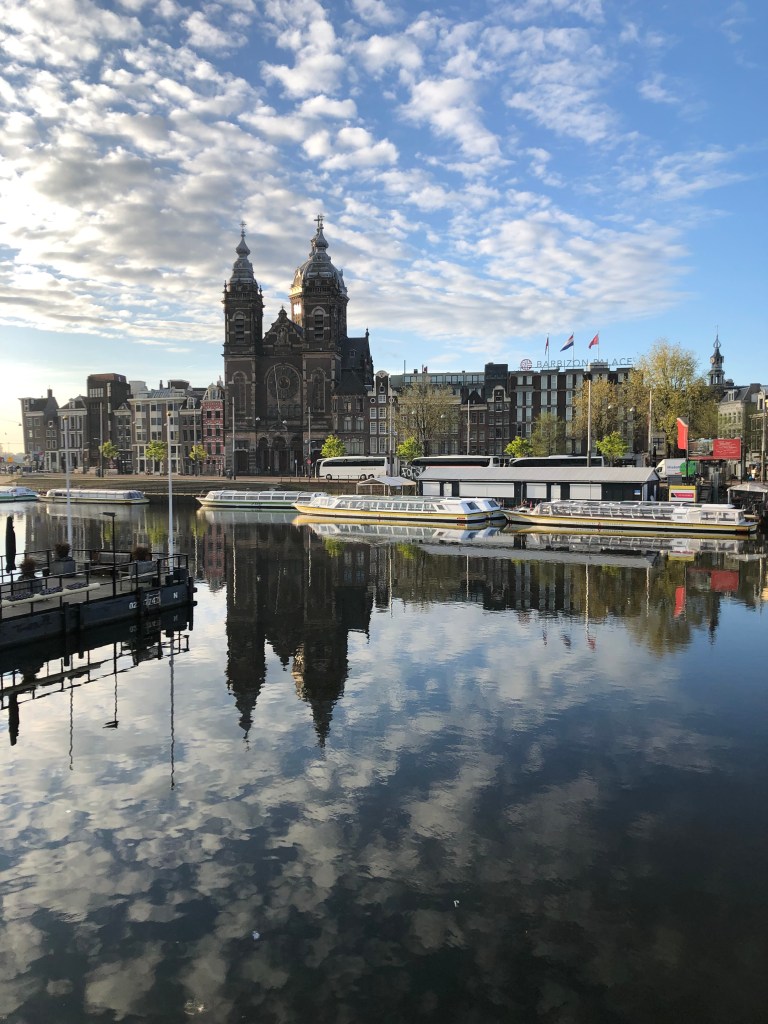
My youngest daughter and I recently spent four days in Amsterdam. We loved everything about the city; both of us felt at home here almost instantaneously. Neither of us have visited before which has allowed us to explore together and be flexible about what we saw and did without expectation.
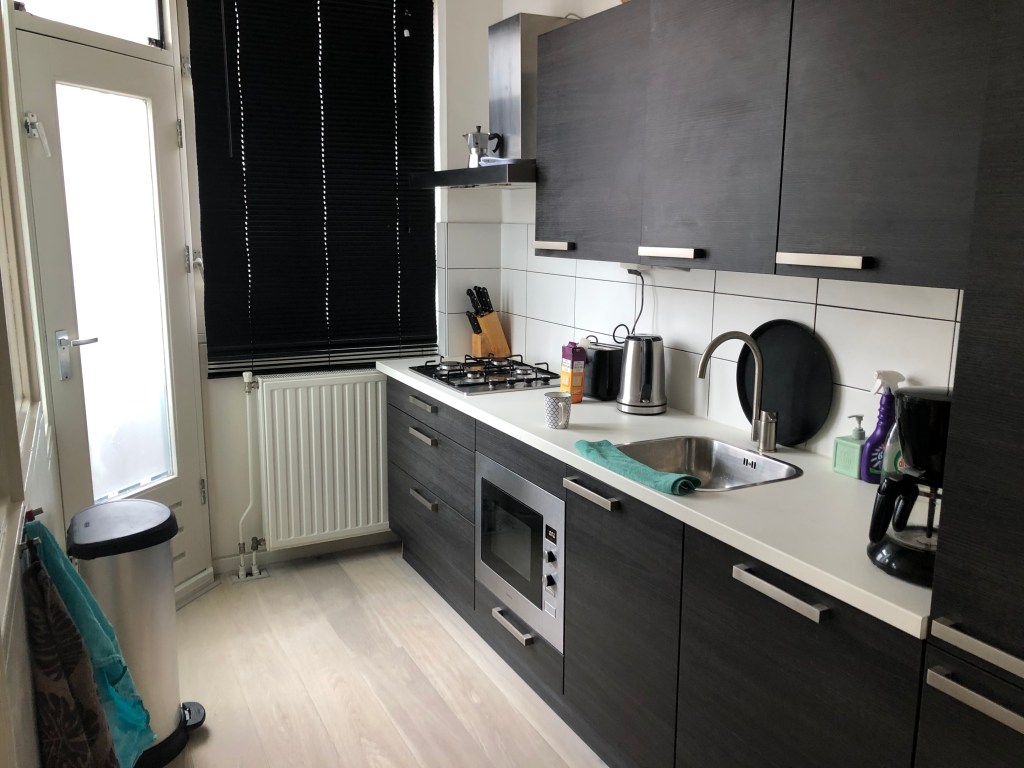
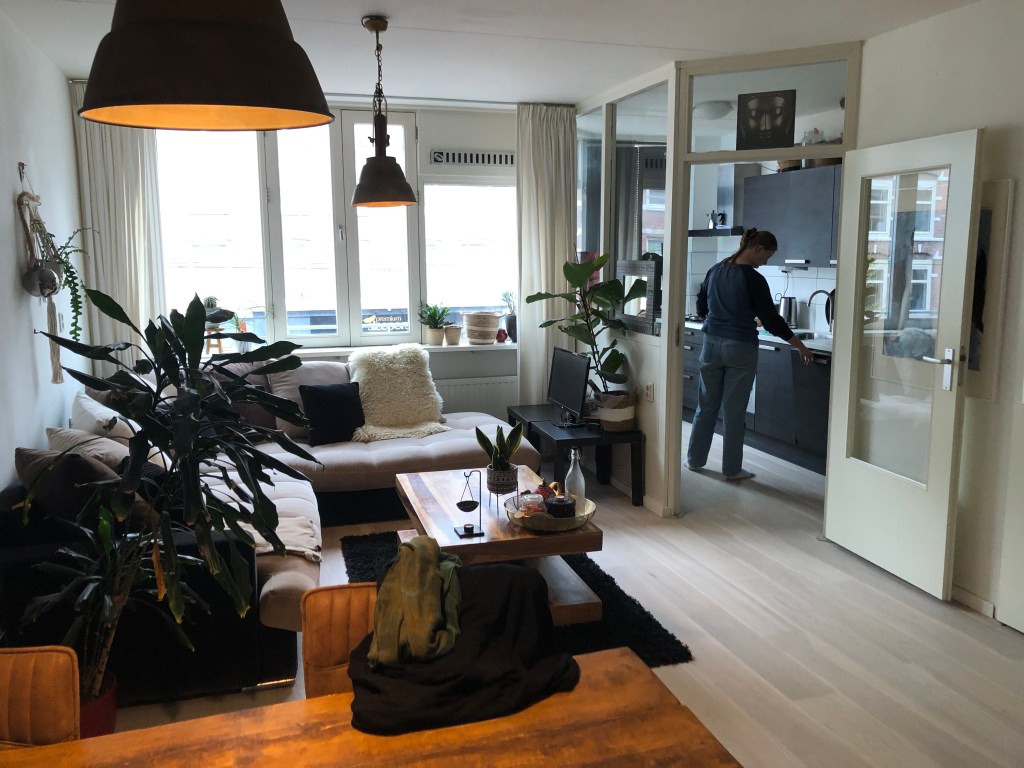
We stayed in a lovely little flat in the city’s Oud West (old west) district that I found on Airbnb. Eline, the owner, lives in the flat and moves in with her boyfriend whenever she has Airbnb guests. So the flat was comfortable and furnished with everything we needed, including spices and oils for cooking. The flat was on the first floor, above a row of shops which when I first saw it, I wondered if it would be noisy. I shouldn’t have worried. The shops all closed at 7 and the evenings were quiet. A tram stop was right outside our door, but the trams are electric and quiet. Both T and I loved that there were very few cars, just trams and lots and lots of bicycles.
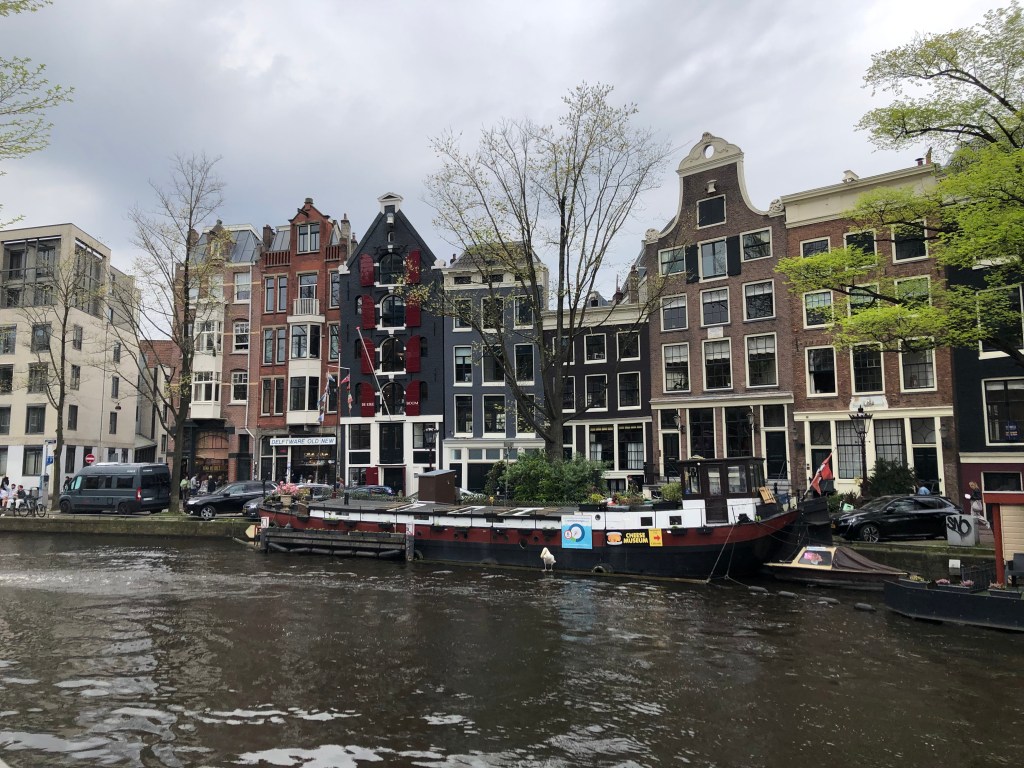
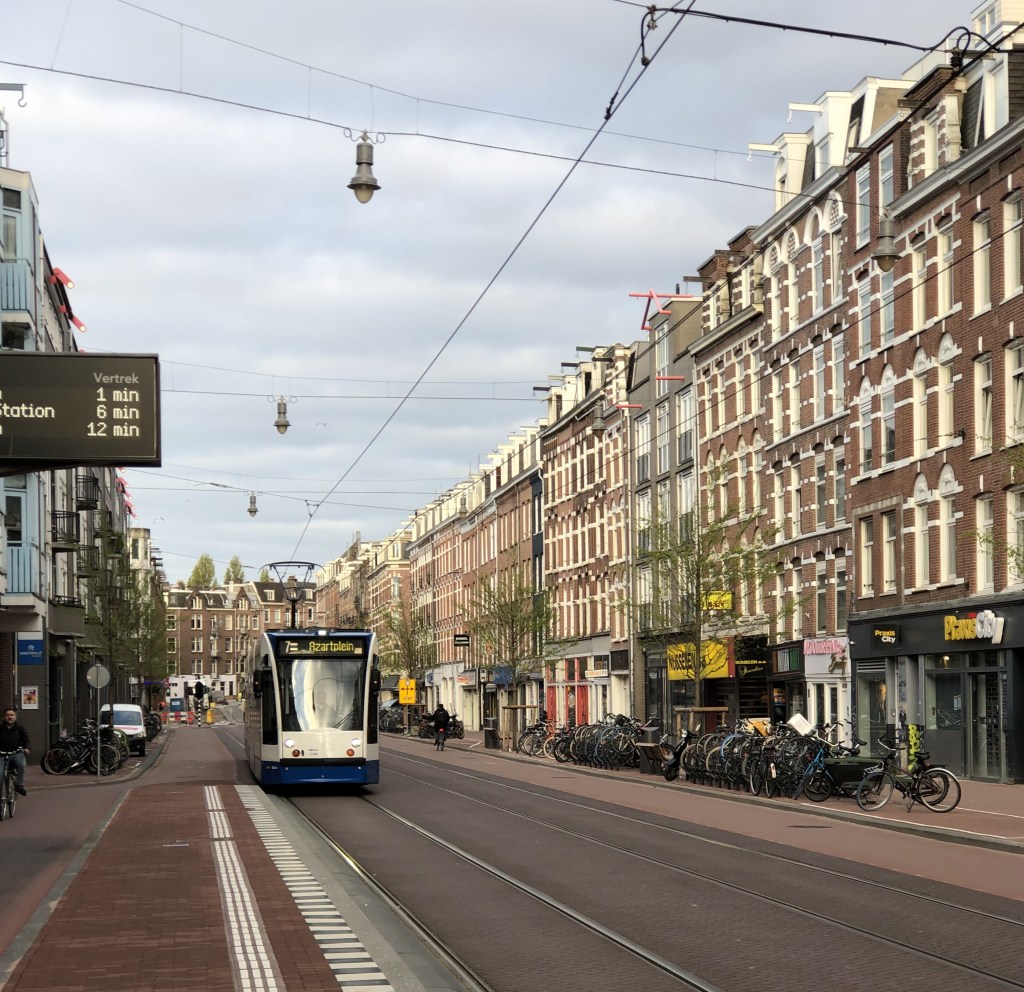
Everyone talks about the bicycles in Amsterdam but they kind of have to be seen to be believed. Most of them aren’t flash or fancy. In fact, most look beat up and old which is a deterrent to keep them from being stolen. Amsterdam has 780,559 inhabitants, who together have an estimated 881,000 bikes. More than 15,000 bicycles get lost in canals each year which seems like a lot but since there are 165 canals with a combined length of 100kms (60miles) I guess it’s possible. Amsterdammers use their bicycles to commute to work, to school, to walk their dogs, to do their food shopping, to visit friends, to go to the theatre, basically to go anywhere. And as a pedestrian, one must be constantly on guard to keep yourself from being run over and becoming a bicycle pancake. (More on pancakes later).
If you don’t have a bicycle, like us, public transport is super easy and super cheap. We bought a 3-day pass for all public transport across the city for €21 ($34AUD). With a tram stop right in front of our flat, we could travel all over the city easily. The only thing you need to remember is to tap your ticket on at the beginning of your journey and then tap off at the end.
We flew into Schiphol airport from London and there is a train station under the airport, so it makes it easy to get straight into the city centre. All the ticket machines sell tickets in both Dutch and English, so it was quick to get a ticket. In fact, it’s easy to get around Amsterdam without a word of Dutch – pretty much everything is in English and everyone we encountered spoke English.
Even though we arrived well before the crazy busy tourist season, we found that many of the big sightseeing attractions were booked out. Canal tours were almost impossible to book. The Anne Frank House was completely booked out, as was the Van Gogh Museum. I was disappointed to not be able to visit the Anne Frank House. It’s been something on my bucket list since I was a kid and I read her diary. I believe they only take 30 people an hour as the rooms are so small. So it will remain on my bucket list and I’ll have to try again next time I’m in Amsterdam.
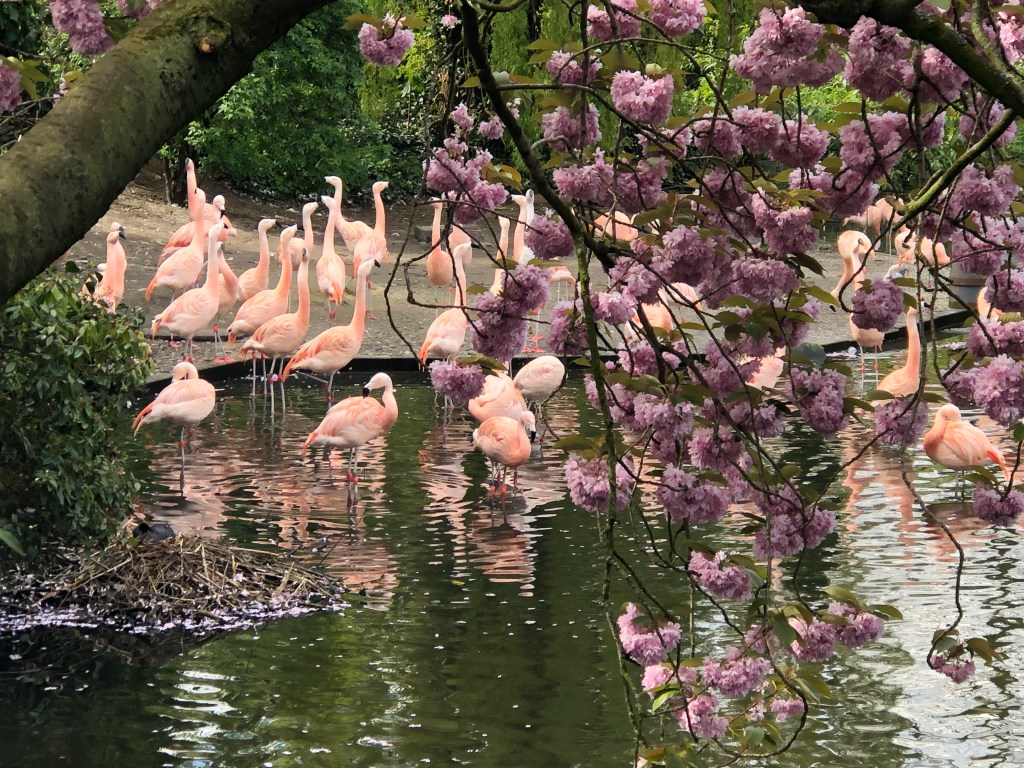
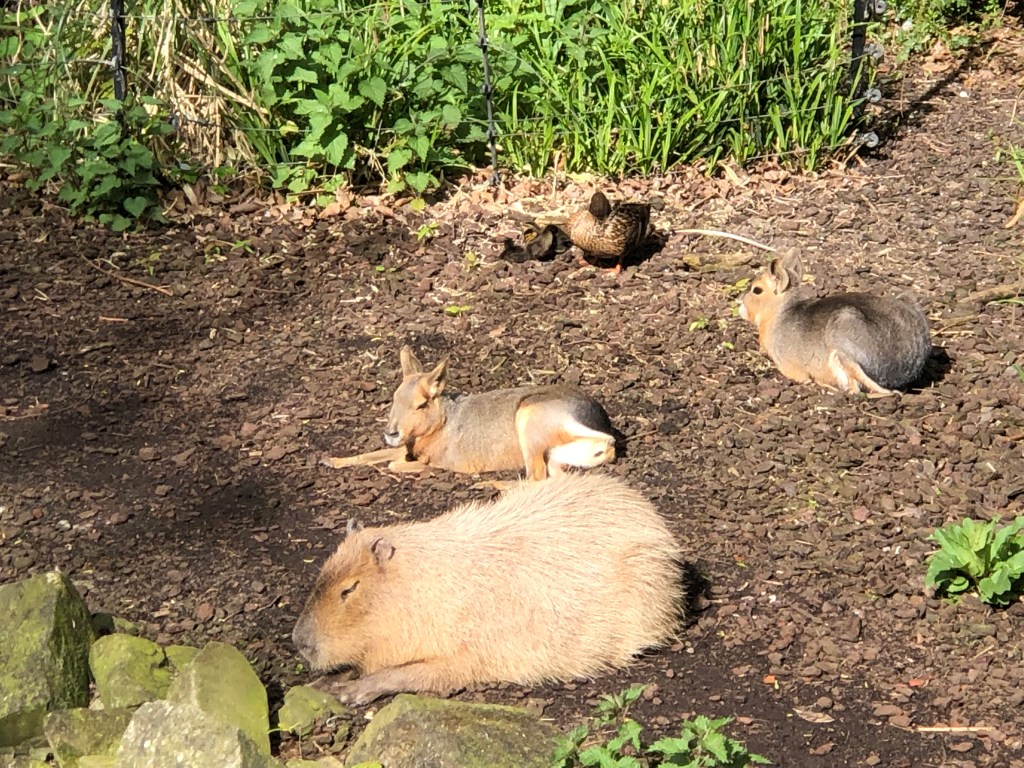
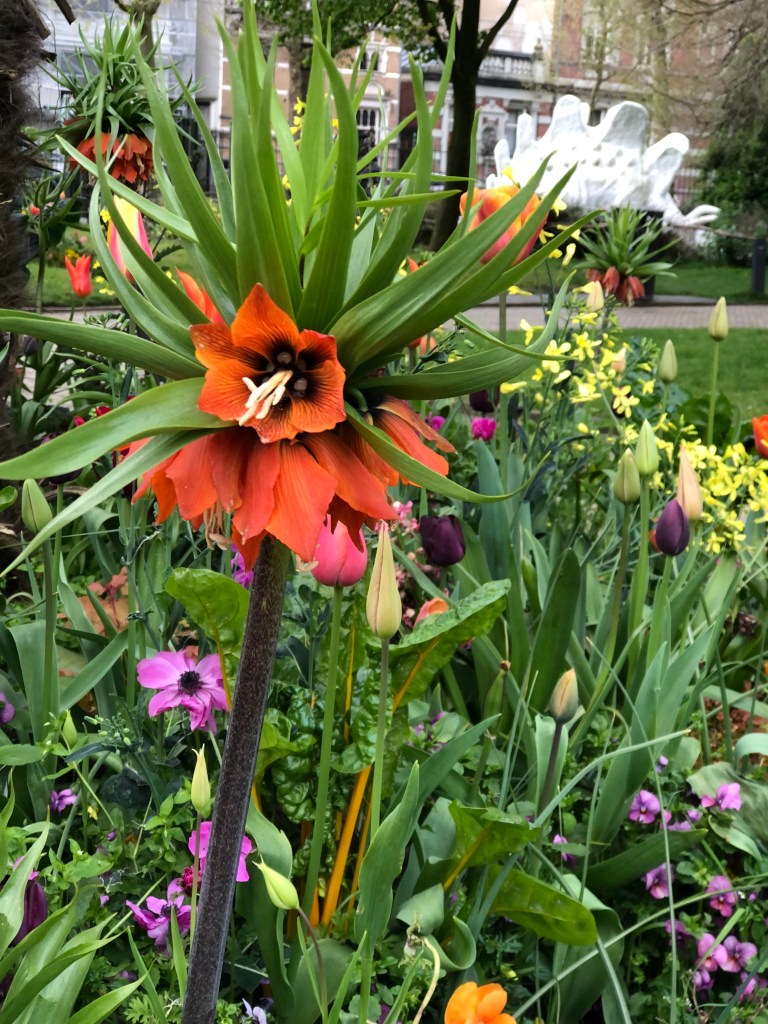
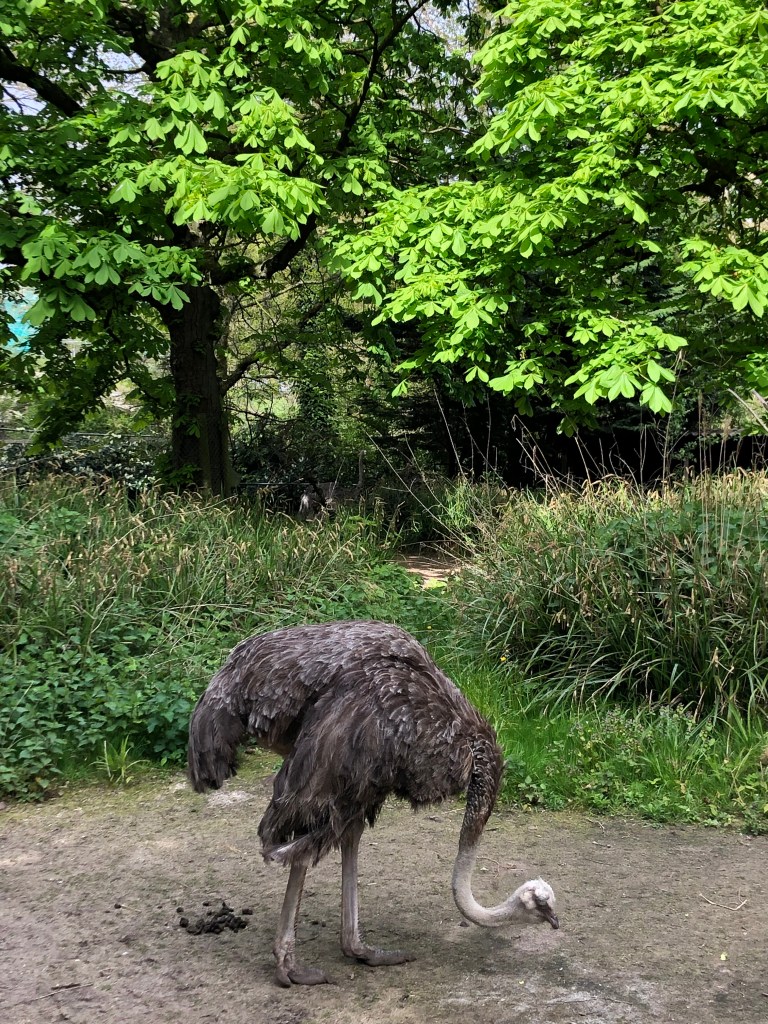
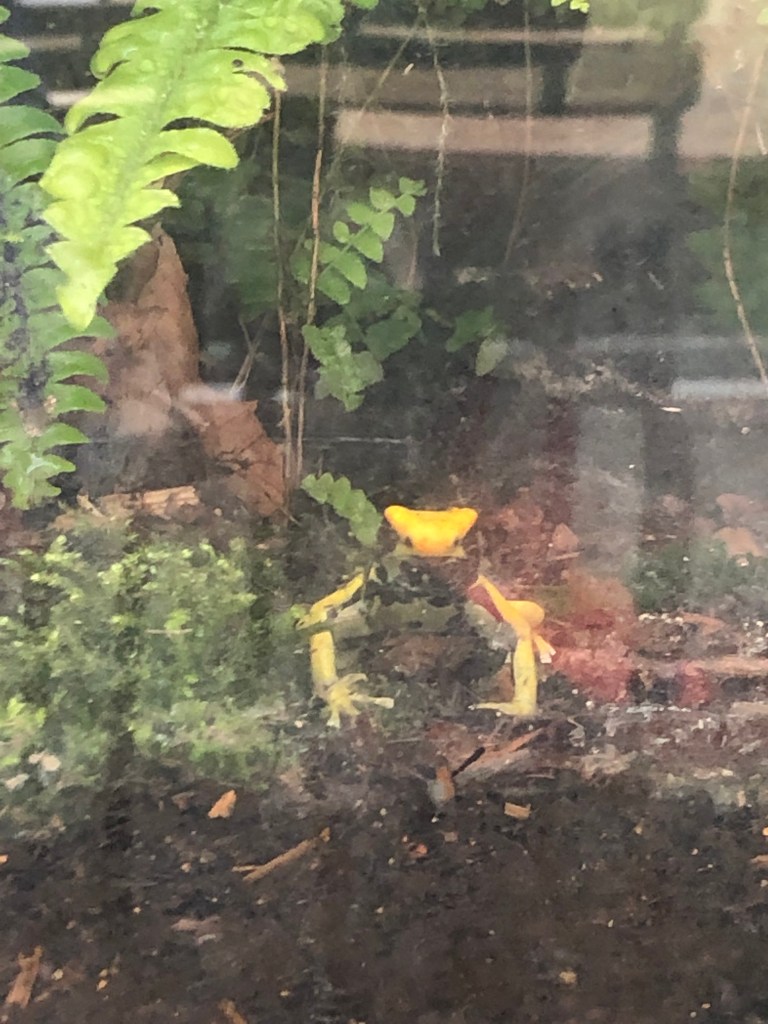
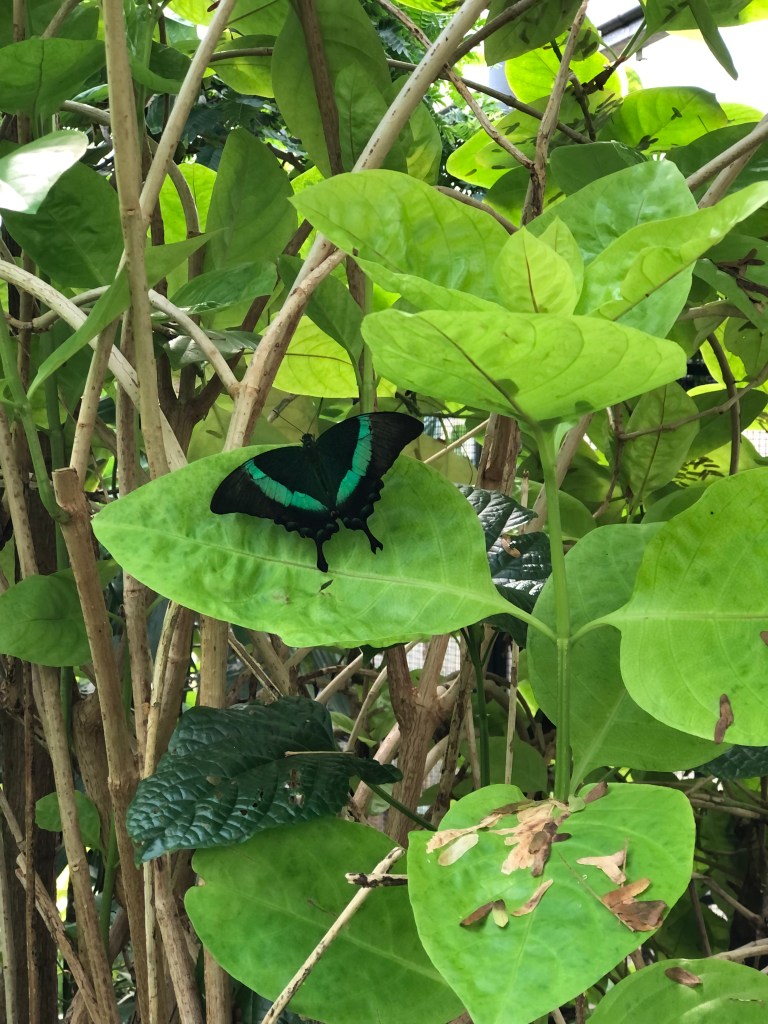
We did visit the Zoo — Artis. It was founded in 1838 and is the oldest zoo in the Netherlands. Artis started as a garden with a pond and orangery and is still beautifully laid out in stunning gardens. In fact, I enjoyed the gardens as much if not more than the animals. They also had a magnificent butterfly house where the butterflies were everywhere. I could have stayed there for hours watching them, not only because it was super warm in the house and freezing cold outside! The zoo was the hiding place during WWII for around 250-300 people during the occupation of the Netherlands; mainly Jews, resistance fighters and others who were trying to escape being sent to the camps in Germany and Poland.



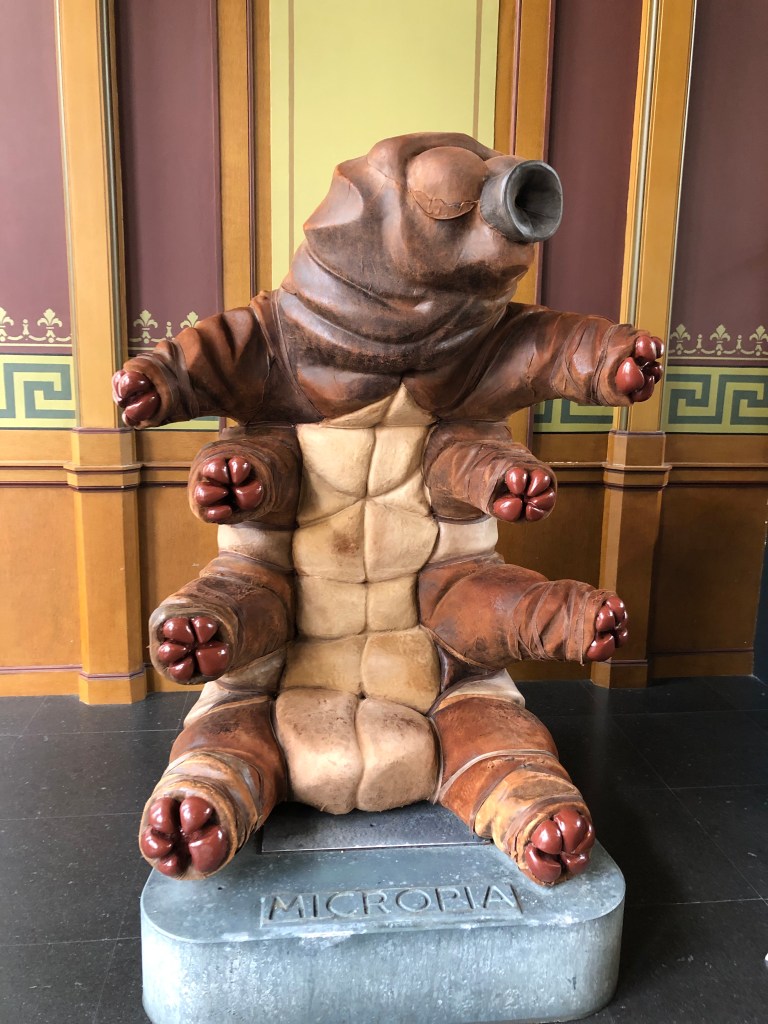
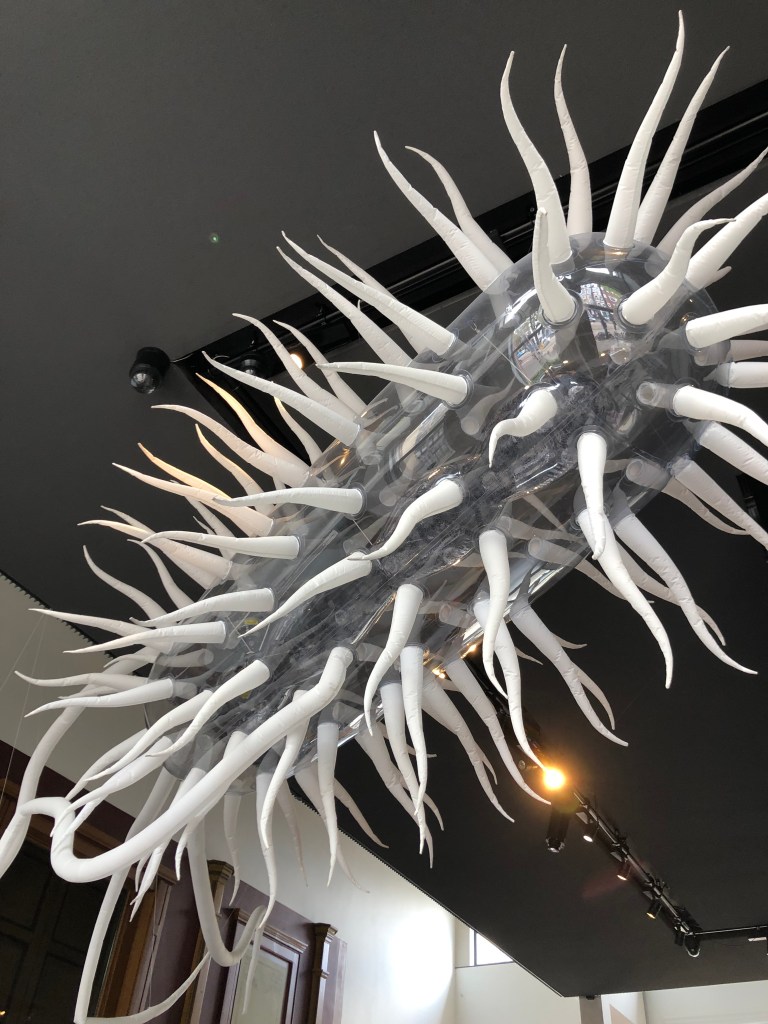
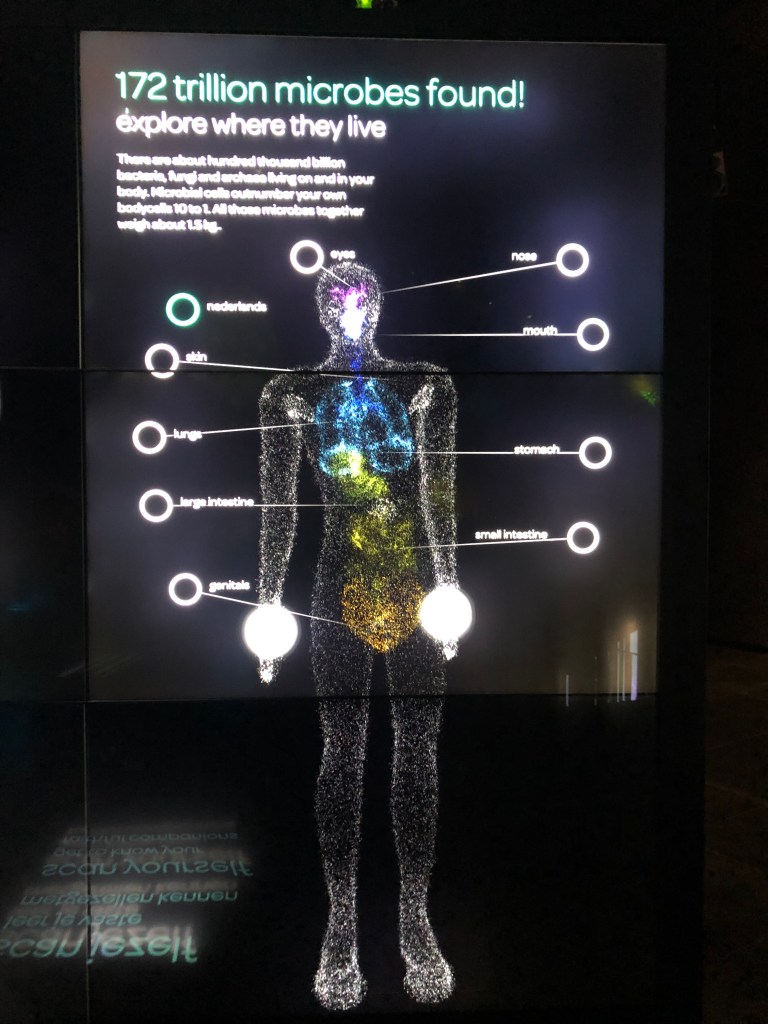
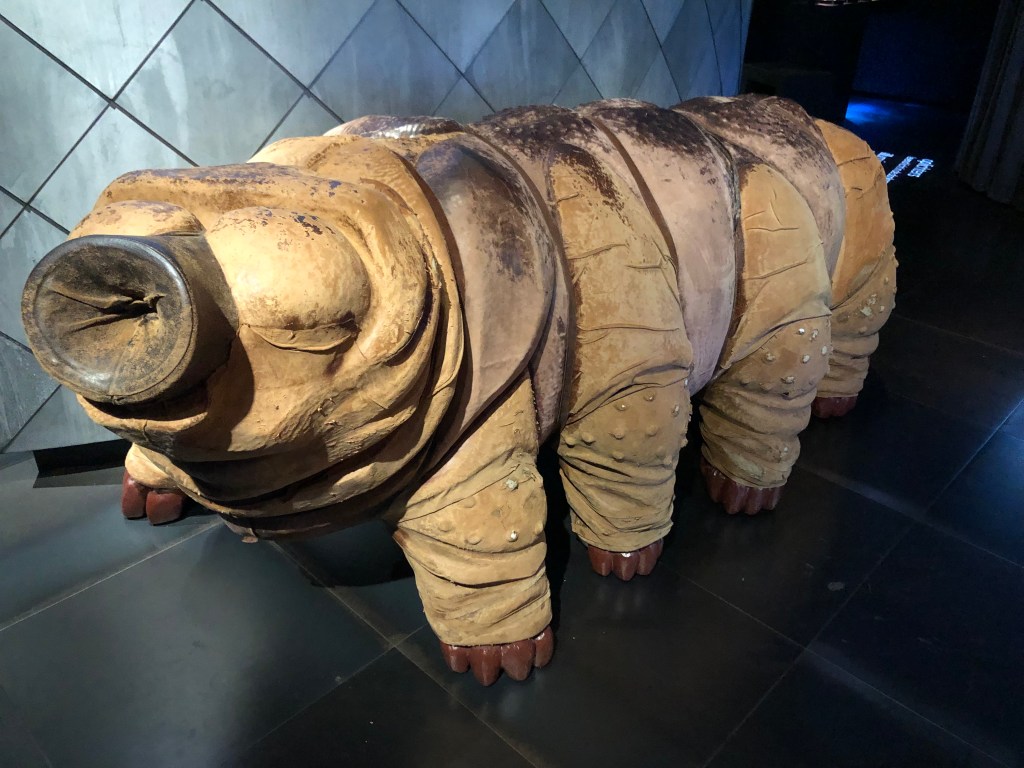
Artis has opened the world’s first museum dedicated to microbes – Micropia, which we visited in the afternoon. You don’t see microbes, but they are in us, around us, on us and influence our entire environment. They are there when you eat, when you drink, when you kiss; they are everywhere. They determine what our world looks like and what you smell and what you taste; whether you get sick or get better. They are the smallest and most powerful organisms on the planet and yet, we know so little about them. Micropia is on a mission to change that. Through interactive exhibitions, visitors learn about the microbes like the bacteria that occurs on the eyelash mites on our eyelashes. We each had a body scan and I learned I have 172 trillion microbes on me and in me. I could focus on each specific part of my body and see what kinds of microbes there were and whether they were helping or hurting me. It was truly fascinating!
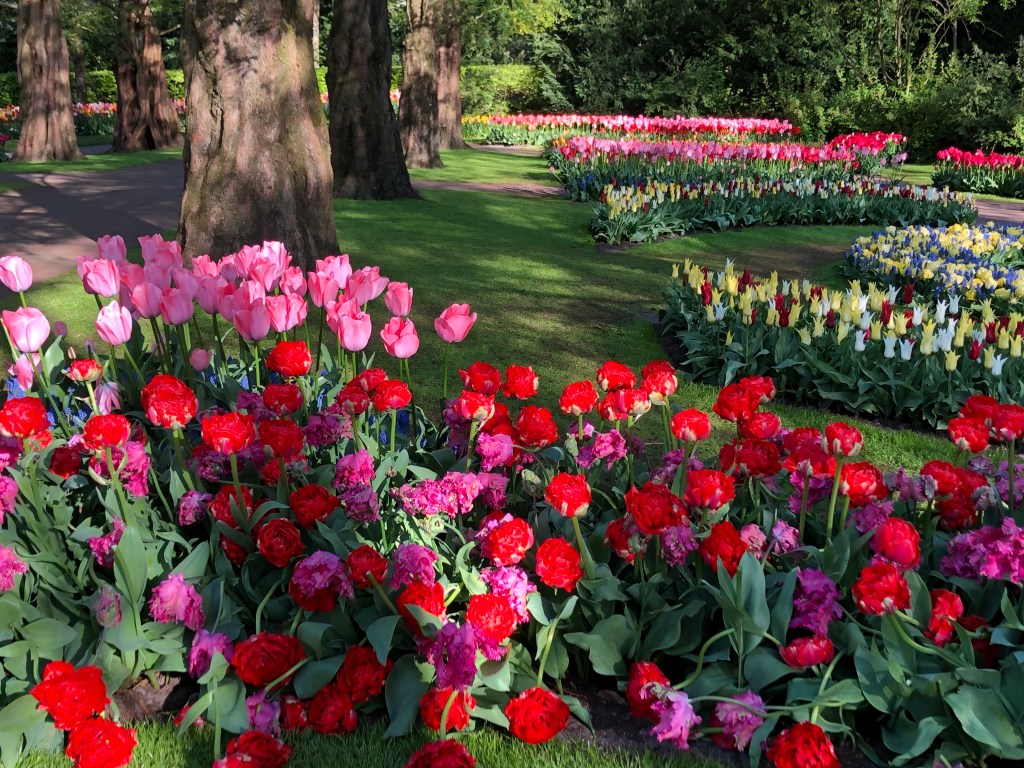
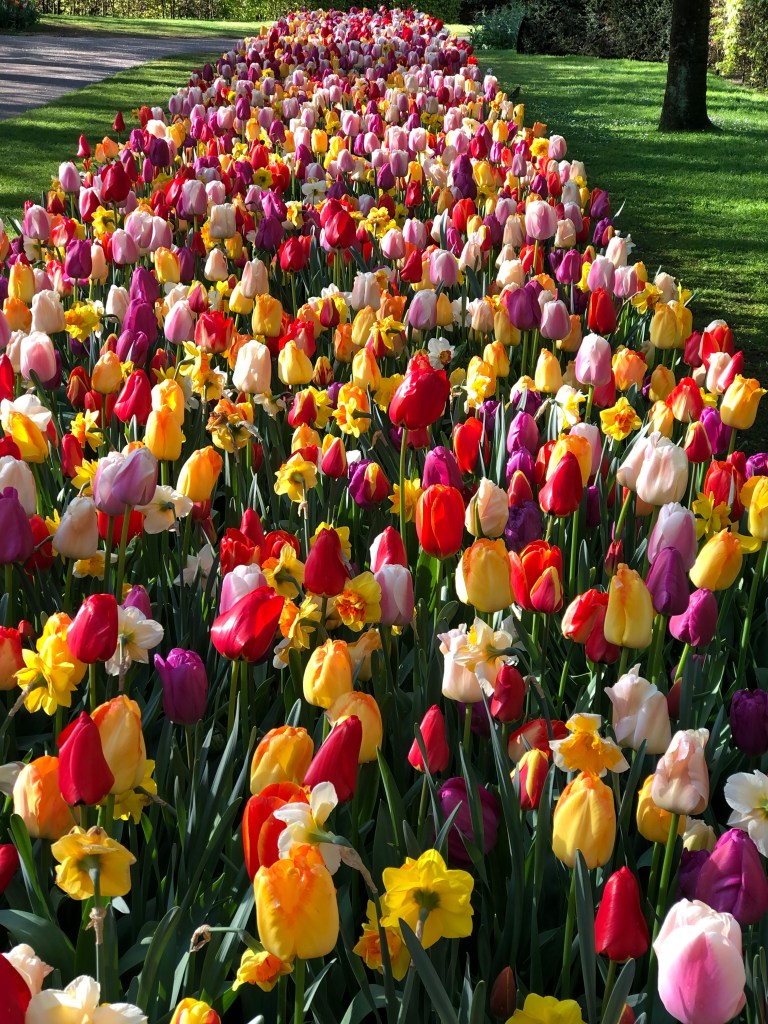
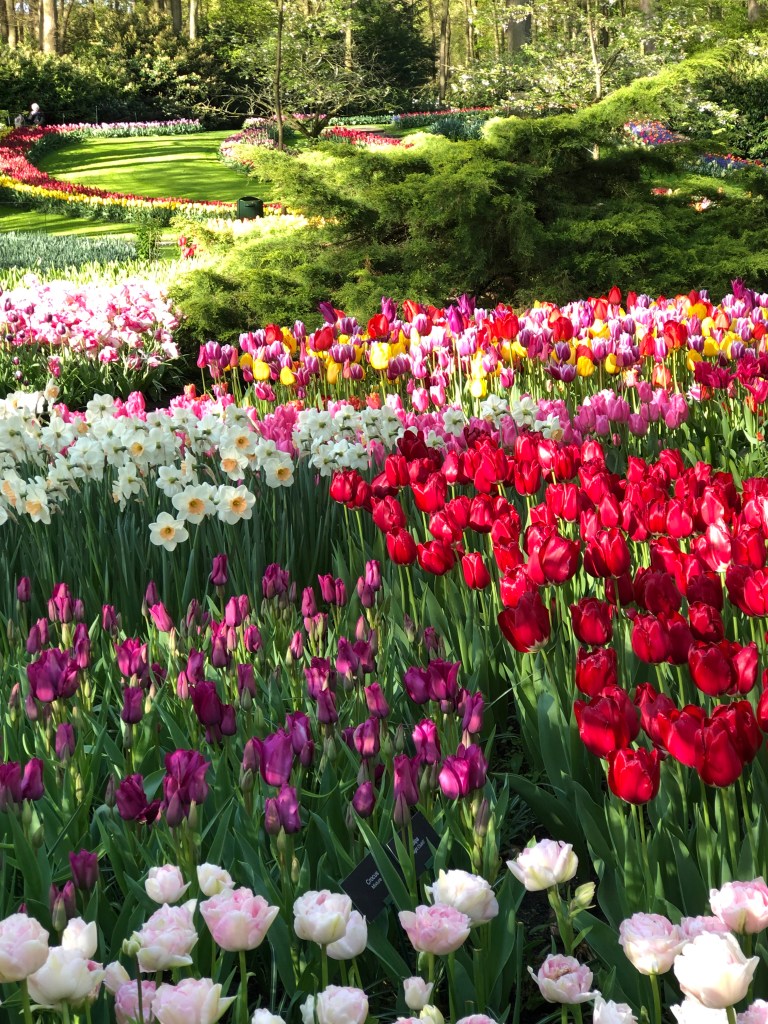
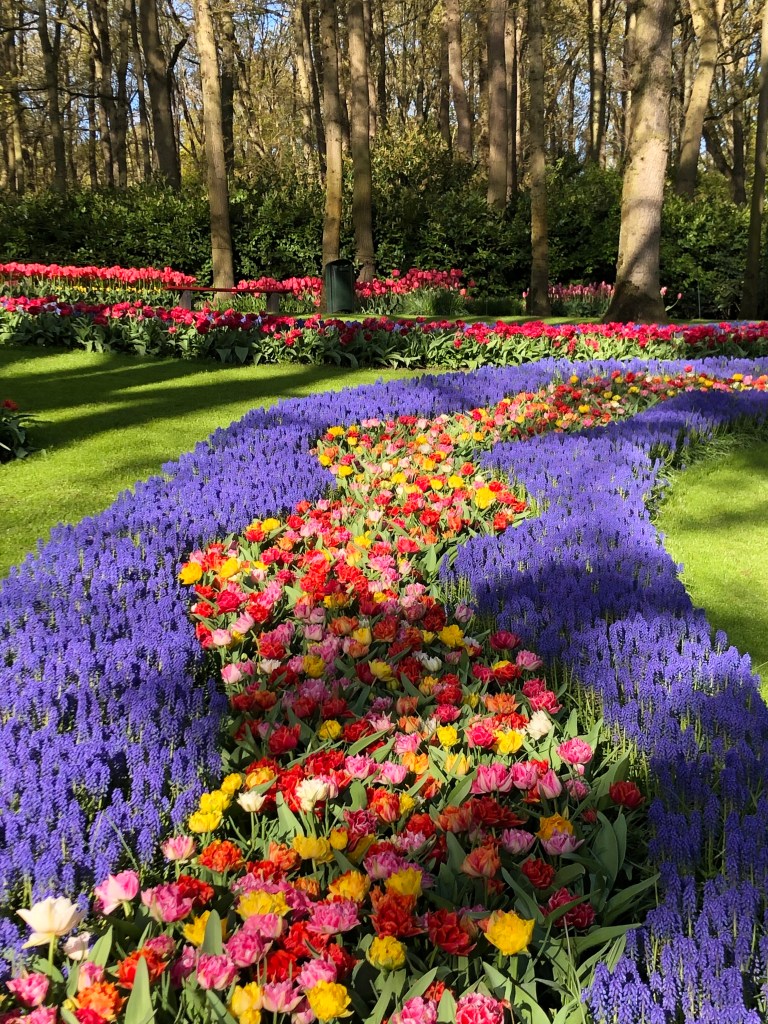
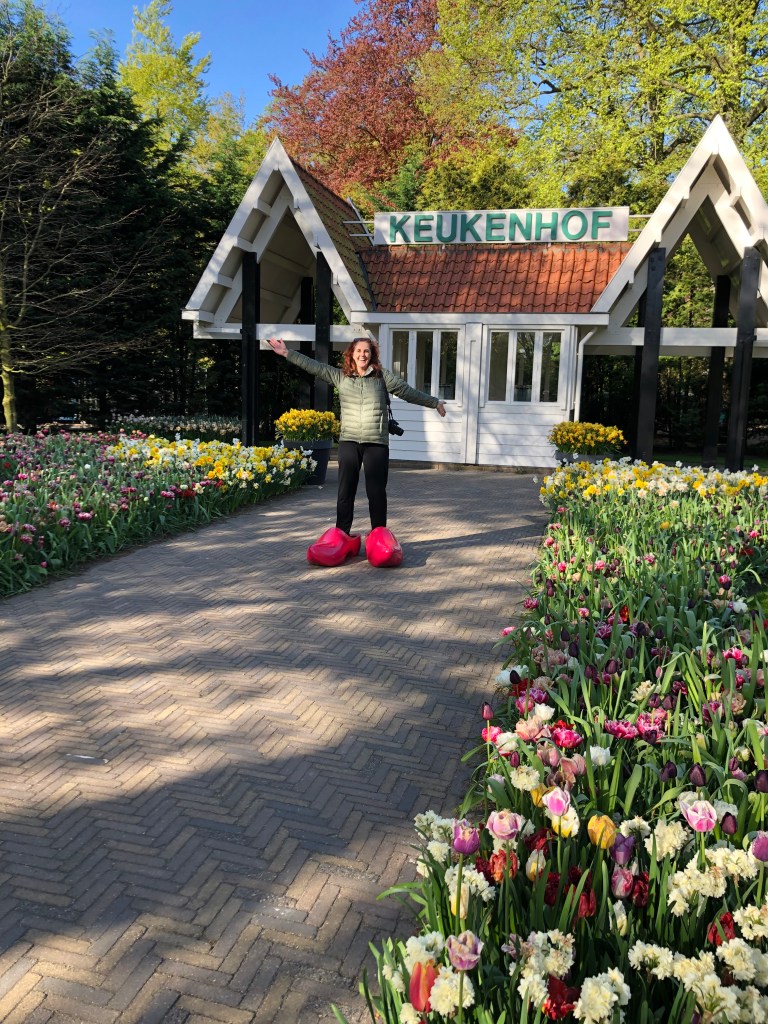
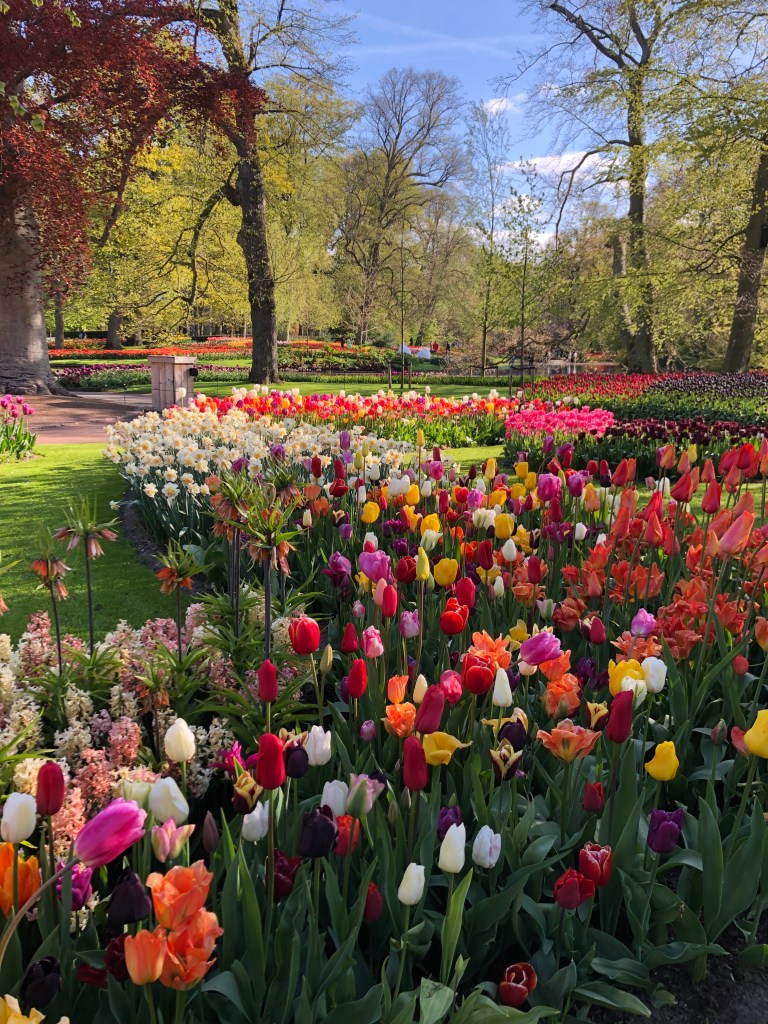
On Wednesday, we visited Keukenhof, the world’s largest tulip and bulb flower festival. We didn’t even know it was on until we arrived but were lucky enough to nab two tickets. Each day, this festival sells out and booking online is the way to go. We arrived at 8.30am when it opened, after a 30-minute bus journey from Amsterdam. The festival is held in 32 hectares of grounds and is the Netherlands’ largest visitor attraction, hosting more than 1 million visitors each year over the eight weeks it is open. More than 7 million tulips, daffodils, hyacinths, lilies and other bulb flowers are on display in stunning gardens. We were very fortunate to be some of the early visitors on the day we went. By 11.30 when we left, the gardens were teaming with people, where early in the morning we were able to see many displays on our own.


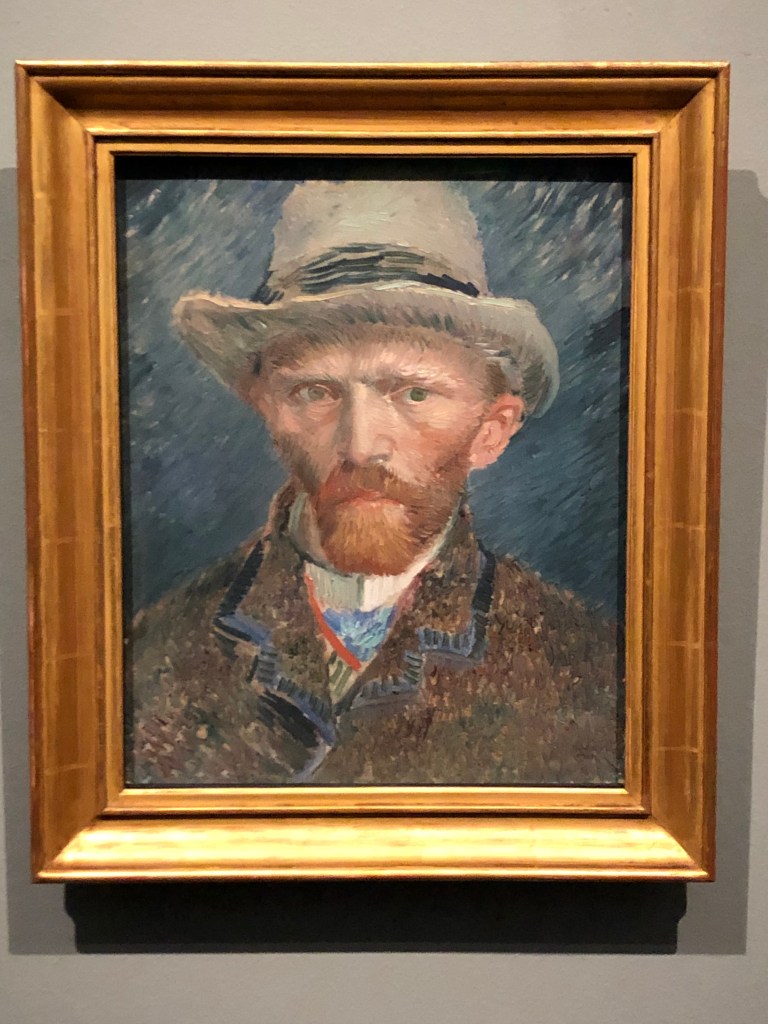
The Rijksmuseum was the main attraction on Thursday. This museum was built to house the nation’s collection of Dutch art and history including 17th century Dutch masters, such as Rembrandt and Vermeer. Due to a major Vermeer exhibition, we again had difficulties booking tickets despite the museum welcoming 9500 people a day. We were lucky enough to be able to gain entry through booking a guided tour at 9.30am for an hour. By booking the tour, we were allowed general entry into the museum for as long as we wished.
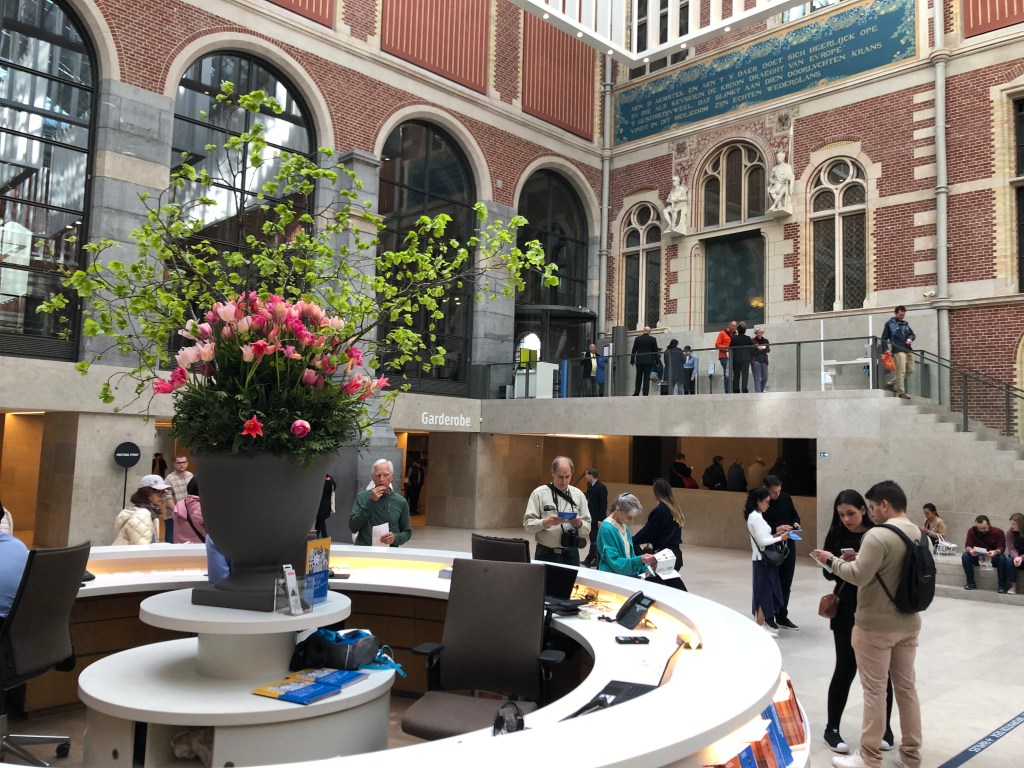
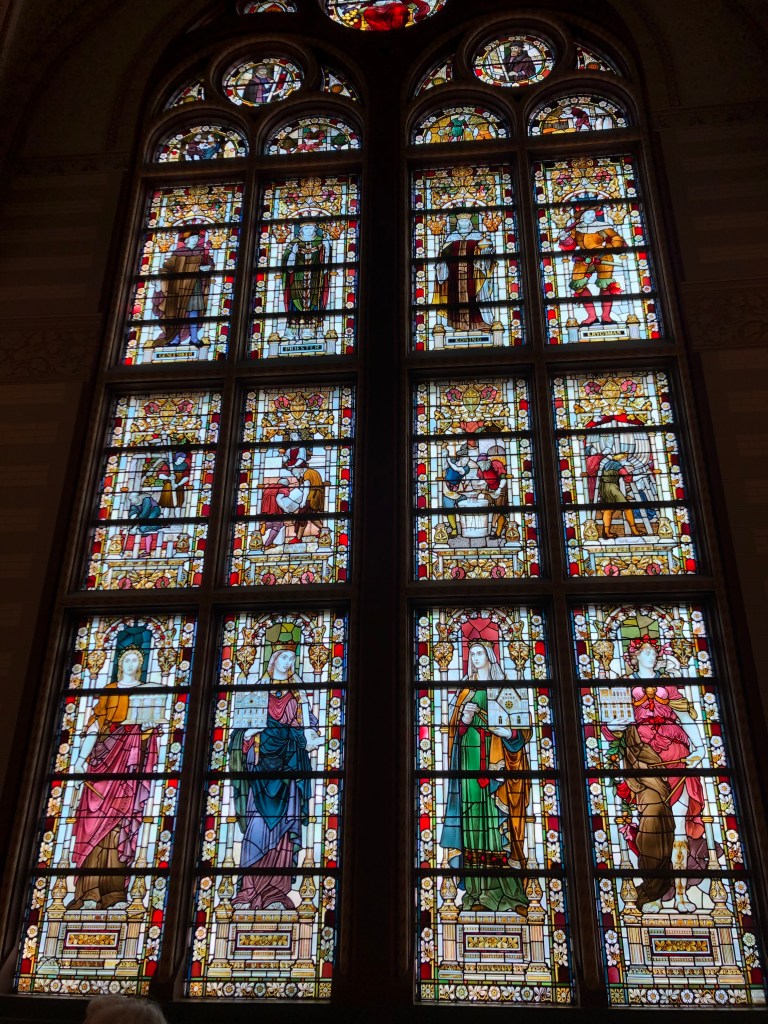
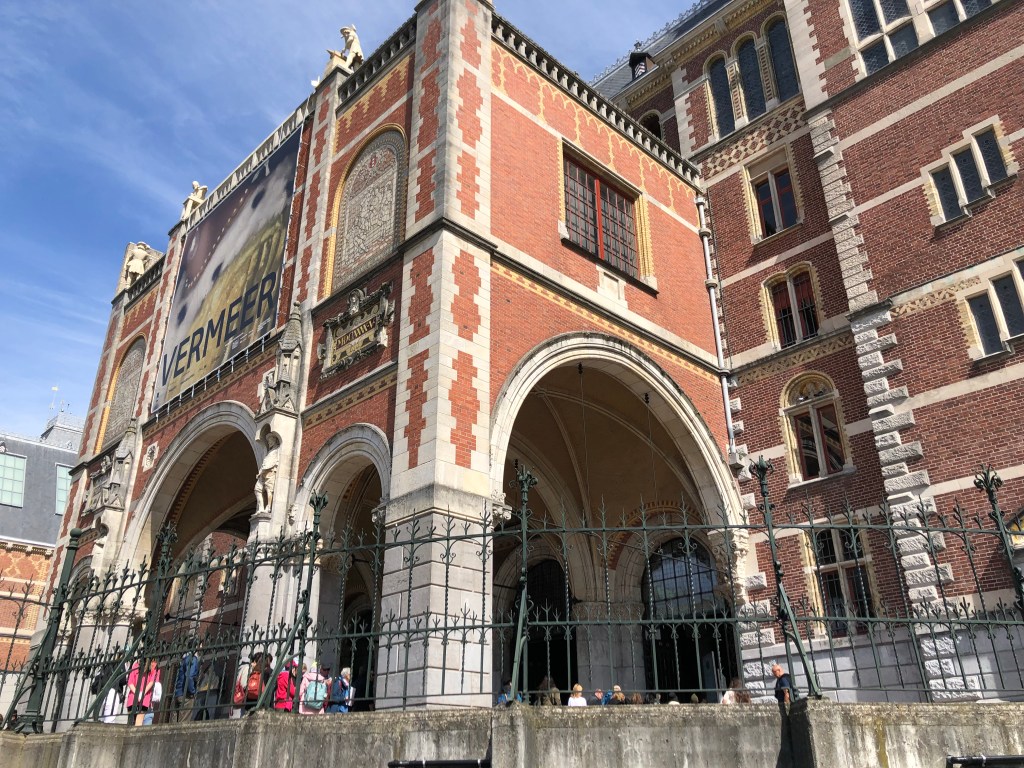

Our tour guide introduced himself to us as Aart, which of course we found ironic. 😊He took us directly to Rembrandt’s Night Watch and there was no one else there to see it. It was magnificent. The famous 400-year-old painting is undergoing conservation so it’s traditional wooden frame has been removed and various diagnostic tests have been undertaken. It has a glass room built around it to keep visitors away from the diagnostic equipment and Aart explained what was happening. He also explained so much about the painting that I never knew – including where Rembrandt hid a self-portrait of himself in the painting instead of a signature.

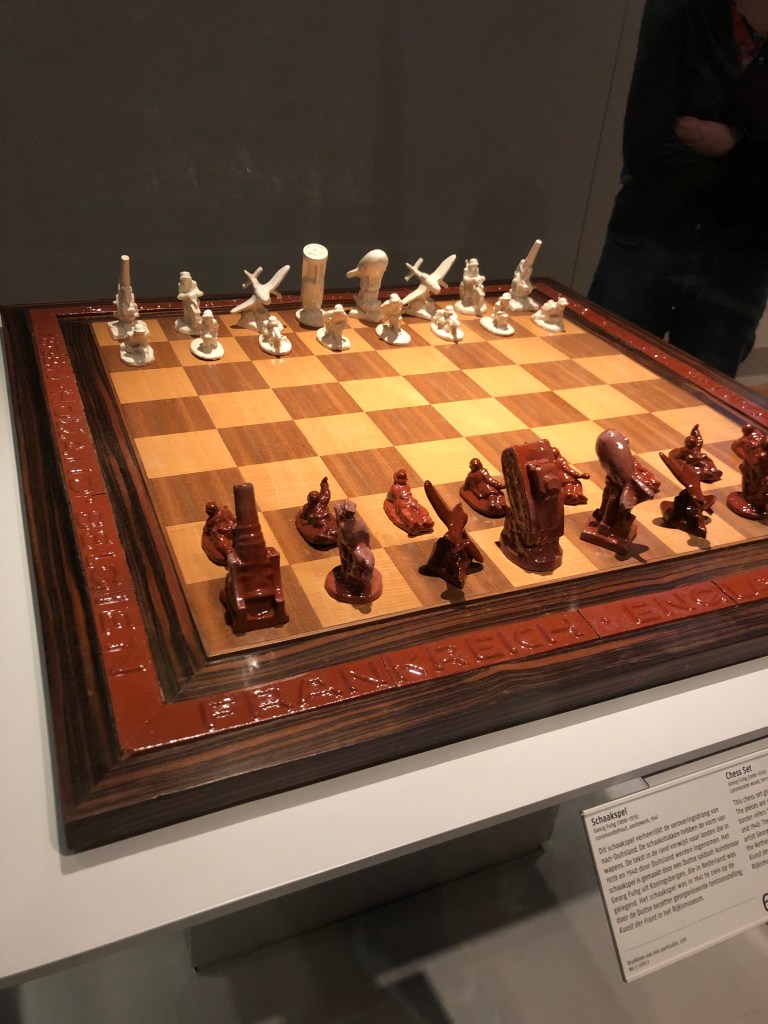
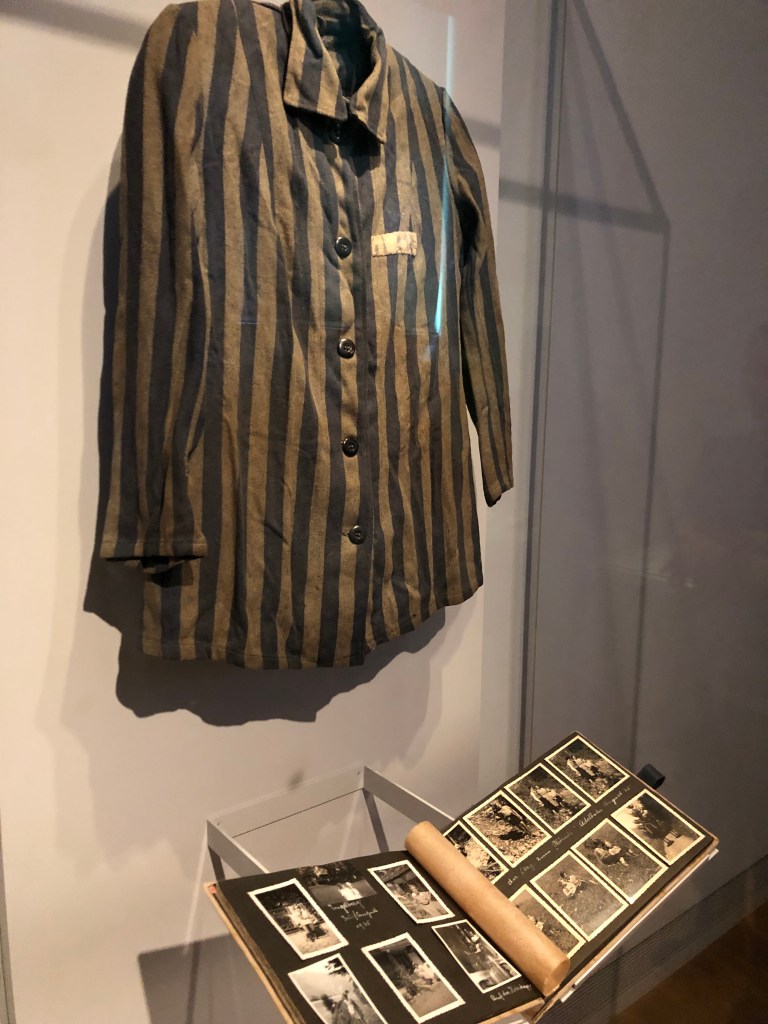
As 4 May is a day of remembrance for the Dutch people, we ended the tour on third floor where artifacts from the 20th century are housed. Aart showed us a chess set that was created by a German soldier who was stationed in the Netherlands. Each piece is shaped like weapons and the text in the border refers to countries occupied by Germany in 1939 and 1940. We also saw the Wachenheimer Family Photo Album and Isabel Wachenheimer’s concentration camp coat that she wore at Lenzing-Pettighofen concentration camp in Austria. She was transferred there from Auschwitz in October 1944. Isabel survived the war but her family were killed at Auschwitz.
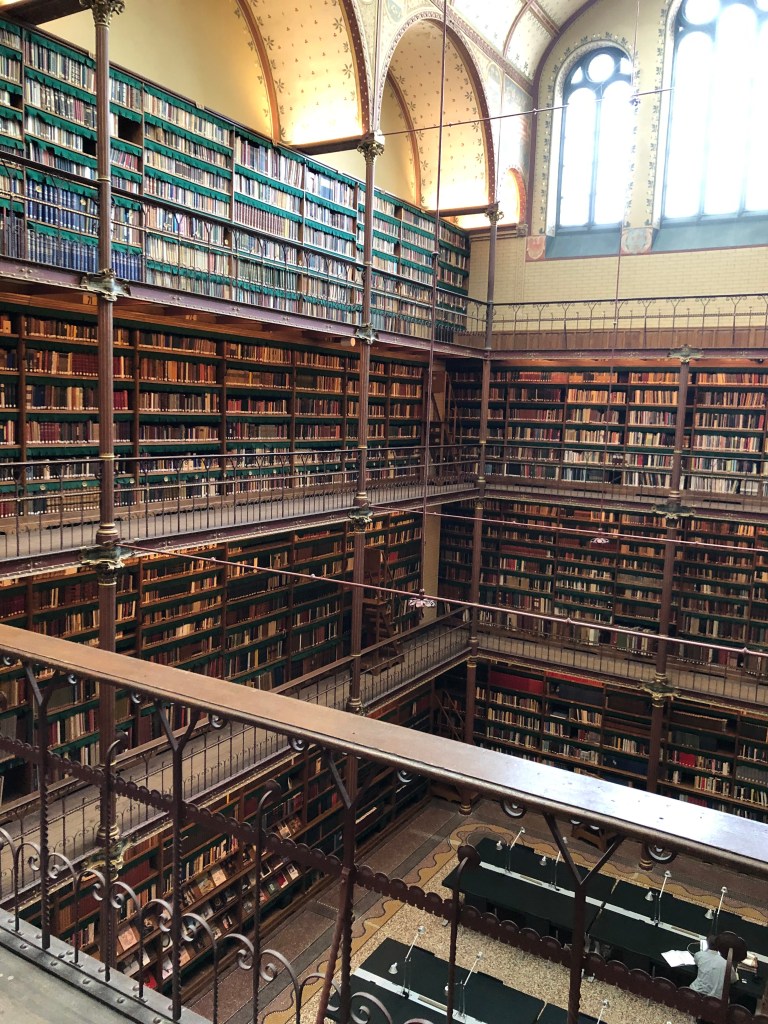
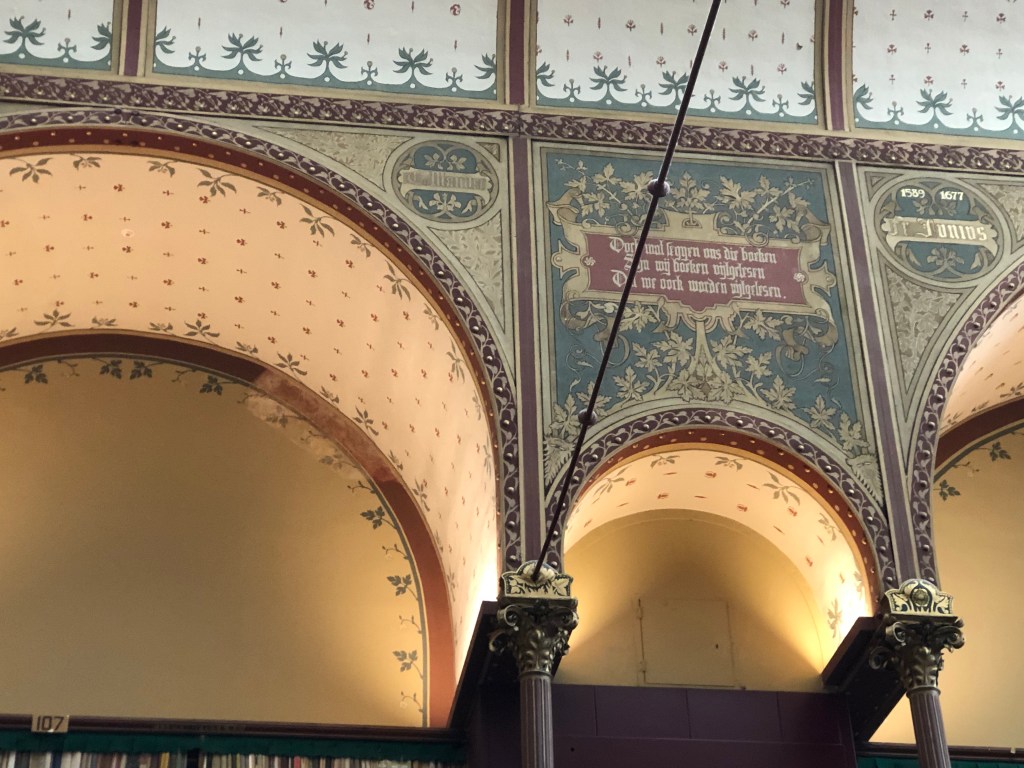
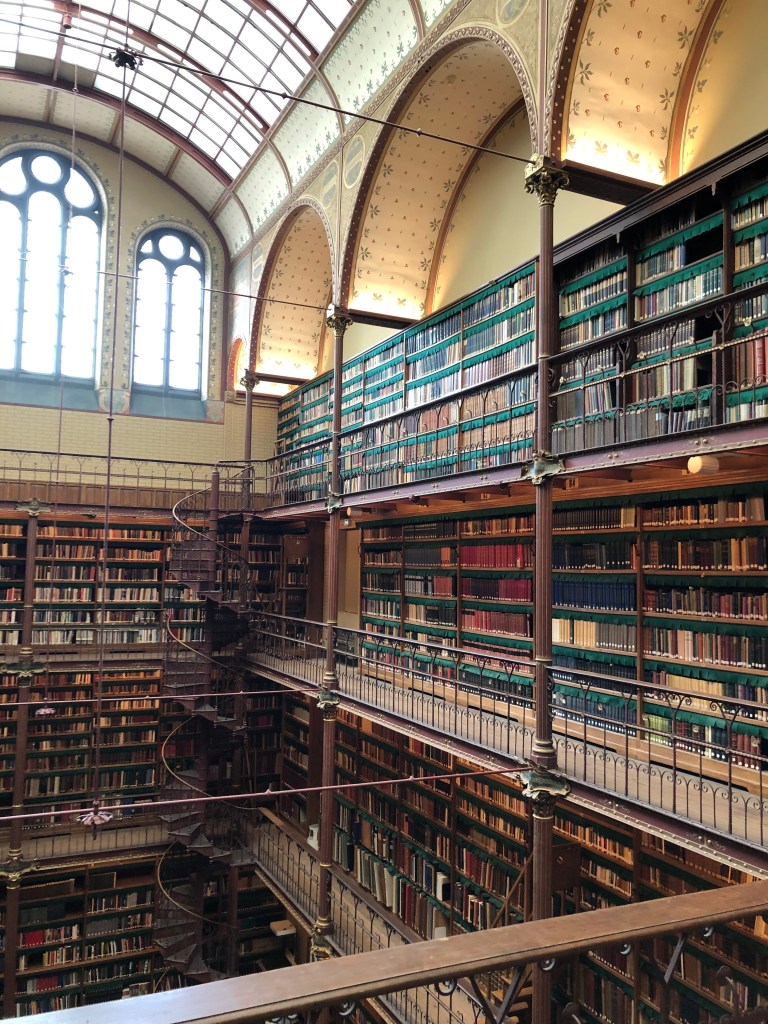
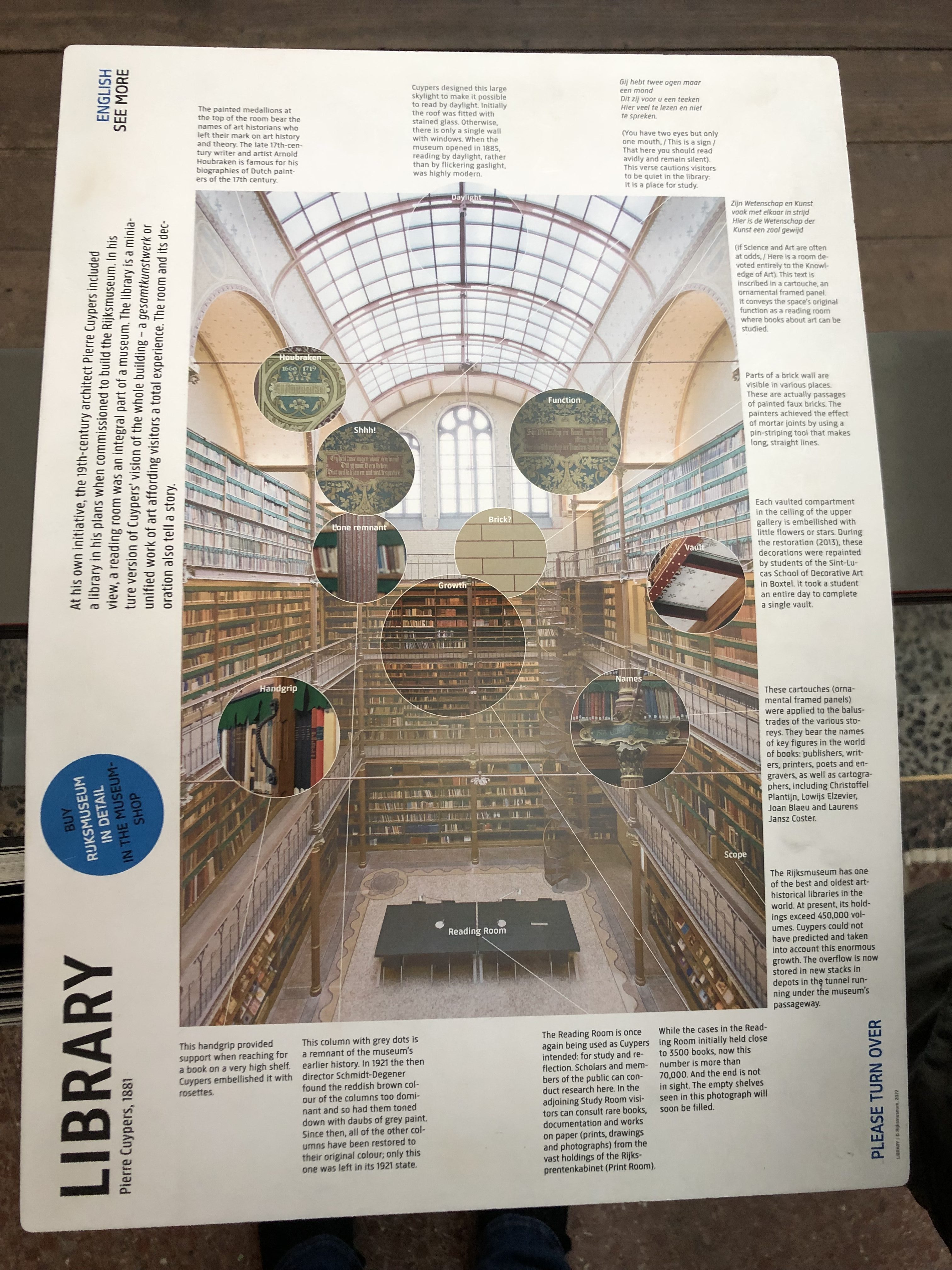
We wandered through the rest of the museum on our own. One of my highlights were the museum’s library, (the motto on the wall reads ‘Gij hebt twee orgen maar een mond. Dit zij voor u een teeken. Hier veel te lezen en niet te spreken.’ (You have two eyes but only one mouth. This is a sign. That here you should read avidly and remain silent.))
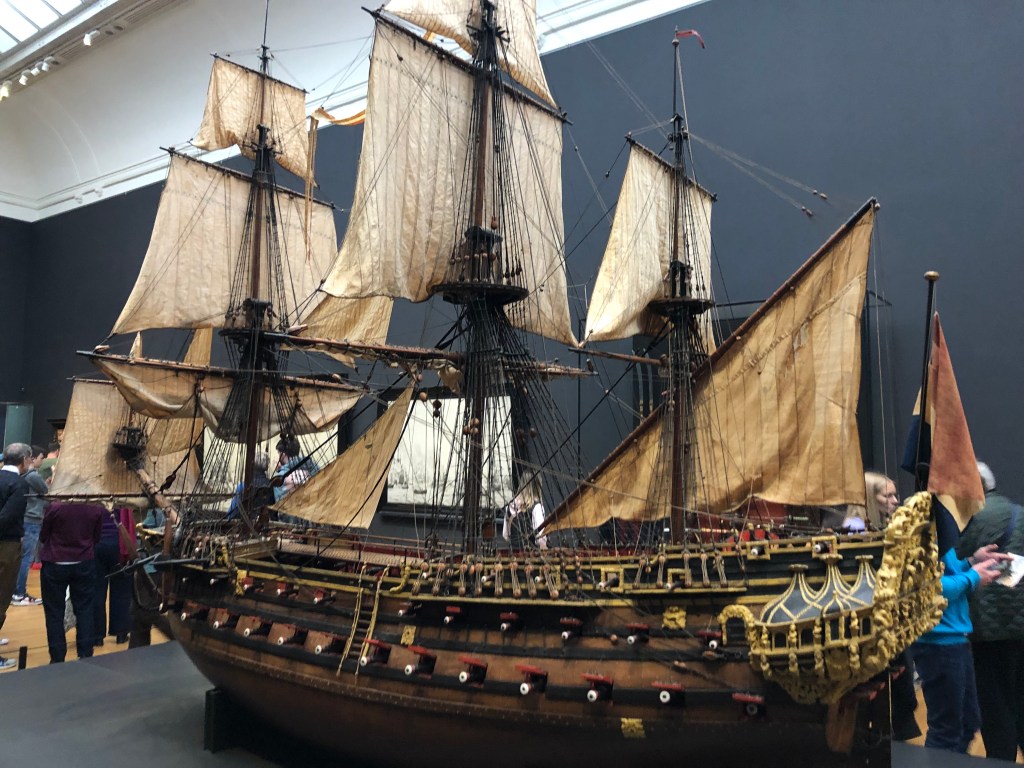
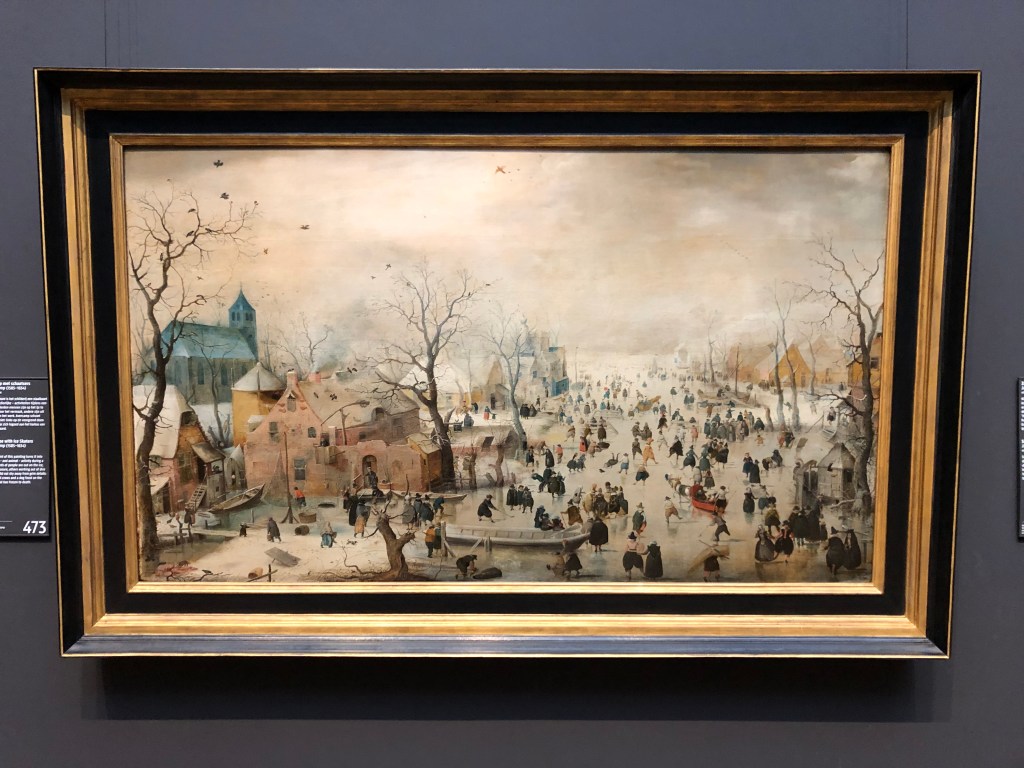
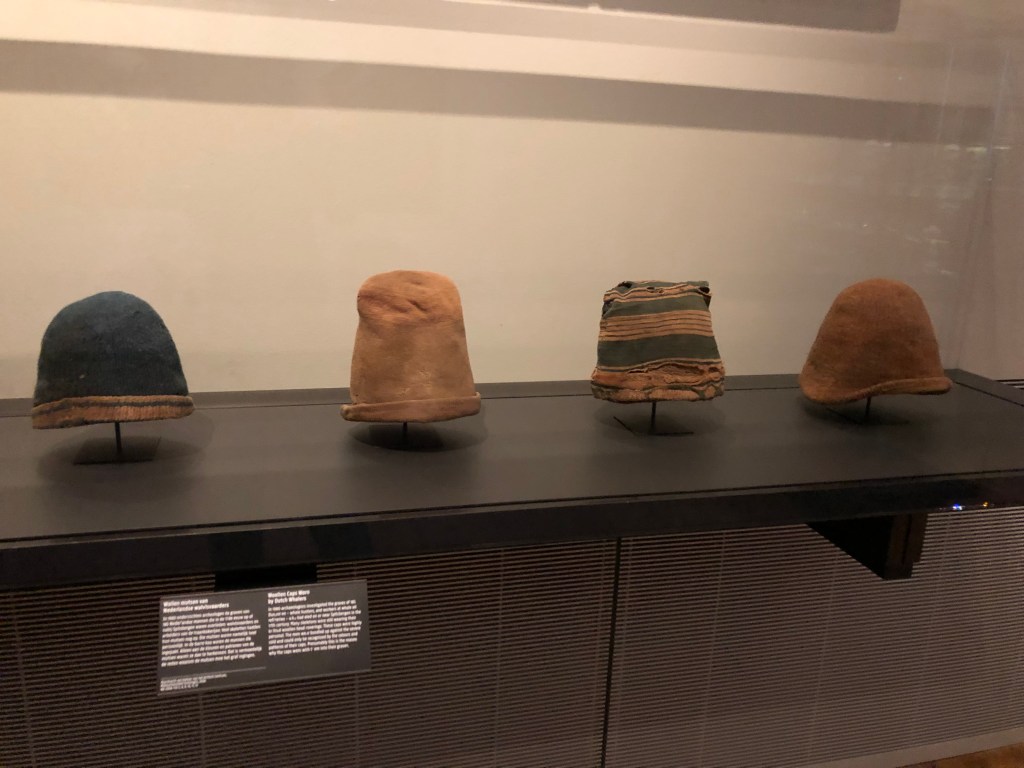
I also loved Winter Landscape with Skaters by Hendrick Avercamp, c. 1608 and these woollen caps worn by Dutch whalers who had died in the 17th century. Archaeologists investigated the graves of 185 Dutch whale hunters who died on or near Spitsbergen in the 17th century. Many skeletons were still wearing their knitted woollen head coverings. The men were bundled up against the severe cold and could only be recognised by the colours and patterns of their caps and the scientists believe that is why the caps went with them to their graves. As a keen knitter of woollen caps, I found this story heart-warming knowing someone who loved each of these men had knitted their caps.

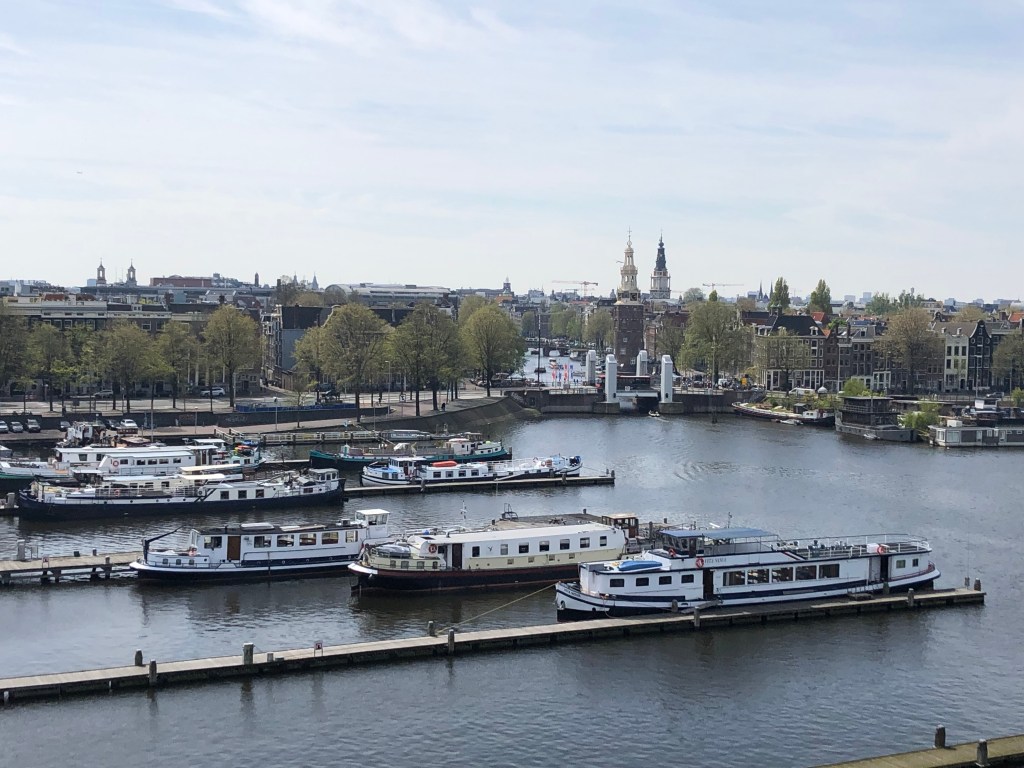
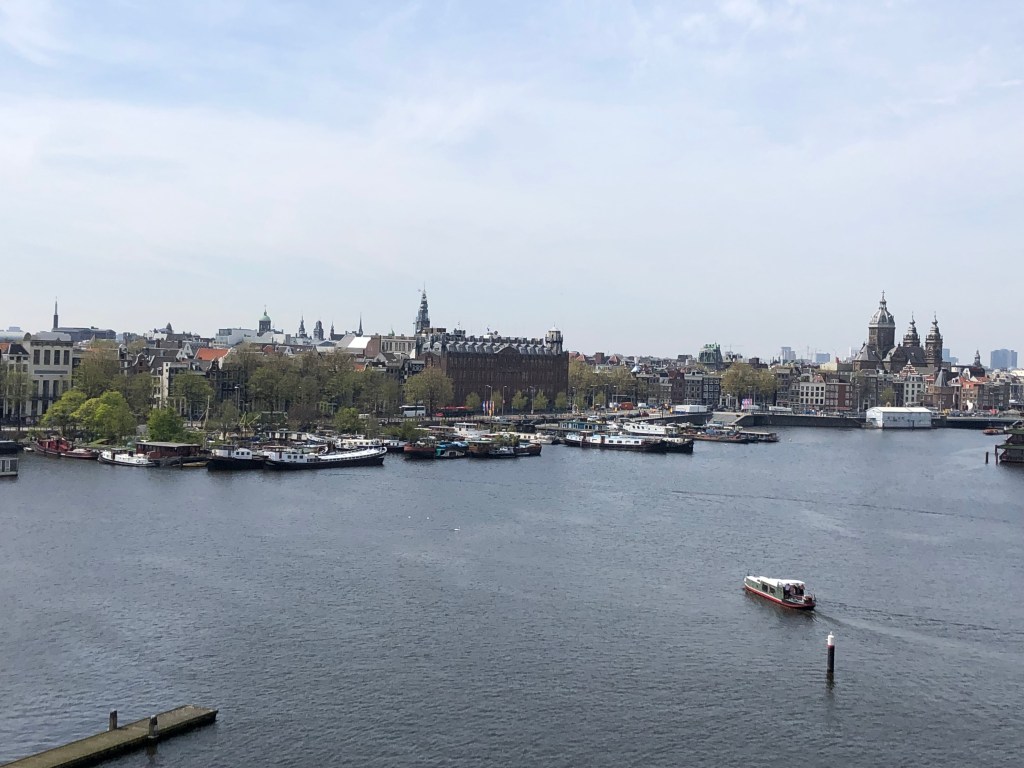
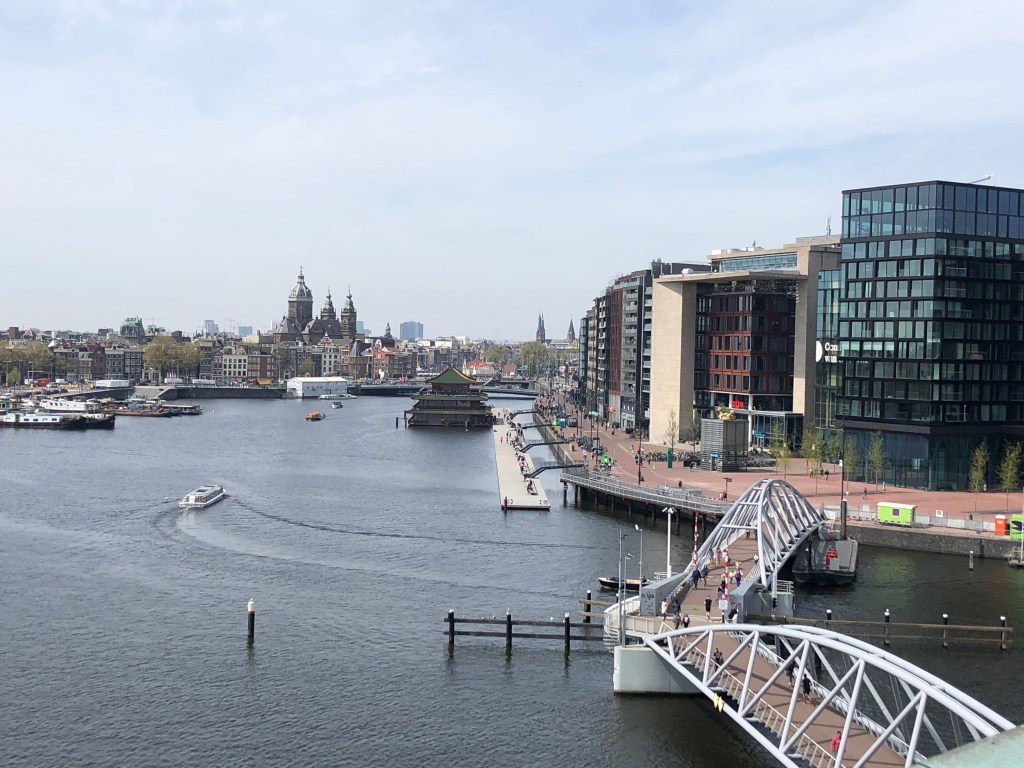
After we had our fill of Dutch culture, we visited the roof of the NEMO Science Museum. The museum is aimed at young children (much to the disappointment of my 18 year old daughter), but you can take the lift to the roof for free and get the best view out over the city.
We rounded out our day with a walk through Vondelpark, a wonderful inner city natural space. Since it was one of the first really warm days of Spring, it seemed most of Amsterdam was there sunning themselves, having picnics or walking their dogs.
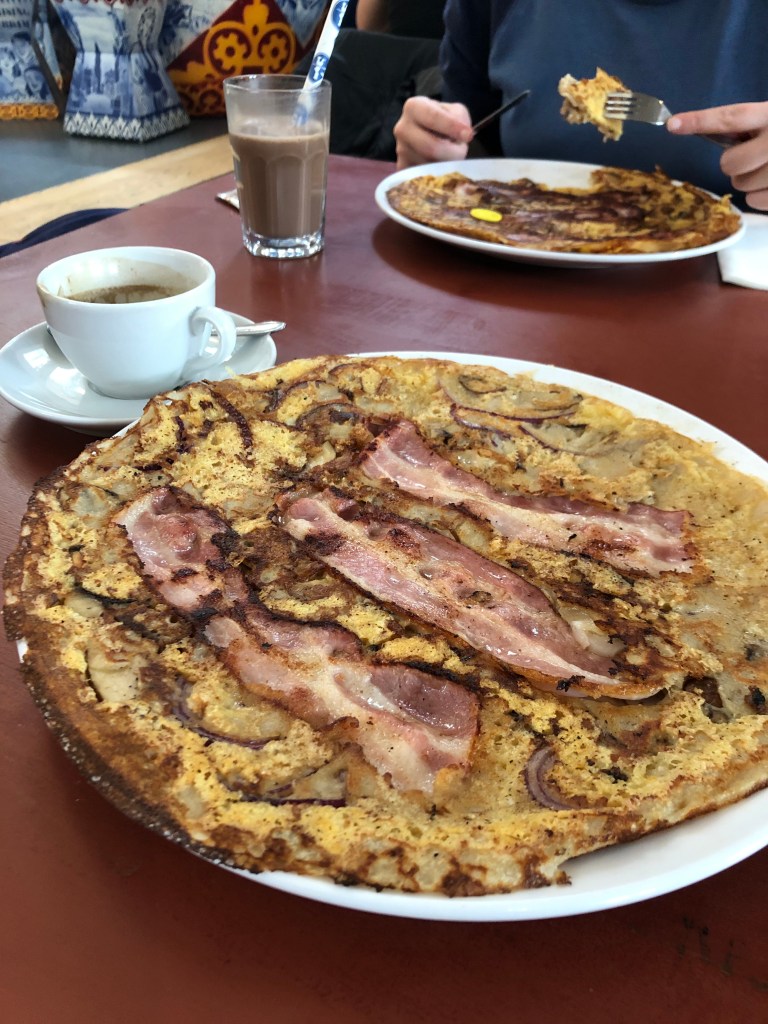
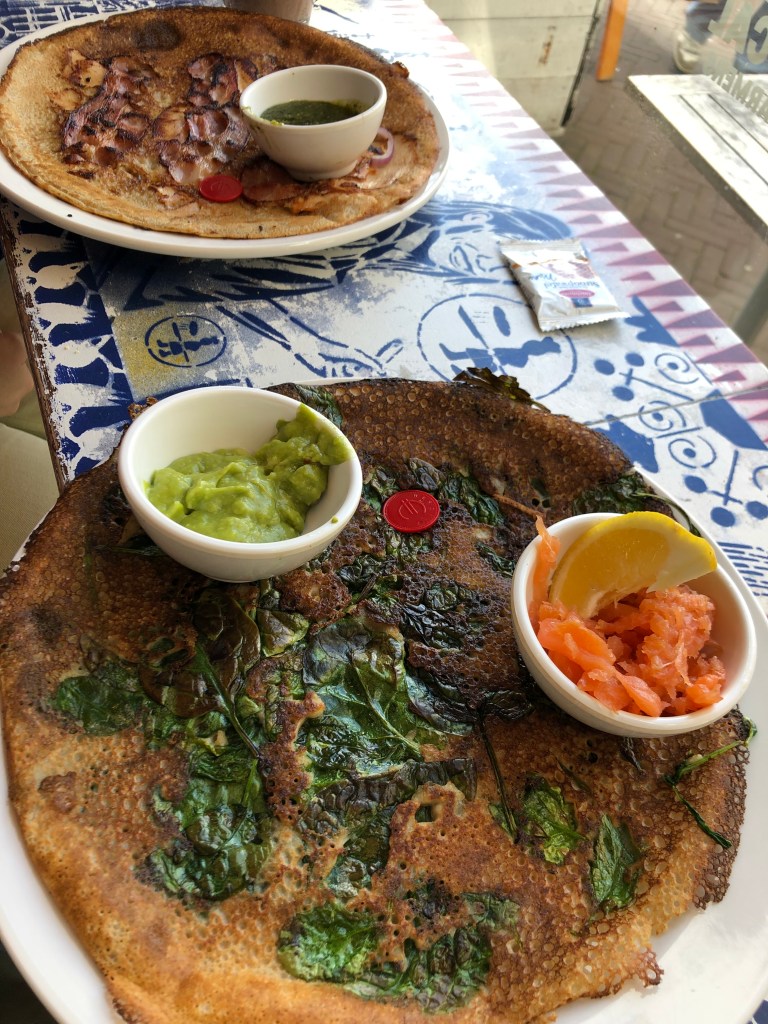
Anyone who reads this blog regularly knows, especially if you read the posts about my travel, I can sometimes struggle with food as I have coeliac disease and must eat gluten free. In Amsterdam, it took some sleuthing but I was able to enjoy almost all of the famous treats the city is known for. Our first stop after arrival was PANCAKES Amsterdam where they take gluten free seriously. These are French style pancakes, rather than American style pancakes – very thin and come in both savoury and sweet versions. We each tried a bacon, mushroom, onion and cheese pancake and it was almost more than I could finish! But it was so delicious that the next day we ended up at a different PANCAKES Amsterdam (they have three venues across the city). This time I ordered spinach, smoked salmon, guacamole and lemon. It was perfection and I think it will become my new favourite when I get home.
Three nights we cooked dinner at ‘home’. Which meant going to the supermarket and exploring what new and different things we could find. We were able to find a decent selection of gluten free items as well as lavender tea, hazelnut and white chocolate spread and a huge range of salamis which thrilled my salami loving daughter. Her favourite choice was a green olive coated salami stick.
Near the zoo, we discovered De Glutenvrij Winkel, a bakery and shop dedicated to gluten free items. As soon as we walked in, we were won over by the smell of apple strudel and stroopwafels. Stroopwafels, or literally syrup waffles, are a thin, round waffle cookie made from two layers of sweet baked dough held together by caramel filling. This bakery made their own gluten free ones and they were heavenly. We left with a package of stroopwafels, some almond and berry cake, bread and apple strudel. Delicious!
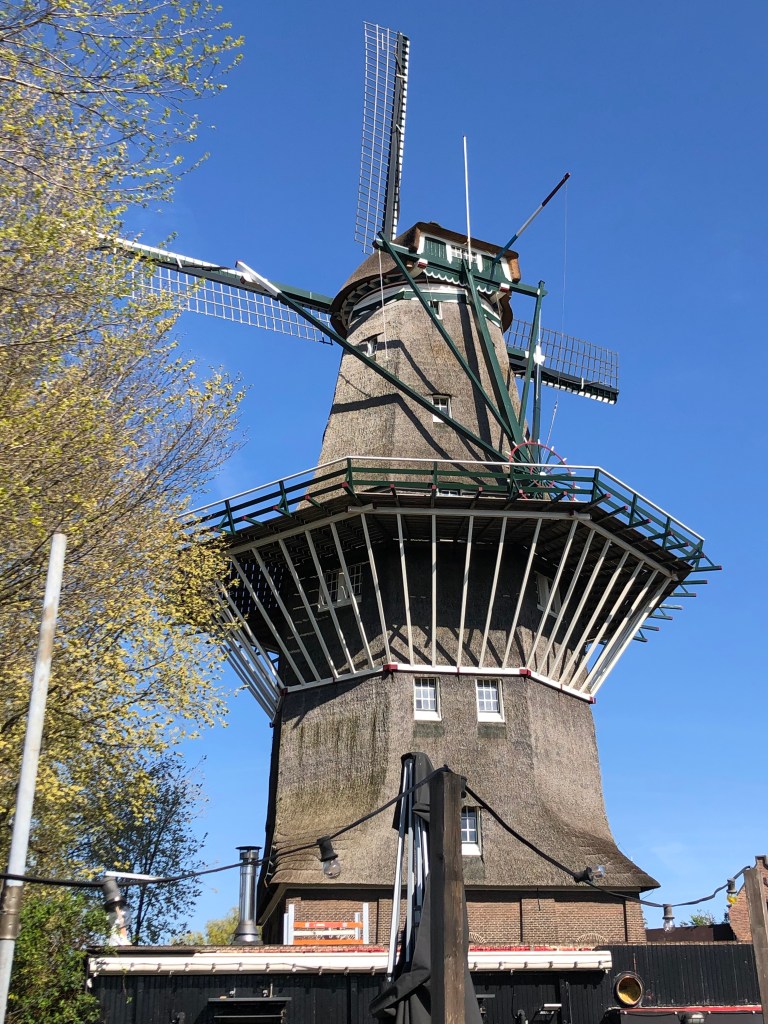
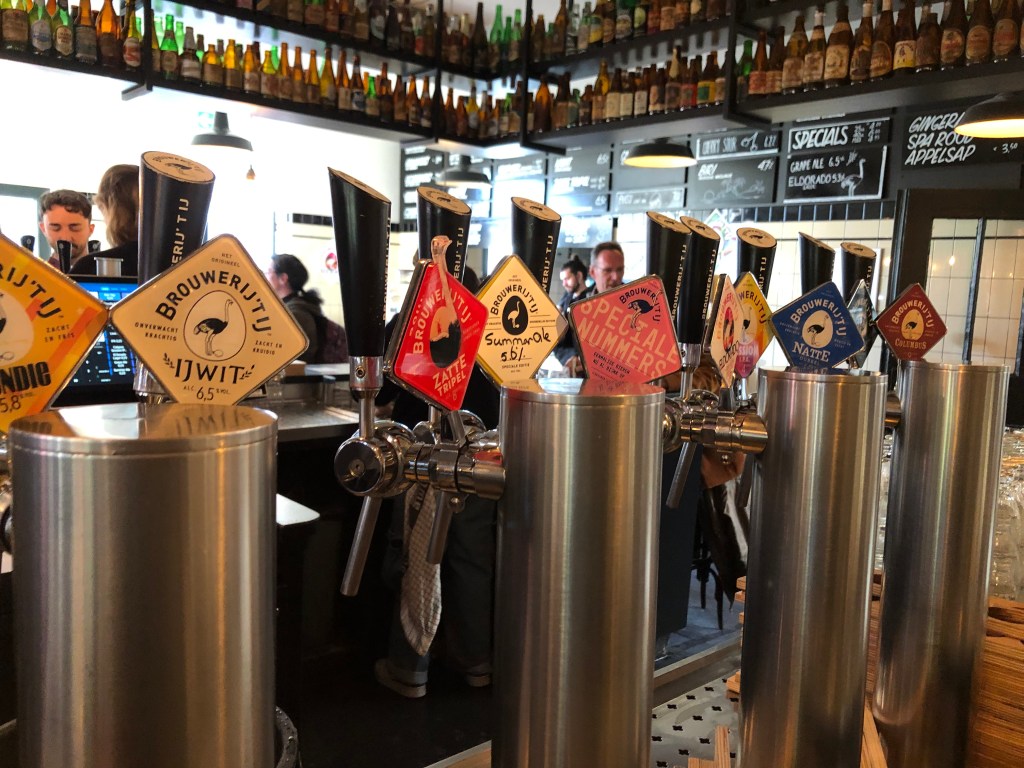
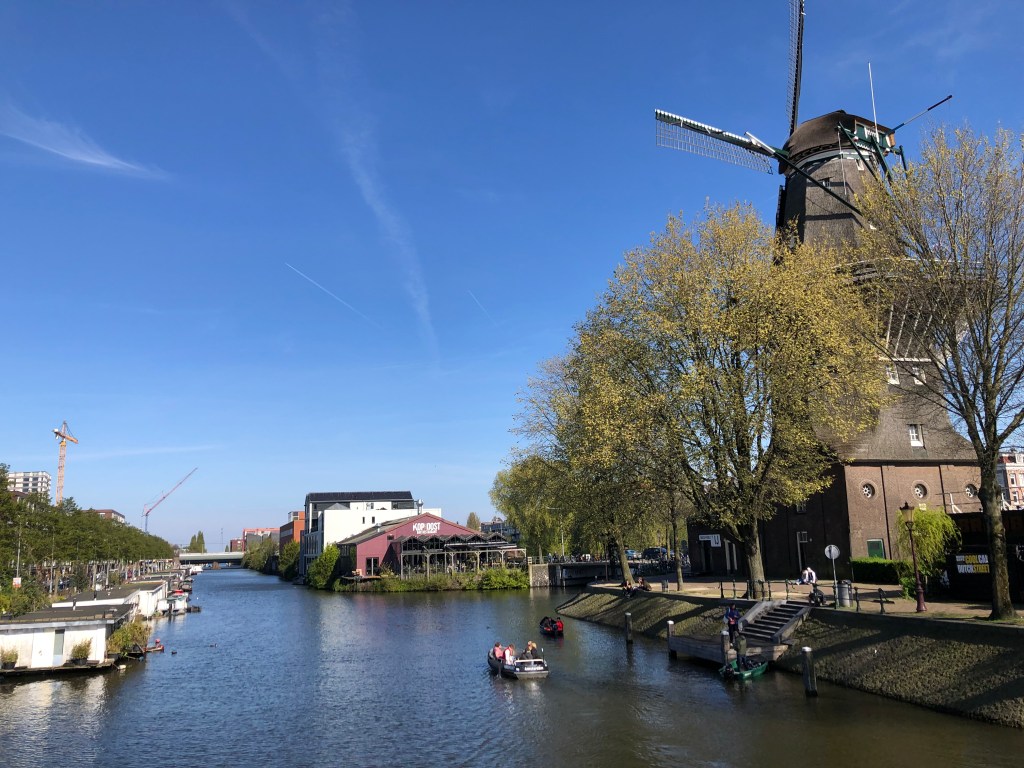
One evening we met up with old friends of ours from Canberra who happened to also be in Amsterdam. We met at Amsterdam’s largest windmill, Windmill DeGooyer, which is still a working corn mill. Its’ base is home to Brouwerij Brewery and Taproom.

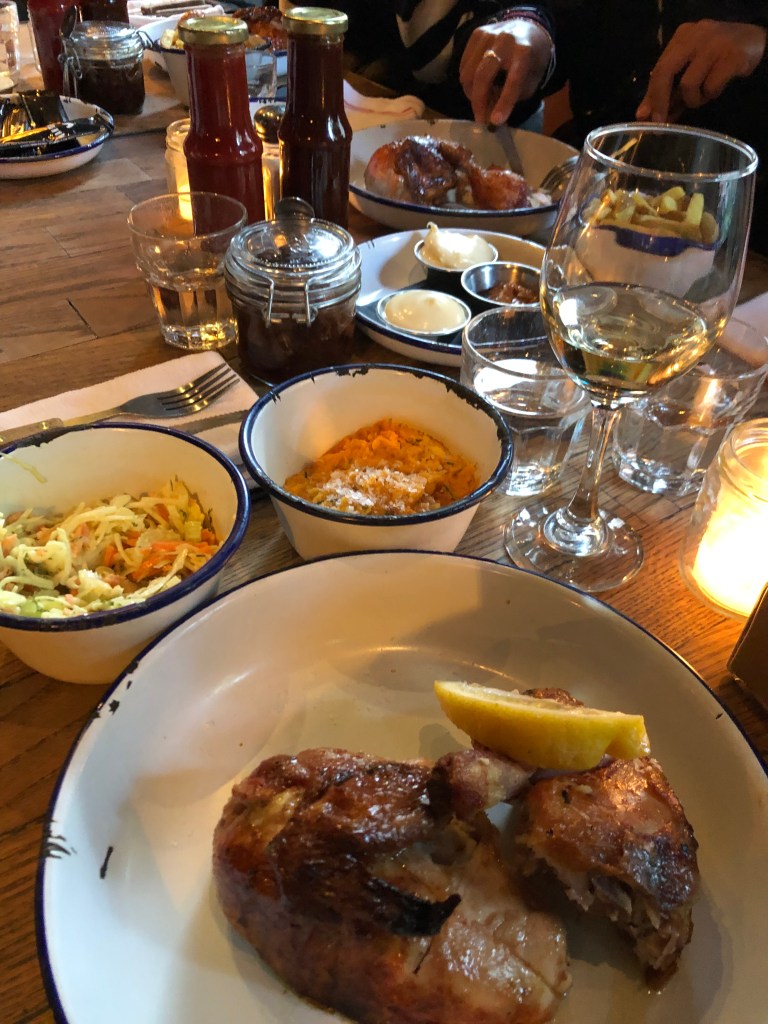
After a quick drink and catch up about our mutual travels we moved on to Van‘t Spit, a restaurant dedicated to perfectly roasted chicken. This restaurant is off the beaten path and we were the only tourists there. It was packed with local people, so we figured it would be good. The smell that hits you when you open the door makes your mouth water. It is a mix of wood-smoke, roast chicken and just plain deliciousness. Patrons order either a ½ chicken or whole spit roasted chicken and then individual side dishes: chips, sweet potato mash, applesauce, coleslaw or green salad. For something so simple, we all agreed it was one of our favourite meals. In fact, my daughter proclaimed it was the best chicken she’s ever had in her life and she will spend the rest of her life dreaming about it. It was delightful to see old friends and have dinner with them, just like we do in Canberra, except it was in Amsterdam.

Thursday, we had lunch at Croque Madame, a dedicated gluten free hole-in-the-wall in the centre of the red light district. Again, the food was amazing – just hamburgers, but handmade and cooked to perfection, medium-rare. This was not McDonalds!
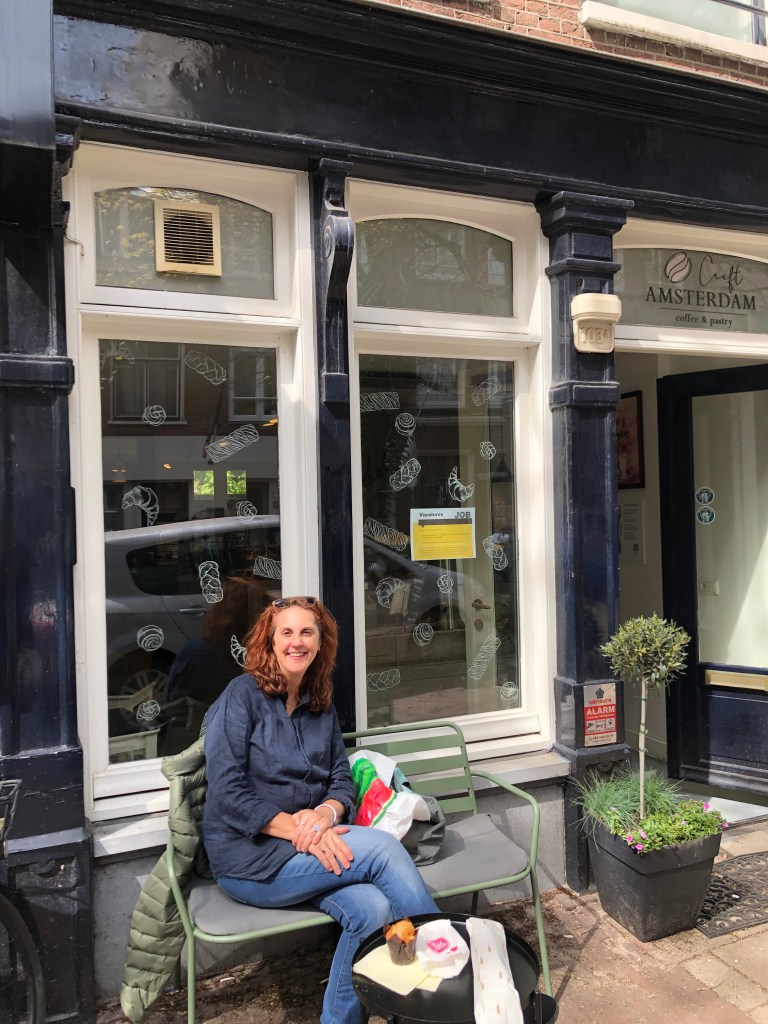
We finally got to Craft Amsterdam on Thursday afternoon. This is a dedicated gluten-free bakery in the de Pijp area of Amsterdam. They had been closed on Monday and Tuesday so it was our first and only chance to try their baked goods. As soon as we walked in, we started talking to the owners, a husband and wife who had started the bakery because the husband was diagnosed with coeliac disease. He took a bread roll from the display, broke it in half and gave us each half to try. He asked if we’d ever had better gluten free bread. We seriously hadn’t. It tasted like it was full of gluten and we were both shocked by how delicious it was. Even my daughter, who has had bread with gluten more recently than me, said it was better than gluten full bread. We walked out with Gevulde Koeken (almond paste cookies), a cinnamon muffin, and baguette and chocolate croissants for our train journey to Paris the next day. We were both so happy to have been able to find this little place and give them our business. Now if I could just get them to open a branch in Canberra!
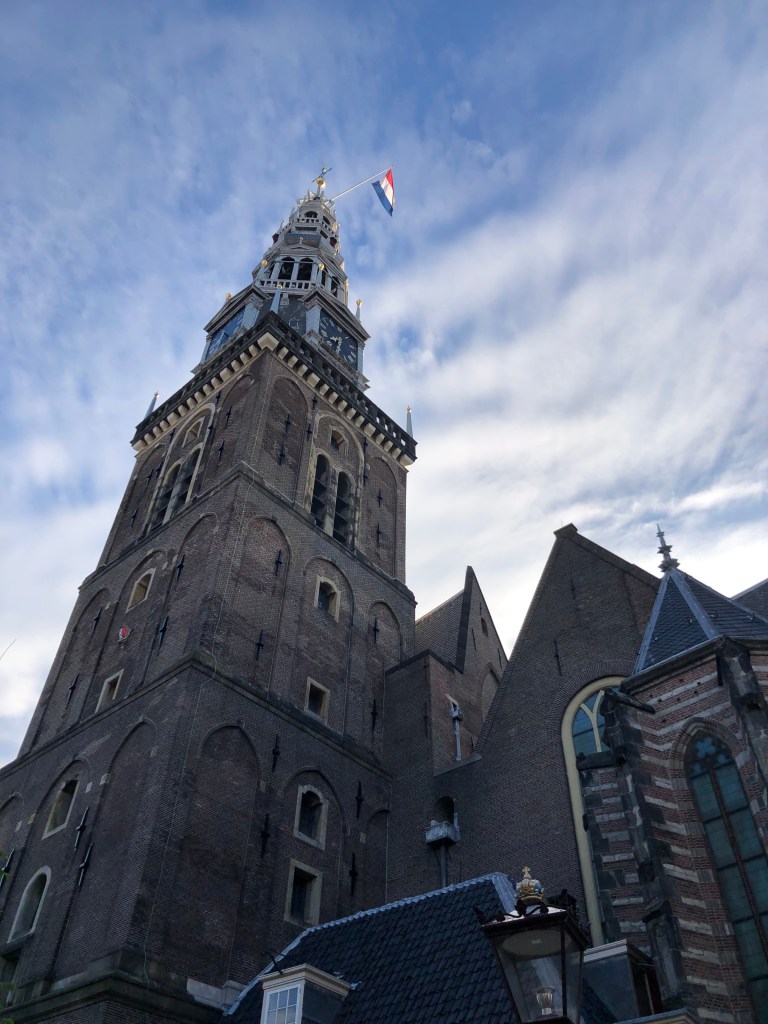
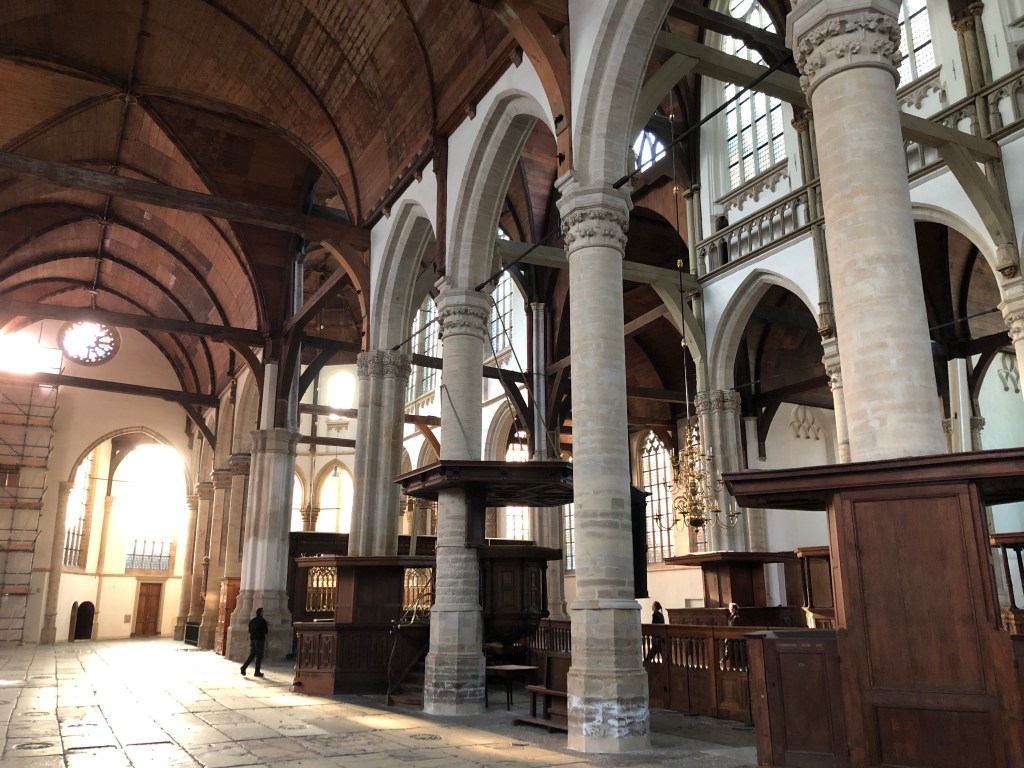
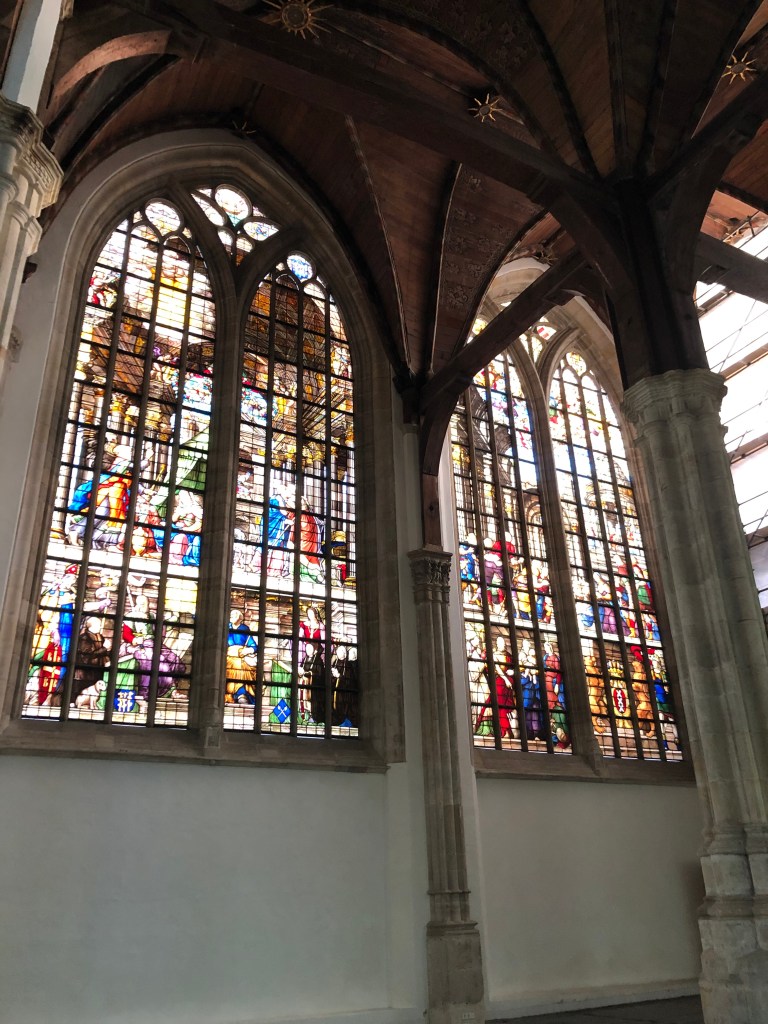
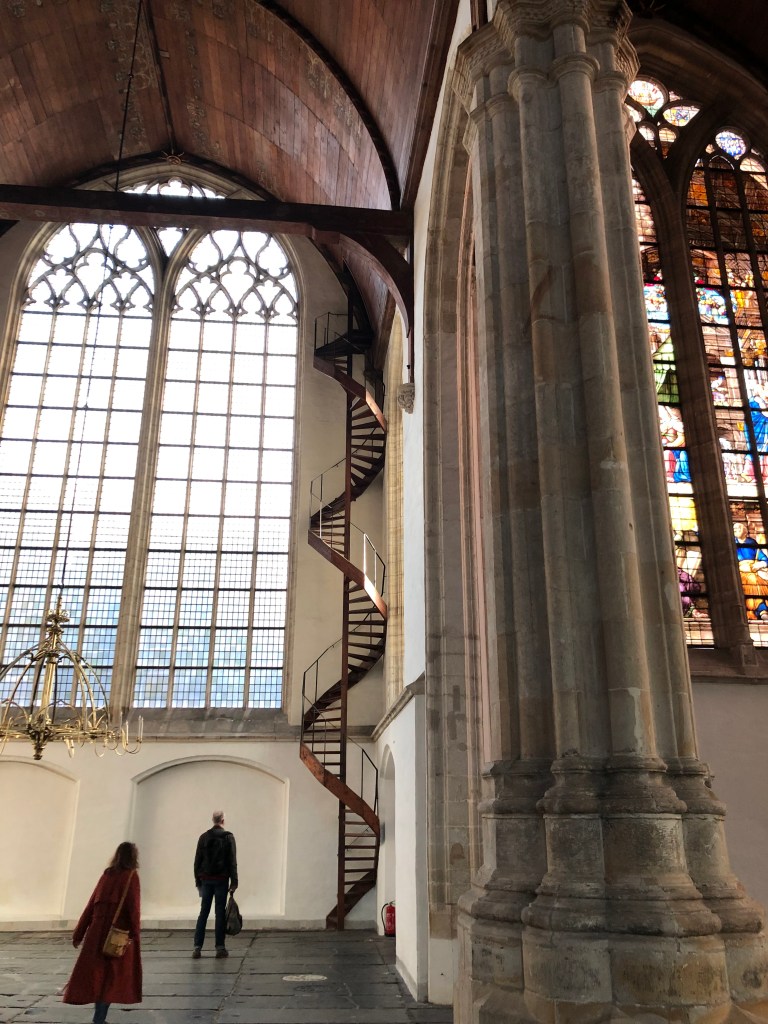
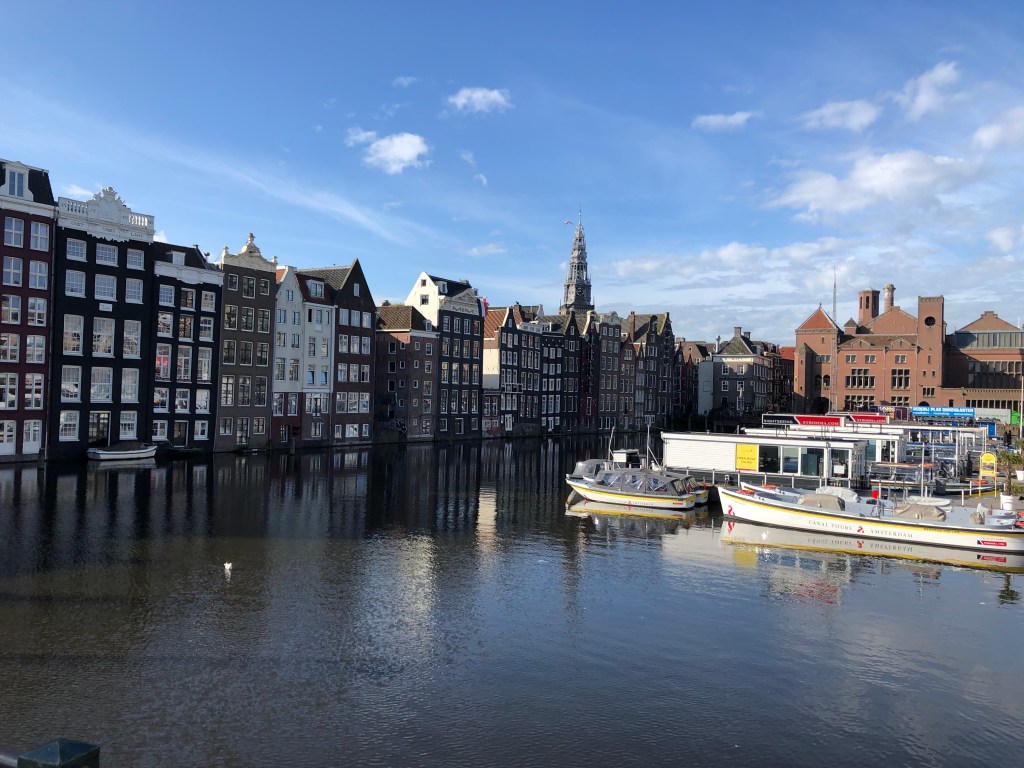
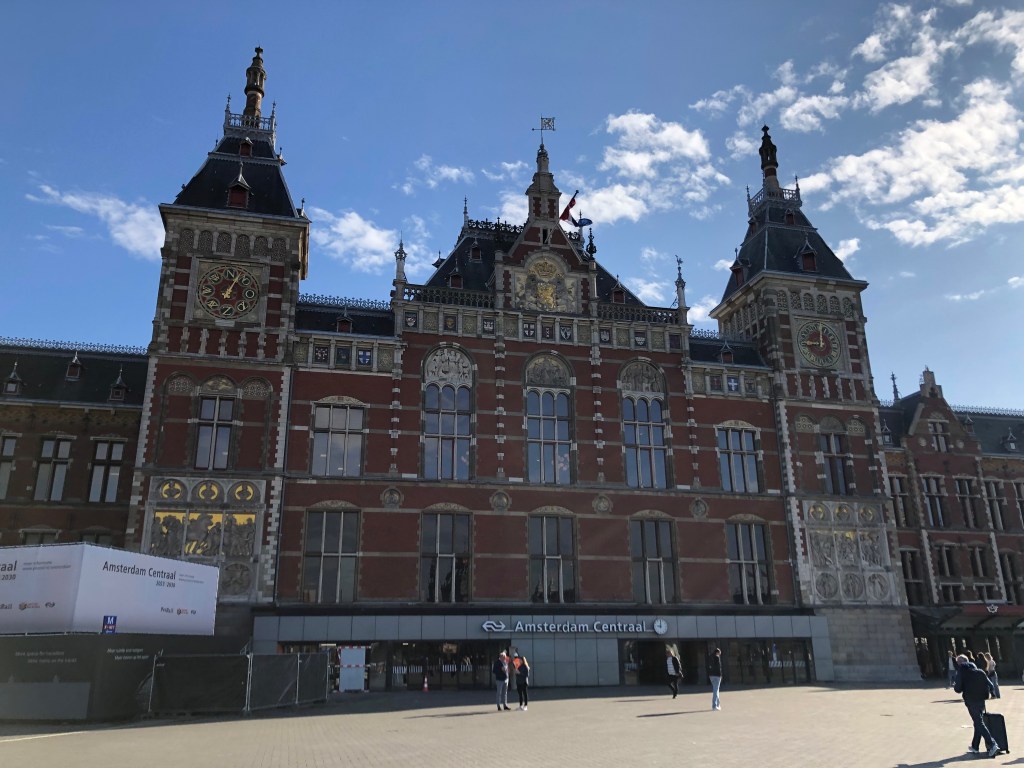
On our last morning we had one more adventure before departing for Paris. We dropped our bags off at Centraal Station at 7am and then wandered the inner-city canals before attending a string quartet concert at the Oude Kerk, a 13th century church and the oldest building in Amsterdam, set in the middle of the red light district. The church was built on a graveyard and its’ floor consists completely of gravestones.
It was a magical morning concert to mark Liberation Day by the illustrious Alma Quartet. The string quartet played pieces by composers Henri Dutilleux (Ainsi La Nuit), Claude Debussy (an arrangement of his famous Clair de Lune) and Joseph Haydn, his “sunrise” quartet (opus 76) which marked the symbolic transition from darkness to light.


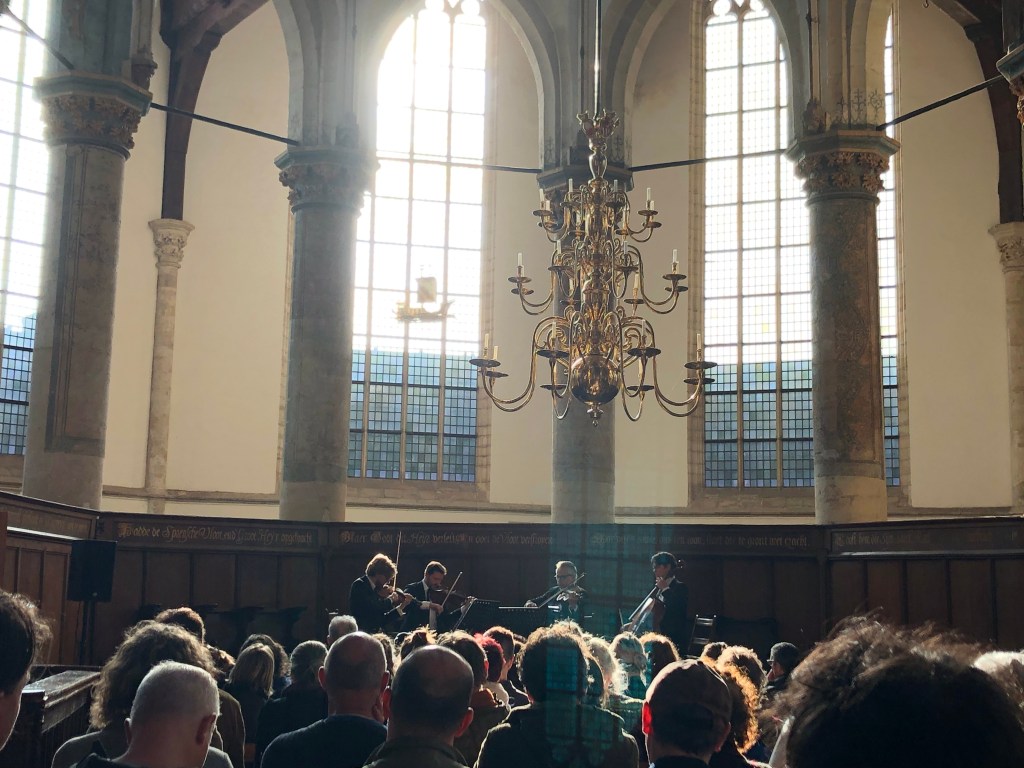

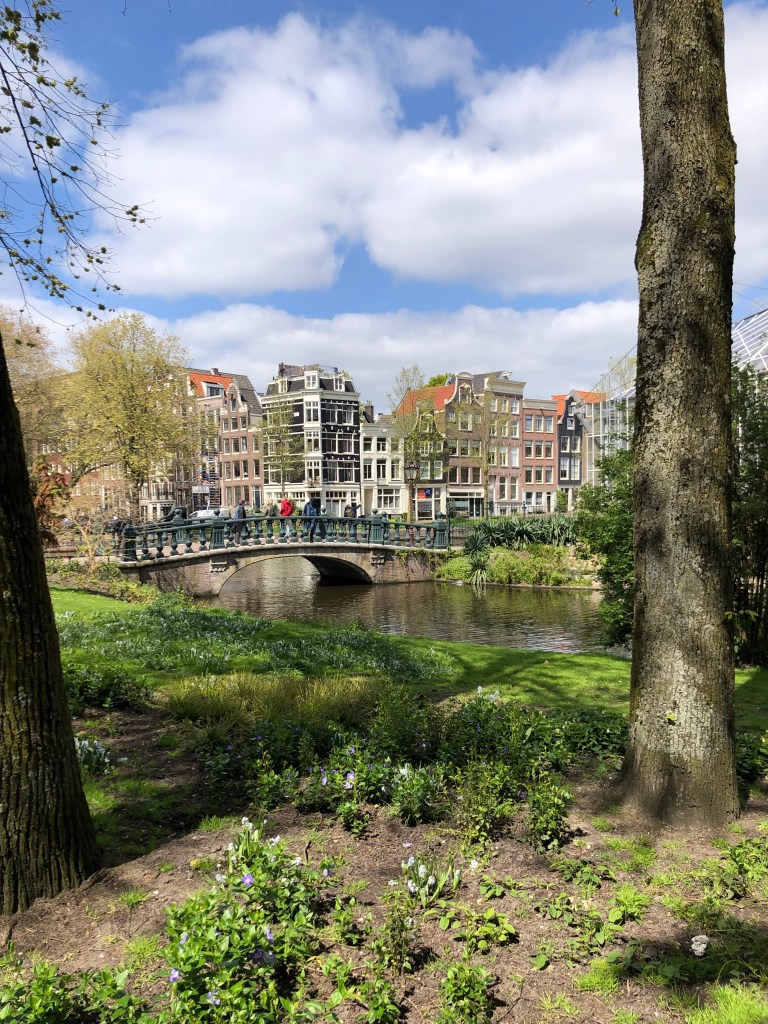
It was the perfect way to end our time in Amsterdam. An hour later, we walked to Centraal Station (via these beautiful canals below) and caught the train to Paris via Brussels ready for new adventures.


 Believing in Me
Leave a comment